
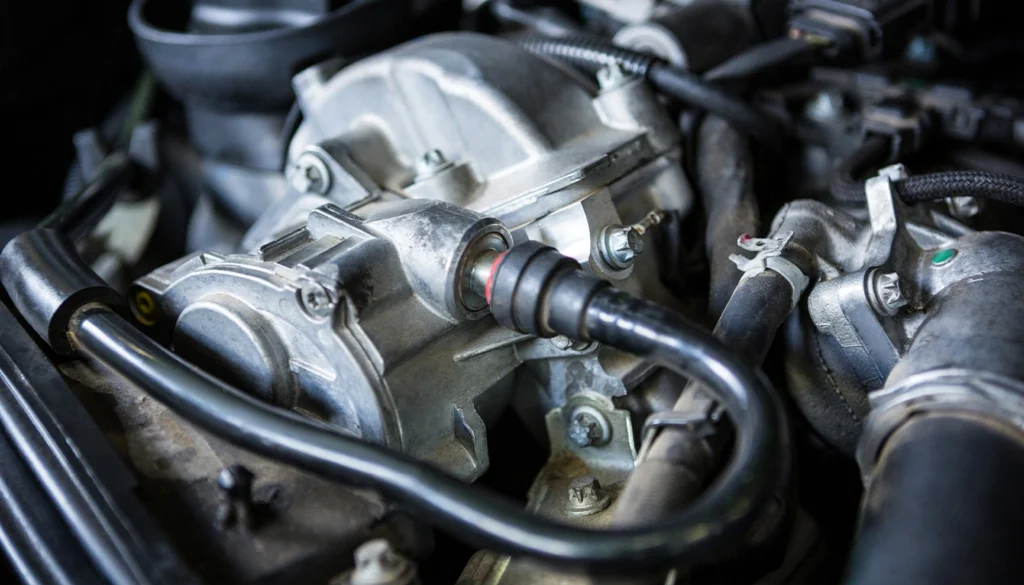
If you are wondering what does a PCV valve do, the short answer is that it controls crankcase ventilation. The positive crankcase ventilation (PCV) valve regulates the movement of blow-by gases from the engine crankcase into the intake system, where the gases can be burned during normal combustion. It adjusts airflow according to engine operating conditions instead of allowing the crankcase to remain continuously open.
For Houston drivers, understanding this small but important component can help when an engine develops rough idling, increased oil consumption, unusual noises, or a check engine light. A PCV problem may involve the valve, hoses, seals, or ventilation passages, so diagnosis should consider the complete system. If you need professional assistance, Auto Repair Houston can help identify engine and ventilation-related concerns.
What Does a PCV Valve Do in an Engine?
A PCV valve controls the flow of crankcase vapors according to engine operating conditions. During combustion, small amounts of gas can pass the piston rings and enter the crankcase. These gases are commonly called blow-by. If they remain trapped, crankcase pressure can increase and contribute to oil and engine-performance concerns.
The PCV system provides a controlled path for these gases to travel back into the intake system. The engine then burns them as part of its normal combustion process. This process helps manage crankcase pressure and prevents ventilation gases from simply accumulating inside the engine.
The valve also limits excessive airflow when intake vacuum is high, such as during idle and deceleration. Uncontrolled airflow could affect the engine’s air-fuel balance. The PCV valve therefore acts as a controlled metering device rather than simply functioning as an open passage.
How Does a PCV Valve Work?
A typical PCV valve responds to intake manifold vacuum. When the vacuum is relatively high, the valve restricts airflow. As engine load increases and intake vacuum changes, the valve allows more crankcase ventilation. This variable flow helps the system provide appropriate ventilation across different driving conditions.
What Is Crankcase Ventilation?
Crankcase ventilation is the process of removing unwanted gases and vapors from the engine crankcase. The PCV system directs these gases into the intake system so they can be burned instead of remaining inside the crankcase.
The system generally includes the PCV valve, hoses, passages, and related components. Depending on the vehicle, some of these components may be incorporated into the valve cover or another engine assembly.
Why Is the PCV System Important?
A properly functioning PCV system helps control crankcase pressure and supports normal engine operation. It also helps prevent crankcase gases from accumulating where they can contribute to contamination and pressure-related problems.
The specific design differs between engines, so the correct PCV component and service procedure depend on the vehicle’s make, model, engine, and manufacturer specifications.
What Are the Common PCV Valve Symptoms?
PCV valve symptoms can vary depending on whether the valve is stuck open, stuck closed, restricted, or affected by another problem in the ventilation system. Common signs can include rough idling, unusual vacuum noises, increased oil consumption, oil leaks, reduced performance, poor fuel economy, or an illuminated check engine light.
These symptoms do not automatically confirm a bad PCV valve. Vacuum leaks, ignition problems, fuel-system issues, worn engine components, and damaged hoses can produce similar symptoms.
Rough or Unstable Idle
A PCV valve that allows excessive airflow can create a vacuum-related imbalance, which may affect idle quality. You may notice the engine running unevenly, shaking slightly, or having difficulty maintaining a stable idle.
Increased Oil Consumption
A malfunctioning ventilation system can contribute to abnormal oil movement or consumption in some engines. If you are repeatedly adding oil between scheduled services, the PCV system may be one of several components worth checking.
Oil Leaks or Pressure-Related Symptoms
A restricted PCV system can interfere with normal crankcase pressure management. Depending on the engine’s condition and design, abnormal pressure may contribute to oil seepage around seals or gaskets.
Check Engine Light
A PCV-related fault can sometimes trigger diagnostic trouble codes or affect air-fuel measurements. However, a check engine light can have many causes, so scanning the vehicle and performing appropriate diagnostic tests is more reliable than replacing the valve based only on the warning light.
What Causes a PCV Valve to Fail?
Several conditions can affect PCV operation. Understanding the cause is important because replacing the valve alone may not resolve the underlying problem.
Oil Deposits and Sludge
Oil vapors and deposits can accumulate inside ventilation components. Over time, contamination may restrict the valve or passages and prevent proper airflow.
If an engine has heavy deposits, a technician may need to inspect more than the valve itself. The associated hoses and passages can also require attention.
Cracked, Blocked, or Disconnected Hoses
A PCV hose that is cracked, hardened, disconnected, or restricted can interfere with crankcase ventilation. A damaged hose can also introduce an unintended vacuum leak.
Routine engine maintenance is equally important. When your vehicle is due for lubrication service, an oil change in Houston TX can help maintain proper engine lubrication. Always use the oil grade and service interval recommended for your specific vehicle.
Incorrect Replacement Components
PCV valves are not universal. Different engines require components with specific flow characteristics. Installing an incorrect valve can cause improper ventilation even if the replacement part appears physically similar.
Where Is the PCV Valve Located?
The PCV valve location varies by vehicle. On many engines, it is connected to or installed near the valve cover and attached to a hose leading toward the intake system. Some newer engines use an integrated crankcase ventilation system rather than a traditional standalone valve.
Because designs differ significantly, checking the owner’s manual or manufacturer service information is the safest way to identify the correct component. A technician can also trace the ventilation hoses and inspect the associated components during diagnosis.
How Is a Bad PCV Valve Diagnosed?
A technician should evaluate the complete ventilation system instead of relying on a single quick test. The diagnostic process may include:
- Reviewing the symptoms: The technician identifies when rough idle, oil consumption, noises, or warning lights occur.
- Inspecting the PCV components: The valve, hoses, fittings, passages, and related components are checked for damage or contamination.
- Checking for vacuum leaks: Leaks can mimic PCV problems and need to be ruled out.
- Testing ventilation flow: The appropriate test depends on the vehicle’s design and manufacturer procedure.
- Scanning for diagnostic codes: Relevant codes can provide additional information about engine operation.
- Checking related engine conditions: Oil contamination, pressure concerns, and other engine faults may need evaluation.
- Verifying the repair: Engine operation should be checked again after the identified problem is corrected.
This approach helps prevent unnecessary PCV valve replacement when another component is actually responsible for the symptoms.
Why Houston Drivers Should Pay Attention to PCV Problems
Houston driving can involve frequent stop-and-go traffic, extended periods of idling, short trips, and high ambient temperatures. These conditions do not automatically cause PCV failure, but they can make regular vehicle maintenance and attention to changing engine behavior especially important.
A driver who notices a new rough idle, unusual oil consumption, vacuum noise, or check engine light should not assume that the PCV valve is the only possible cause. A complete inspection can help determine whether the issue involves the ventilation system or another engine component.
If suspension symptoms are also present, they should be diagnosed separately because engine ventilation and suspension systems perform different functions. For example, shocks and struts repair near me may be appropriate when an inspection identifies a separate suspension concern.
How Can You Maintain a PCV System?
There is no universal replacement interval for every PCV valve. Some manufacturers specify inspection or replacement at particular service intervals, while other vehicles incorporate crankcase ventilation into a larger assembly.
Follow the Manufacturer’s Maintenance Schedule
Use the maintenance schedule designed for your vehicle. Pay attention to recommended oil changes, inspections, and replacement intervals for engine ventilation components.
Watch for Changes in Engine Behavior
Do not ignore persistent rough idling, unexplained oil consumption, unusual vacuum sounds, or a check engine light. Early diagnosis can help distinguish a PCV issue from other engine problems.
Inspect Related Components
When a PCV valve is suspected, inspect the hoses, passages, seals, and connected components as well. Replacing only the valve may not solve the problem if another part of the ventilation system is damaged or restricted.
Book Your Auto Service
Should You Replace a PCV Valve Yourself?
PCV replacement can be relatively simple on some vehicles, but it can be more involved on others. Some engines place the component in an accessible location, while others integrate crankcase ventilation into a valve cover or oil-separator assembly.
Before attempting PCV valve replacement, confirm the correct component, location, hose routing, replacement procedure, and any required seals. If the valve is difficult to access or integrated into another assembly, professional diagnosis may be the more practical option.
A new valve should also be tested in the context of the entire ventilation system. A cracked hose, restricted passage, or separate vacuum leak can continue causing symptoms even after a new valve is installed.
When Should You Have the PCV System Inspected?
Have the PCV system inspected when several related symptoms appear together, particularly rough idle, unusual oil consumption, unexplained oil seepage, vacuum noises, or a check engine light.
A technician can determine whether the problem involves the valve, hoses, intake system, oil separator, valve cover, or another engine component. Vehicle-specific testing is important because modern crankcase ventilation systems can differ substantially from one engine to another.
For European vehicles, maintenance specifications can also differ from other vehicle designs. If your vehicle is due for specialized oil service, european oil change near me can help you find the appropriate maintenance option.
Keep Your Engine Running Smoothly With a Healthy PCV System
So, what does a PCV valve do? It regulates crankcase ventilation by controlling the movement of blow-by gases from the crankcase toward the intake system. By managing this airflow, the PCV system helps control crankcase pressure and supports normal engine operation.
A failing PCV valve can contribute to rough idle, unusual oil consumption, vacuum-related symptoms, or other drivability concerns. However, these symptoms can have several causes, which is why a complete inspection of the valve, hoses, passages, and related engine components is important.
For Houston drivers, following the manufacturer’s maintenance schedule and responding to new engine symptoms can help identify problems before they become more complicated. When professional inspection or maintenance is needed, Eric’s Car Care can help diagnose the concern and recommend the appropriate service.
Schedule Your Service
Key Takeaways
- A PCV valve regulates crankcase ventilation.
- It controls the movement of blow-by gases toward the engine’s intake system.
- The valve adjusts airflow based on engine operating conditions.
- Common PCV valve symptoms include rough idle, unusual noises, oil consumption, and a check engine light.
- A bad PCV valve is not the only possible cause of these symptoms.
- PCV hoses, passages, seals, and related components should be inspected when diagnosing a ventilation problem.
- PCV valve replacement should use the component specified for the vehicle’s engine.
- Houston drivers should follow the manufacturer’s maintenance schedule and address persistent engine symptoms promptly.