
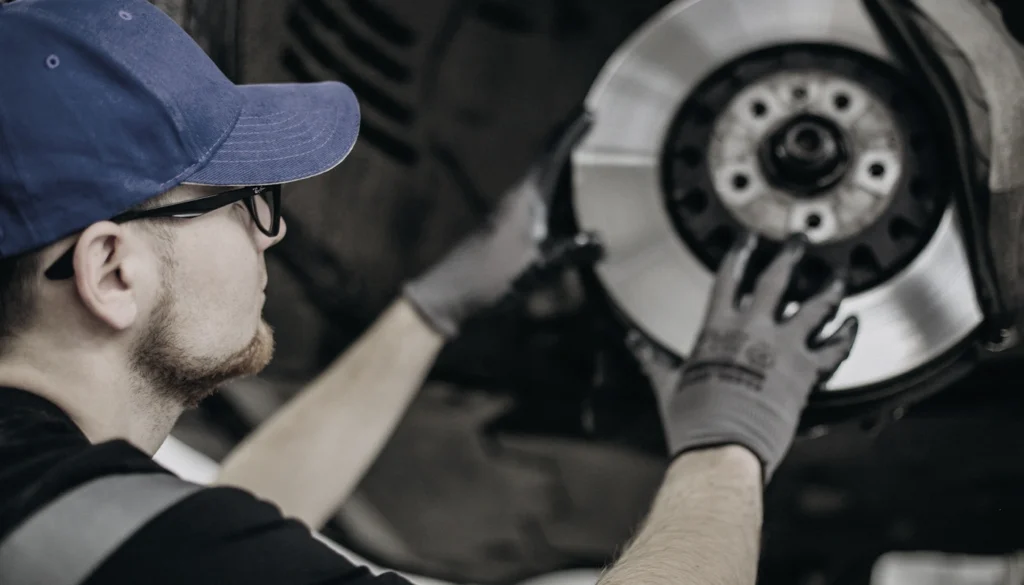
A wheel bearing noise often sounds like humming, growling, rumbling, or droning that becomes more noticeable as your vehicle gains speed. A worn wheel bearing is a common cause, but similar sounds can come from tires, brakes, or other rotating components. The best way to identify the source is to pay attention to when the sound changes and have the vehicle professionally inspected.
For Houston drivers, unusual vehicle noises can be difficult to ignore during daily commutes, highway driving, and stop-and-go traffic. A sound that starts as a mild hum can become more noticeable over time, especially at higher speeds. If you hear a persistent noise from one area of your vehicle, professional Auto Repair Houston can help determine whether the issue involves a wheel bearing or another component.
What Is a Wheel Bearing?
A wheel bearing is a precision component that allows a vehicle’s wheels to rotate smoothly while supporting the weight and forces placed on the wheel assembly. When a bearing becomes worn or damaged, it can contribute to unusual noise, vibration, and changes in driving performance.
Wheel bearings reduce friction between rotating components within the wheel assembly. Depending on the vehicle, the bearing may be incorporated into a hub assembly or installed as a separate component.
Every time you drive, wheel bearings experience continuous rotation and changing loads. Turning, braking, accelerating, road conditions, and vehicle weight all place forces on the wheel and hub assembly.
Over time, the internal components of a bearing can wear or become damaged. Once the bearing no longer operates smoothly, you may begin to notice a sound that changes with vehicle speed. Because other components can create similar noises, identifying the exact source requires more than simply listening for where the sound seems to originate.
What Does a Bad Wheel Bearing Sound Like?
A bad wheel bearing noise commonly sounds like a hum, growl, rumble, drone, or rough whirring sound. The noise often becomes louder or changes in pitch as vehicle speed increases, although the exact sound can vary depending on the vehicle and the condition of the bearing.
A bad wheel bearing noise does not always sound exactly the same. Some drivers notice a low humming sound, while others describe a rough growling or rumbling coming from the front or rear of the vehicle.
Humming or Droning
A wheel bearing humming noise may become more noticeable as you accelerate. It can sometimes sound similar to tire noise, especially when driving over certain road surfaces.
Growling or Rumbling
As internal bearing surfaces wear, the noise may become rougher. A growling or rumbling sound that consistently increases with road speed should be inspected rather than ignored.
Grinding
A wheel bearing grinding noise may indicate significant mechanical wear or another problem involving the wheel assembly. However, grinding can also come from brakes or other components, so the source should be properly diagnosed before a repair is recommended.
Noise That Changes While Turning
In some cases, bearing noise becomes louder or quieter when the vehicle turns because turning changes the load placed on the wheel assembly.
This can provide a useful diagnostic clue, but it does not always identify which bearing is affected. Sound and vibration can travel through surrounding components, making the apparent location misleading.
What Causes Wheel Bearing Noise?
Wheel bearing noise can develop when internal components wear, lubrication becomes compromised, contamination enters the assembly, or the bearing suffers physical damage. Road impacts, heavy loads, and installation-related problems can also contribute to premature wear.
Normal Wear
Wheel bearings are exposed to constant rotational forces. Over time, internal components can gradually wear from normal vehicle use. Service life varies depending on the vehicle, driving conditions, mileage, maintenance, and overall use.
Water and Contamination
Wheel bearings use protective seals to help keep contaminants away from internal components. If those seals become damaged, moisture, dirt, or other contaminants can affect the bearing and contribute to wear.
Road Impacts
Houston drivers regularly encounter uneven pavement, potholes, and road impacts. A significant impact can place additional stress on wheels, tires, suspension components, and wheel bearings.
Not every noise following a pothole is caused by a bearing. However, if a new noise, vibration, or handling change develops after an impact, having the vehicle inspected can help identify the problem.
Excessive Vehicle Loads
Repeatedly carrying heavy loads can increase stress on wheel assemblies and other components. Vehicles should be operated within the load limits specified by the manufacturer.
Installation or Related Component Problems
Problems involving the hub, axle, suspension, or installation of a wheel bearing can contribute to noise or premature wear. Proper installation and manufacturer-specified procedures are important when replacing wheel-related components.
What Are the Most Common Bad Wheel Bearing Signs?
Bad wheel bearing symptoms may include humming, growling, vibration, unusual wheel movement, and changes in handling. Because tire, brake, suspension, and drivetrain problems can produce similar symptoms, professional inspection is important for determining the actual cause.
Common symptoms include:
- Humming or growling that increases with speed
- Rumbling from the front or rear of the vehicle
- Noise that changes while turning
- Vibration felt through the vehicle
- A rough or unusual driving sensation
- Excessive movement in the wheel assembly
- Changes in handling
A worn bearing can sometimes cause wheel bearing vibration, but vibration may also result from tire imbalance, tire damage, brake problems, or suspension issues.
The location of the vibration can also be misleading. A driver may feel vibration through the steering wheel even when the source is not immediately obvious. This is another reason to have multiple possible causes evaluated rather than assuming the bearing is automatically responsible.
Can Tire Noise Sound Like a Bad Wheel Bearing?
Yes. Tire noise can sound very similar to wheel bearing noise. Uneven tread wear, cupped tires, damaged tires, and certain tread patterns can create humming, roaring, or droning sounds that become louder as vehicle speed increases.
This similarity makes diagnosis important. Replacing a wheel bearing without confirming the source of the noise may not resolve the problem if the actual cause is tire-related.
During an inspection, a technician may evaluate:
- Tire tread condition
- Uneven or cupped tire wear
- Tire pressure
- Wheel condition
- Brake components
- Suspension components
- Wheel bearings and hub assemblies
If you’re hearing a persistent hum and searching for Auto Repair near me, choose a repair shop that can inspect the complete wheel and suspension system instead of focusing on one possible cause.
Does Wheel Bearing Noise Get Louder With Speed?
Wheel bearing noise often becomes more noticeable as vehicle speed increases because the bearing rotates faster. A sound that changes with road speed can be an important diagnostic clue, although tires and other rotating components can produce similar speed-related noises.
Pay attention to whether the noise:
- Starts at a particular speed.
- Gets louder as you accelerate.
- Changes when you turn.
- Remains present while coasting.
- Changes depending on the road surface.
These details can help a technician reproduce the concern during a road test.
For example, a noise that changes significantly between different road surfaces may point toward tire-related noise. A sound that consistently follows vehicle speed may indicate a rotating component, but further testing is still needed to determine the source.
Is It Safe to Drive With Wheel Bearing Noise?
A persistent wheel bearing noise should not be ignored. The seriousness depends on the condition of the bearing and the underlying cause, but continued driving can allow mechanical wear to progress and may affect other components.
A mild humming sound does not necessarily mean a bearing will fail immediately. However, sound alone cannot determine how much wear has occurred.
If the noise becomes louder or is accompanied by strong vibration, unusual wheel movement, pulling, or changes in handling, arrange an inspection promptly.
Do not attempt to diagnose a wheel bearing by placing your hands near a moving wheel or by performing repairs without the appropriate tools and equipment. Wheel and suspension components are important to safe vehicle operation.
How Do Technicians Diagnose Wheel Bearing Noise?
Diagnosing wheel bearing noise involves identifying when the sound occurs and inspecting the wheel, tire, brake, suspension, hub, and bearing components. The goal is to confirm the source of the noise before recommending a specific repair.
A Typical Inspection May Include
- Road testing the vehicle to determine when the noise occurs.
- Listening for changes with speed and turning.
- Inspecting the tires for uneven wear, damage, or cupping.
- Checking the wheel assembly for abnormal movement or roughness.
- Inspecting brake repair Houston, TX and suspension components can help rule out other potential causes of the noise.
- Evaluating the hub and bearing assembly using appropriate diagnostic methods.
- Confirming the affected component before recommending replacement.
A thorough inspection matters because wheel bearing noise can resemble tire, brake, suspension, and drivetrain noises. A technician may need to evaluate several components before confirming the source.
What Happens During Wheel Bearing Replacement?
Wheel bearing replacement involves removing the affected bearing or hub assembly and installing the appropriate replacement component according to the vehicle’s design and service requirements. The exact procedure varies between vehicles.
Some vehicles use a complete hub assembly that incorporates the wheel bearing, while others require the bearing to be removed and replaced separately.
Depending on the vehicle, the repair may involve removing the wheel, brake components, axle-related components, or portions of the hub and suspension assembly.
After the repair, related components may also be inspected for damage or wear. Proper installation is important because the bearing operates within a system of interconnected wheel and suspension components.
Wheel Bearing Noise Checklist for Houston Drivers
If you notice a new humming, growling, or rumbling sound, use this checklist before your inspection:
- Notice when the noise occurs. Record whether it starts at low speeds or highway speeds.
- Pay attention to turns. Note whether the sound changes during gentle turns.
- Listen for changes with acceleration. Determine whether the noise follows vehicle speed.
- Check for vibration. Notice whether vibration is felt through the steering wheel or vehicle.
- Look at tire condition. Uneven or damaged tires can create similar noises.
- Consider recent impacts. Remember whether the noise appeared after hitting a pothole or curb.
- Avoid guessing the failed part. Several components can produce similar sounds.
- Schedule a professional inspection. Accurate diagnosis can help identify the actual source.
Keeping track of when the sound appears can help a technician reproduce the problem and narrow down potential causes.
How Can You Help Prevent Wheel Bearing Problems?
Regular vehicle inspections can help identify worn tires, damaged suspension components, and other issues affecting the wheel assembly.
Normal bearing wear cannot always be prevented, but drivers can help protect their vehicles by addressing unusual noises promptly and avoiding severe road impacts when possible.
After hitting a significant pothole or curb, consider having the vehicle inspected if you notice vibration, pulling, new noises, or changes in handling.
Routine tire maintenance is also important. Proper tire pressure, regular inspections, and attention to uneven tread wear can help identify problems that may otherwise be mistaken for wheel bearing issues.
Keep Your Wheels Running Smoothly With Professional Care
Regular vehicle inspections can help identify unusual noises and potential wheel or suspension problems before they become more disruptive. Paying attention to humming, growling, vibration, and changes in handling can help you address concerns before they worsen.
If your vehicle is making persistent wheel bearing noise or you’re experiencing vibration, rough driving, or unusual sounds while turning, Eric’s Car Care can inspect your wheel and suspension system and help determine what service your vehicle needs. Professional diagnostics can help identify whether the issue involves a wheel bearing, tire, brake, or another component.
Key Takeaways
- Wheel bearing noise commonly sounds like humming, growling, rumbling, or droning.
- The noise often becomes more noticeable as vehicle speed increases.
- A bad wheel bearing may also cause vibration, roughness, or changes in handling.
- Noise that changes while turning can provide a diagnostic clue but does not always identify the affected bearing.
- Tire, brake, suspension, and drivetrain problems can produce sounds similar to a bad wheel bearing.
- A persistent or worsening noise should be professionally inspected.
- Accurate diagnosis helps identify the actual source before wheel bearing replacement or another repair is recommended.
- Addressing unusual sounds early can help you maintain smoother and more reliable vehicle performance.