
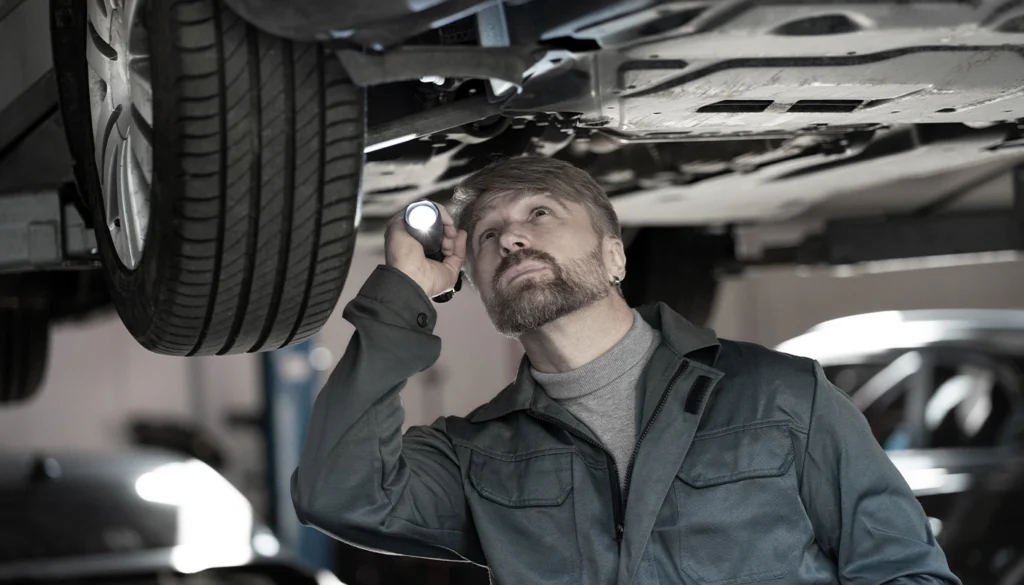
A bad wheel bearing should not be treated as a problem you can safely drive with for a set number of miles. If the bearing is confirmed to be failing, the safest choice is to have it inspected and repaired as soon as possible. A worn bearing can worsen unpredictably and affect wheel-end performance, handling, and nearby components.
For Houston drivers, daily driving can involve highways, stop-and-go traffic, rough pavement, and long distances. If you notice humming, growling, grinding, vibration, or looseness around a wheel, arrange an inspection rather than assuming the vehicle can make it through another week. Professional Auto Repair Houston can help identify whether the problem is the bearing or another wheel-end component.
What Is a Wheel Bearing?
A wheel bearing is a precision component that allows a wheel and hub assembly to rotate smoothly with reduced friction. When a bearing wears, its internal surfaces can develop excessive play or friction. That wear may create noise and vibration that become more noticeable with speed. Because tires, brakes, and suspension parts can create similar symptoms, proper diagnosis is important.
How Long Can You Drive on a Bad Wheel Bearing?
There is no reliable mileage or time limit for driving on a bad wheel bearing. One worn bearing may produce noise for some time, while another can deteriorate much faster. You cannot determine its remaining safe life from sound alone.
If a bearing has been diagnosed as bad, avoid unnecessary driving and arrange service promptly. If you must move the vehicle a very short distance to a repair facility, drive slowly and carefully only if the vehicle remains stable and controllable. Do not use a highway trip or long commute to test how much longer it will last.
Can You Drive With a Bad Wheel Bearing?
A vehicle with a suspected or confirmed bad wheel bearing should be driven only as necessary to reach a safe place or repair facility, and only when its condition allows safe control. Loud grinding, severe vibration, noticeable wheel looseness, steering changes, or rapidly worsening symptoms are reasons to stop driving and arrange towing.
What Are the Signs of a Bad Wheel Bearing?
Bad wheel bearing symptoms often involve unusual sounds, vibration, or changes in how the vehicle feels.
Humming, Growling, or Grinding Noise
A worn bearing may create humming, growling, rumbling, or grinding that changes with vehicle speed or turns.
Vibration or Wheel Wobble
A damaged bearing can contribute to vibration or looseness at a wheel. However, tire imbalance, a damaged tire, bent wheel, or suspension problem can feel similar. A technician should identify the actual source before replacing parts.
Steering Changes or Uneven Wear
If the vehicle develops unusual tire wear, wandering, steering changes, or a feeling that one corner is unstable, have the wheel, tire, suspension, and bearing inspected together. Brake problems can also create vibration and noise, so a brake repair near me inspection may be appropriate when braking changes the symptom.
What Causes Wheel Bearings to Go Bad?
Wheel bearings can wear through normal use, but their service life varies by vehicle design, mileage, road conditions, load, and maintenance history.
Road Damage and Potholes
Potholes and hard impacts can place additional stress on wheel and suspension components. Houston drivers should pay attention to new noises after a significant impact.
Water, Dirt, and Contamination
Wheel-end components operate around moisture, road debris, and contaminants. Damaged seals can allow contamination into a bearing assembly and potentially accelerate wear.
Is a Bad Wheel Bearing Dangerous?
A bad wheel bearing deserves prompt attention because its condition can worsen and may affect the wheel-end assembly. The degree of risk depends on the severity of the damage, so a physical inspection is more useful than estimating remaining mileage.
Texas DPS inspection criteria for commercial vehicles address wheel assemblies and identify damaged or ineffective wheel components as conditions affecting safe operation.
What Happens If You Keep Driving on a Bad Wheel Bearing?
Continuing to drive can allow underlying wear to progress. As a bearing deteriorates, noise or vibration may become more pronounced, and additional wheel-end components may be affected depending on the vehicle and failure.
A damaged bearing may generate additional friction and heat. A bearing is also part of a larger wheel-end system, so excessive play or damage can place additional stress on related components such as the hub, axle, brake assembly, or wheel.
Early diagnosis can help identify the problem before secondary damage develops. Not every noisy bearing will cause extensive damage, but delaying inspection makes its condition harder to assess.
How Can You Tell If a Wheel Bearing Needs Immediate Attention?
A professional inspection can help determine whether the vehicle should be driven or towed. Treat these warning signs seriously:
- The grinding or growling noise suddenly becomes louder.
- The steering feels loose, unstable, or different.
- You feel a strong vibration through the steering wheel, floor, or seat.
- A wheel appears to have abnormal movement or looseness.
- The vehicle pulls, wanders, or behaves differently during turns.
- The problem started or worsened after a major pothole or impact.
- You notice unusual heat, smell, or other wheel-end symptoms.
If symptoms are severe or rapidly worsening, stop safely and arrange professional assistance rather than continuing a long drive.
What Should You Do When You Suspect a Bad Wheel Bearing?
Start with a professional inspection instead of diagnosing the bearing from sound alone.
1. Limit Driving
Avoid unnecessary trips, highway speeds, towing, or heavy loads until the wheel-end condition has been evaluated.
2. Note the Symptoms
Record when the noise occurs, whether it changes with speed or turning, and whether vibration or steering changes accompany it. This information can help a technician narrow down the problem.
3. Check Related Components
The bearing should be inspected along with the tire, wheel, brakes, suspension, and hub because several problems can create similar symptoms.
4. Check for Recalls
A recall is different from ordinary bearing wear, but checking your VIN can identify unresolved safety recalls involving your vehicle or equipment.
5. Repair Before Normal Driving
Once the cause is confirmed, repair or replace the affected component according to the vehicle manufacturer’s specifications. If you are unsure whether the vehicle is safe to drive, have it evaluated before returning to normal commuting.
Schedule Your Wheel Inspection
What Should Houston Drivers Know About Wheel Bearing Problems?
Houston driving can involve highways, stop-and-go traffic, construction zones, and uneven pavement, which can put additional stress on wheel bearings and other wheel-end components. If you notice new or unusual symptoms such as humming, grinding, vibration, or uneven tire wear, have the vehicle inspected promptly to help prevent further damage.
When Should You Replace a Bad Wheel Bearing?
A confirmed failed wheel bearing should be repaired promptly rather than monitored indefinitely. There is no universal mileage interval that tells you how long a failing bearing will remain usable.
The appropriate repair depends on the vehicle’s design and inspection findings. A proper diagnosis helps prevent replacing the wrong part and ensures related components are checked. If you need professional assistance, searching for Auto Repair near me can help you find a nearby service provider for inspection and repairs.
Practical Wheel Bearing Checklist
Before driving normally again, confirm that the bearing and hub have been inspected, related tire, wheel, brake, and suspension components have been checked, and any confirmed defect has been repaired. If vibration, grinding, looseness, or steering changes remain, avoid assuming the vehicle is ready for a long trip.
Protect Your Ride With Expert Service
So, how long can you drive on a bad wheel bearing? There is no dependable number of miles, days, or weeks. The safest approach is to treat a confirmed bad bearing as a repair that needs prompt attention. A quiet or mildly noisy bearing can still deteriorate, while a severe problem can affect wheel-end performance.
Houston drivers should pay attention to humming, growling, grinding, vibration, looseness, steering changes, and symptoms that worsen with speed or turning. If the condition is severe or changing quickly, do not risk a long commute or highway trip. Have the vehicle inspected and determine whether repair or towing is appropriate.
For maintenance and diagnosis, Eric’s Car Care can help you address wheel bearing concerns before they interfere with everyday driving.
Book Your Repair Today
Key Takeaways
- There is no fixed mileage or time limit for driving on a bad wheel bearing.
- A confirmed failing bearing should be inspected and repaired promptly.
- Humming, growling, grinding, vibration, looseness, and steering changes can indicate a wheel-end problem.
- Tires, brakes, suspension, and wheels can produce similar symptoms, so professional diagnosis matters.
- Avoid unnecessary highway driving, heavy loads, and long trips when a bearing is suspected to be failing.
- Severe or rapidly worsening symptoms may justify stopping and arranging a tow.
- Houston drivers should pay attention to problems that appear after potholes, impacts, or changes in road conditions.