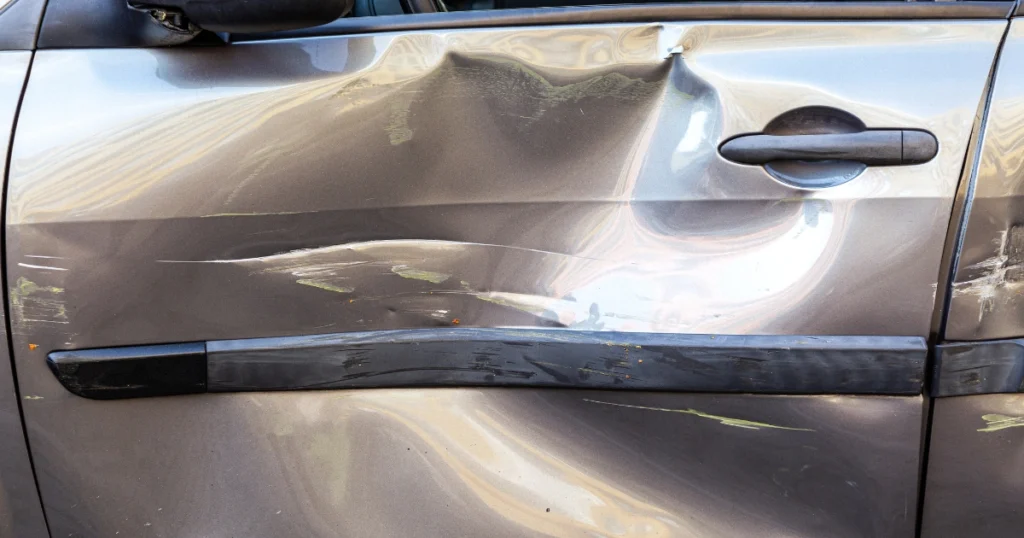
A dent can make an otherwise well-maintained car look worn out, but not every dent requires an expensive repair. If the damage is small, shallow, and does not have major paint damage, there are a few methods you can try at home. The right approach depends on the dent’s size, depth, location, and the condition of the surrounding panel.
Before attempting a DIY repair, it is important to understand what you are dealing with. A simple dent may respond to suction or gentle pressure, while a sharp crease or collision-related damage may require professional tools and experience. If you need professional assistance, auto repair Houston services can help determine the right approach for your vehicle.
Different Types of Car Dents
Car dents can vary in shape, depth, and severity. Identifying the type of dent can help you understand whether a simple DIY method may work or if professional repair is needed.
- Door Dings: Small, shallow dents commonly caused by another car door, shopping cart, or similar object. They often leave the paint intact and may be easier to repair.
- Creased Dents: These dents have a noticeable line or fold across the damaged panel. Their sharp shape can make them more difficult to remove using basic DIY methods.
- Round Dents: Smooth, bowl-shaped dents can result from minor impacts, objects striking the vehicle, or hail. Some shallow round dents may respond to suction or gentle pressure.
- Hail Dents: Hail can leave multiple small dents across areas such as the hood, roof, and trunk. When several dents are present, professional repair may be more practical.
- Sharp Dents: These dents have defined edges where the body panel has been pushed inward. Because the metal may be stretched or folded, they can require specialized repair techniques.
What Causes Car Dents?
Car dents can happen from everyday situations, unexpected impacts, and weather-related events. Some may be minor and purely cosmetic, while others can affect the paint or the body panel. Car dents can happen for many reasons, including:
- Minor parking lot impacts.
- Shopping carts or other objects hitting the vehicle.
- Small accidents or fender-benders.
- Hail and severe weather.
- Doors striking another vehicle.
- Debris hitting the body panel.
How to Pull a Dent Out of a Car
The best way to remove a dent depends on its size, depth, location, and the condition of the paint. Before trying a DIY method, inspect the damaged area carefully to avoid making the damage worse.
For minor dents, you may be able to improve the panel’s appearance with simple tools. If you are unsure about the damage or need professional assistance, searching for auto repair near me can help you find a repair service. For a small, shallow dent, you may be able to improve its appearance with one of the following methods.
1. Try a Plunger
A clean cup-style plunger can sometimes create enough suction to pull a shallow dent outward. Start by cleaning the area around the dent. Slightly wet the surface, place the plunger over the center of the dent, and press firmly to create a seal. Pull the plunger toward you with controlled pressure and check the panel after each attempt. This method works best for smooth, shallow dents without sharp creases.
2. Use a Dent Puller
A dent puller or suction dent removal tool is designed specifically for pulling body panels outward. Follow the instructions for the tool you purchase and work slowly rather than applying excessive force. The goal is to gradually restore the panel instead of creating a new high spot around the original dent.
3. Apply Controlled Heat
Heat can make certain plastic body panels more flexible, which may help with some minor dents. A hair dryer can be used to warm the affected area before gently pushing the dent back into position from behind when access is possible.
Avoid excessive heat, particularly around painted surfaces, trim, lights, and other components. If you are unsure how the material will react, professional repair is a safer option.
4. Consider a Dent Repair Kit
Commercial dent repair kits may include suction cups, pulling tabs, glue, or other tools designed for minor body damage. These kits can be useful when the dent is relatively small and accessible.
Always follow the product instructions carefully. Using too much force or pulling unevenly can make the panel harder to repair.
When DIY Dent Removal May Not Work
Not every dent is a good candidate for a home repair. You should consider professional inspection when:
- The dent has a sharp crease.
- The paint is cracked, chipped, or peeling.
- The panel is badly bent or misaligned.
- The dent is located near an edge or structural area.
- Multiple panels were damaged.
- The vehicle was involved in a collision.
- You notice problems with doors, lights, bumpers, or other components.
Collision damage can extend beyond what you can see. Eric’s Car Care notes that collisions can result in issues involving frames, suspension, sensors, and other components, which is why a thorough assessment can be important after an impact.
Can You Fix a Dent Without Damaging the Paint?
Yes, some shallow dents can be corrected without damaging the paint, especially when the paint surface is still intact. However, the method you use matters.
Aggressive pulling, excessive heat, or using an unsuitable tool can cause additional damage. If the paint has already cracked or the metal has been stretched, simply pulling the dent outward may not restore the panel properly.
When to Choose Professional Dent Repair
A professional repair is worth considering when the dent is deep, creased, difficult to access, or accompanied by paint damage. If you are searching for an auto shop near me, a professional technician can assess the damage and determine whether the panel can be repaired or requires additional bodywork.
Eric’s Car Care offers dent and scratch repair as part of its collision repair services. Its collision repair process also includes comprehensive damage assessment, panel repair, paint matching, and structural repairs when needed.
Professional Dent Repair at Eric’s Car Care
When a dent is too deep, sharply creased, or accompanied by paint damage, professional repair can help restore your vehicle’s appearance and condition. Eric’s Car Care provides collision repair services, including dent and scratch repair, paint matching, and other bodywork based on the extent of the damage.
If your vehicle has a dent from a collision or another impact, having the damage properly assessed can help identify repairs that may not be visible at first glance. A professional inspection can determine the right repair approach and help restore your vehicle safely and effectively.