
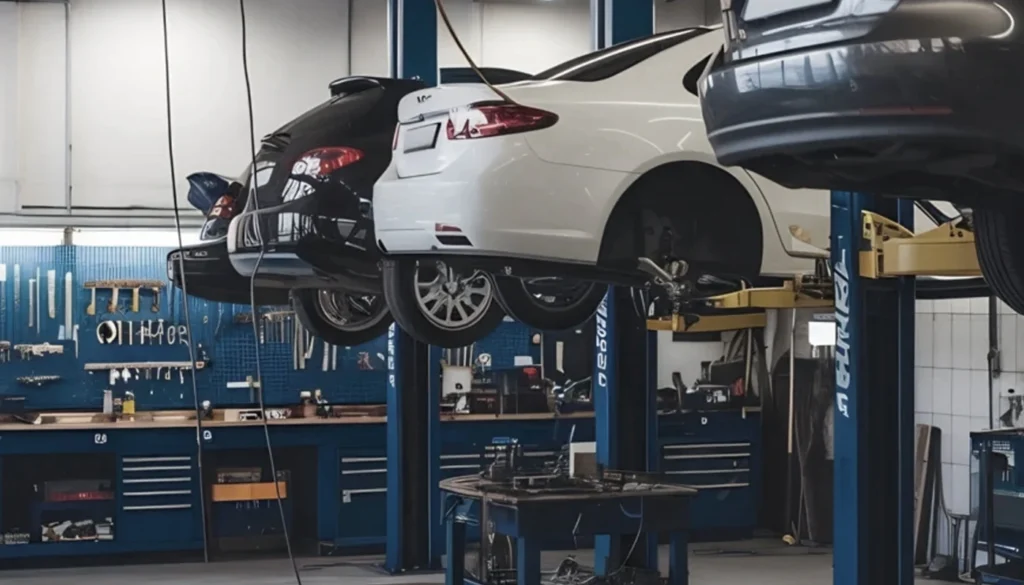
If you want to know how to improve car performance, start with maintenance before spending money on expensive upgrades. Fresh engine oil, clean filters, properly maintained spark plugs, correct tire pressure, healthy fluids, and a functioning cooling system help your vehicle deliver the performance it was designed to provide. If you want better acceleration or are wondering how to increase horsepower, the first step is making sure the engine and drivetrain are operating properly.
Houston driving can make routine maintenance even more important. Heavy traffic, frequent stops, high summer temperatures, long commutes, and extended air-conditioning use can place additional demands on a vehicle. If your car feels sluggish, hesitates, idles roughly, or uses more fuel than usual, professional diagnosis can help identify the underlying problem. Quality Auto Repair Houston service can also help restore lost performance before you consider aftermarket modifications.
What Are the Best Ways to Improve Car Performance?
The best way to improve car performance is to restore the systems that control power, efficiency, throttle response, and drivability. Begin with scheduled maintenance, investigate changes in vehicle behavior, and consider performance modifications only after the vehicle is operating correctly.
A well-maintained engine needs the right balance of air, fuel, ignition, compression, and temperature control. Problems in any of these areas can reduce performance even when the vehicle appears to run normally.
Follow the Manufacturer’s Maintenance Schedule
Your owner’s manual provides service intervals for important components such as engine oil, filters, spark plugs, coolant, transmission fluid, and other vehicle-specific systems.
Skipping maintenance can allow small problems to become noticeable performance issues. Old engine oil can affect lubrication, a restricted air filter can reduce airflow, and worn spark plugs can contribute to misfires or poor acceleration.
For Houston drivers, a regular Houston car tune up can help identify worn components before they significantly affect drivability. Maintenance should follow the specifications for your specific year, make, model, and engine.
Can an Oil Change Improve Car Performance?
Yes. Using the correct engine oil and replacing it according to the manufacturer’s recommendations supports smooth engine operation. Engine oil lubricates moving components, helps manage heat, and carries contaminants toward the oil filter.
Oil viscosity and specifications matter because engines are designed around particular lubrication requirements. Choosing an oil simply because it is marketed as a performance product does not necessarily improve horsepower. The correct oil for the engine is more important.
Watch for Signs of Oil-Related Problems
Pay attention to a low oil level, unusual engine noise, oil leaks, burning-oil odors, or an oil-pressure warning. These symptoms can indicate a mechanical problem that requires diagnosis rather than simply another oil change.
For drivers who own European vehicles, European car repair Houston services should follow the manufacturer’s required oil specifications, maintenance procedures, and service intervals.
How Does the Air Intake Affect Car Performance?
The engine requires a controlled supply of clean air to produce power efficiently. A clogged air filter, damaged intake duct, vacuum leak, or faulty airflow sensor can interfere with the engine’s air-fuel mixture and reduce throttle response.
Replacing a restricted air filter can restore performance when airflow has been reduced. However, installing a high-flow intake or filter does not automatically produce a significant horsepower increase on every vehicle. The entire intake system is engineered to work with the engine and its electronic controls.
Can Spark Plugs Improve Acceleration and Performance?
Healthy ignition components help the engine burn the air-fuel mixture consistently. Worn spark plugs, failing ignition coils, or electrical problems can cause misfires, hesitation, rough idle, and reduced power.
Replacing spark plugs with the correct type and gap can restore performance when the existing plugs are worn. Performance-branded spark plugs do not automatically add horsepower. The correct component and proper installation are what matter.
If the check-engine light is illuminated, auto repair computer diagnostics can help identify stored diagnostic trouble codes and provide useful information about the vehicle’s electronic systems. A diagnostic scan is only one part of the process. A technician may need additional testing to determine whether a sensor, wiring problem, ignition component, fuel system, or mechanical issue is responsible.
Does Tire Maintenance Affect Car Performance?
Absolutely. Tires connect your vehicle to the road, so their condition affects handling, rolling resistance, acceleration feel, braking, and fuel efficiency.
Correct tire pressure is particularly important. The National Highway Traffic Safety Administration recommends checking tire pressure when tires are cold and using the pressure specified by the vehicle manufacturer rather than the maximum pressure printed on the tire sidewall.
Uneven tire wear can indicate alignment, suspension, or inflation problems. A vibration at highway speed may indicate wheel imbalance, tire damage, or another issue. If your vehicle pulls to one side, the tires, alignment, steering, and suspension should be inspected.
These checks can be especially useful around Houston, where potholes, road construction, traffic congestion, and changing road surfaces can affect tires and wheel alignment.
How Can Cooling System Maintenance Improve Performance?
Engine temperature has a direct relationship with reliable operation. Houston’s hot climate makes cooling-system maintenance particularly important during summer driving. An engine that operates outside its intended temperature range can experience reduced performance and, if overheating continues, potentially serious mechanical damage.
Watch for Overheating Warning Signs
Monitor the temperature gauge and pay attention to coolant loss, steam, unusual odors, or cooling fans that do not appear to operate correctly.
If coolant is repeatedly disappearing, do not simply keep adding more. A technician should determine whether there is a leak, cooling-system failure, or another underlying issue.
Can Better Driving Habits Improve Performance and Fuel Efficiency?
Yes. Smooth acceleration, avoiding unnecessary hard launches, maintaining steady speeds when traffic allows, and removing unnecessary weight can help improve fuel efficiency and make power delivery more consistent.
Stop-and-go Houston traffic can make efficient driving challenging. However, avoiding repeated aggressive acceleration followed by heavy braking can reduce unnecessary fuel consumption and mechanical stress.
A sudden decrease in fuel economy should also be treated as a potential diagnostic clue. Problems involving tires, brakes, ignition, fuel delivery, sensors, or the transmission can sometimes affect efficiency.
Which Car Performance Upgrades Are Worth Considering?
The most useful car performance upgrades depend on your vehicle, driving goals, engine design, and existing condition. Potential modifications can include appropriately engineered intake or exhaust components, suspension improvements, upgraded tires, or vehicle-specific software calibration.
A modification that works well on one vehicle may provide little benefit on another. Poorly matched components can also create drivability problems.
For most daily drivers, restoring lost performance is usually more practical than adding hardware. Correct oil, clean filters, healthy ignition components, proper tire pressure, reliable cooling, and accurate wheel alignment can make a noticeable difference without changing the vehicle’s basic design.
Establish a Diagnostic Baseline First
Before installing performance parts, record fuel economy, idle quality, acceleration behavior, warning lights, fluid consumption, and unusual noises.
This baseline gives you a way to determine whether a modification actually produced a useful improvement. It also helps identify pre-existing mechanical problems that could otherwise be mistaken for performance limitations.
For European vehicles, an European oil change near me service can help ensure the appropriate oil specification and maintenance procedure are used.
What Is the Best Way to Improve Car Performance Step by Step?
Improving performance should follow a logical process rather than starting with aftermarket parts. A systematic approach can help identify lost performance and prevent unnecessary repairs or modifications.
Follow This Practical Performance Checklist
- Check the engine oil: Confirm the level, condition, specification, and service history.
- Inspect the tires: Verify cold tire pressure and check for uneven wear or damage.
- Review maintenance: Check filters, spark plugs, fluids, and other scheduled service items.
- Look for warning lights: Do not ignore a check-engine or temperature warning.
- Evaluate drivability: Note hesitation, rough idle, poor acceleration, vibrations, or unusual noises.
- Check the cooling system: Investigate coolant loss or overheating symptoms.
- Inspect alignment and suspension: Address pulling, instability, or abnormal tire wear.
- Perform diagnostics: Use testing to identify the cause of unexplained performance changes.
- Establish a baseline: Record fuel economy and driving symptoms before modifications.
- Choose upgrades carefully: Match performance parts to the vehicle’s design and intended use.
If your vehicle continues to feel sluggish after routine maintenance,
Schedule a Performance Inspection.
What Should You Do If Your Car Still Feels Sluggish?
If maintenance does not restore performance, systematic diagnosis is the next step. Depending on the symptoms, a technician may evaluate fuel pressure, ignition, airflow, compression, exhaust restrictions, sensors, electronic controls, or transmission operation.
Avoid replacing multiple components based only on a symptom. For example, poor acceleration can result from several unrelated causes, and replacing an air filter will not correct a failing fuel pump or ignition coil.
Pay attention to when the problem occurs. Note whether the vehicle struggles during cold starts, hot weather, acceleration, highway driving, idling, or when the air conditioner is operating. These details can help narrow the diagnostic process.
Improve Car Performance With Smart Maintenance
Learning how to improve car performance starts with maintaining the vehicle according to its design. Correct engine oil, clean filters, healthy ignition components, proper tire pressure, effective cooling, reliable transmission operation, and accurate diagnostics can help restore performance and efficiency.
Houston and Texas drivers should also consider the effects of hot weather, traffic, road conditions, and long commutes on vehicle maintenance. When performance changes noticeably, identify the underlying cause before investing in aftermarket upgrades. For professional maintenance, diagnostics, and repair support, Eric’s Car Care can help evaluate your vehicle and determine the appropriate service.
Book Your Performance Service
Key Takeaways
- Start with routine maintenance before purchasing performance upgrades.
- Use the manufacturer-recommended oil, filters, spark plugs, and fluids.
- Maintain correct tire pressure and inspect tires for wear or damage.
- Diagnose warning lights, hesitation, rough idle, and reduced power instead of guessing at repairs.
- Pay close attention to cooling-system performance during Houston’s hot weather.
- Smooth driving habits can support fuel efficiency and consistent power delivery.
- Choose performance upgrades based on your vehicle’s design and intended use.
- Establish a baseline before modifying a daily-driven vehicle.