
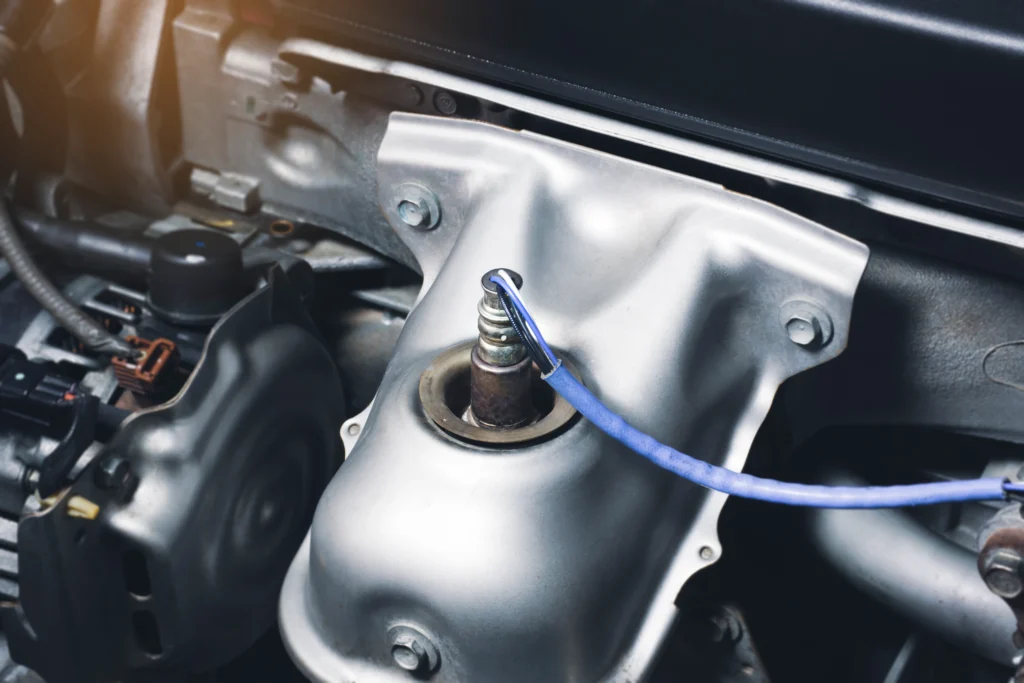
Your oxygen sensor plays an important role in helping your engine maintain the right air-fuel mixture. When it starts to fail, your vehicle may use more fuel, run poorly, or trigger the check engine light.
But how can you tell whether the oxygen sensor is actually the problem? Several warning signs can point to a failing sensor, although other engine or emissions problems can cause similar symptoms. Knowing what to look for can help you decide when your vehicle needs professional diagnostics from a trusted auto repair Houston service provider.
What Does an Oxygen Sensor Do?
An oxygen sensor measures the amount of oxygen in your vehicle’s exhaust gases and sends this information to the engine control system. The computer uses the data to adjust the air-fuel mixture so the engine can run efficiently.
Most modern vehicles have multiple oxygen sensors positioned in the exhaust system. Depending on the vehicle, some monitor the exhaust before the catalytic converter while others monitor it afterward.
When an oxygen sensor stops providing accurate readings, the engine may receive incorrect information about the air-fuel mixture.
Signs of a Bad Oxygen Sensor
A failing oxygen sensor can cause several noticeable changes in how your vehicle performs. Because these symptoms can also be caused by other engine or fuel-system problems, noticing more than one sign does not automatically confirm that the sensor has failed.
If you are experiencing several of these issues and need an auto repair near me service, a professional diagnostic inspection can help determine the actual cause.
1. Poor Gas Mileage
One of the most common signs is a noticeable decrease in fuel economy. If the oxygen sensor sends inaccurate information to the engine control system, the air-fuel mixture may not be adjusted properly.
As a result, the engine may use more fuel than necessary, causing you to visit the gas station more frequently. A sudden or unexplained drop in fuel mileage is worth having checked, especially if other symptoms appear at the same time.
2. Check Engine Light
A faulty oxygen sensor can trigger the check engine light when the vehicle’s computer detects an abnormal sensor reading or related system fault.
Your vehicle may also store a diagnostic trouble code that points toward an oxygen sensor or air-fuel mixture issue. However, a sensor-related code does not always mean the sensor itself needs to be replaced, because wiring problems, exhaust leaks, and other engine issues can produce similar readings.
3. Rough Engine Performance
You may notice rough idling, hesitation, or inconsistent engine performance when an oxygen sensor is not working correctly. The engine may feel less smooth, particularly when the vehicle is stopped or accelerating.
These changes can occur when inaccurate sensor information causes the engine control system to adjust the air-fuel mixture incorrectly. Since rough running can have several causes, proper testing is important before replacing the sensor.
4. Engine Misfires
A faulty oxygen sensor can contribute to an improper air-fuel mixture, which may result in engine misfires. You might feel the vehicle shaking, stumbling, or hesitating while driving.
Misfires can also be caused by worn spark plugs, ignition coils, fuel-system problems, or other engine issues. If the engine is repeatedly misfiring, having the vehicle diagnosed can help identify the underlying problem instead of assuming the oxygen sensor is responsible.
5. Increased Exhaust Emissions
An oxygen sensor that provides inaccurate readings can affect the engine’s air-fuel mixture and contribute to increased emissions. The problem may also cause the vehicle to fail an emissions test where testing is required.
Because oxygen sensors help the engine control system maintain the appropriate air-fuel mixture, a malfunction can affect both engine operation and emissions performance.
6. Unusual Exhaust Smell
Changes in the air-fuel mixture can sometimes produce an unusual exhaust odor. A strong gasoline smell may occur when the engine is running too rich and burning more fuel than necessary.
Other exhaust-related problems can also cause unusual smells, so this symptom alone does not confirm a bad oxygen sensor. If the smell is persistent or appears alongside poor fuel economy and a check engine light, professional diagnosis can help identify the source.
7. Poor Acceleration
A failing oxygen sensor may contribute to hesitation, sluggish response, or reduced engine performance. You may notice that the vehicle does not accelerate as smoothly as it normally does when you press the gas pedal.
Poor acceleration can have many possible causes, including ignition, fuel, airflow, or exhaust problems. Checking the oxygen sensor alongside these related systems can help determine whether it is actually responsible for the performance change.
Can a Bad Oxygen Sensor Affect Your Car’s Performance?
Yes. A faulty oxygen sensor can interfere with the engine’s ability to maintain an appropriate air-fuel mixture. This can contribute to poor fuel economy, rough running, hesitation, and increased emissions.
However, these symptoms are not unique to oxygen sensor problems. Issues with spark plugs, ignition coils, vacuum leaks, fuel delivery, or other sensors can produce similar symptoms.
That’s why replacing the sensor based only on symptoms may not solve the underlying problem.
How Do You Test an Oxygen Sensor?
A professional diagnostic test can help determine whether an oxygen sensor is actually malfunctioning.
Technicians may use an OBD-II scanner to check stored diagnostic trouble codes and examine live sensor data. They can also evaluate related engine systems and wiring to determine whether the sensor, its circuit, or another component is responsible for the problem.
Eric’s Car Care provides computer diagnostics to help identify issues affecting engine performance and vehicle systems.
Can You Drive With a Bad Oxygen Sensor?
You may be able to drive for a short period if the vehicle is still operating normally, but ignoring the problem is not recommended.
A faulty oxygen sensor can affect fuel economy and emissions, and continuing to drive without identifying the cause may allow another underlying problem to go undiagnosed.
If the check engine light is flashing, the engine is misfiring badly, or the vehicle is losing significant power, have it inspected promptly rather than continuing to drive.
What Causes an Oxygen Sensor to Fail?
Oxygen sensors can eventually wear out because they operate in a hot exhaust environment. Other factors can also contribute to sensor problems, including:
- Contamination from oil or coolant.
- Exhaust leaks.
- Damaged wiring or electrical connections.
- Excessive carbon or other deposits.
- Problems causing an incorrect air-fuel mixture.
- Normal wear over time.
Finding the reason for the failure can be just as important as replacing the sensor itself.
Oxygen Sensor vs. Other Engine Problems
Many oxygen sensor symptoms overlap with other vehicle problems. For example, poor fuel economy could result from an oxygen sensor issue, but it can also be related to tire pressure, fuel delivery, ignition problems, or other engine components.
Similarly, a check engine light does not automatically mean the oxygen sensor has failed.
A proper diagnostic process helps narrow down the actual cause instead of replacing parts based on a single symptom or code.
When Should You Get an Oxygen Sensor Checked?
Consider having your vehicle inspected if you notice:
- A check engine light.
- A sudden decrease in fuel economy.
- Rough idling or engine hesitation.
- Frequent engine misfires.
- Unusual exhaust odors.
- Reduced acceleration or engine performance.
- An emissions test failure.
Getting the issue diagnosed early can help identify the underlying problem before it leads to additional drivability or emissions concerns.
Professional Computer Diagnostics at Eric’s Car Care
If you’re trying to determine whether you have a bad oxygen sensor, professional diagnostics can help identify the actual cause of the problem. A technician can inspect diagnostic codes, sensor readings, wiring, and related engine systems rather than relying on symptoms alone.
At Eric’s Car Care , technicians use computer diagnostic equipment to identify problems affecting your vehicle’s engine, sensors, electrical systems, and other components. Their diagnostic services can help determine what needs attention before unnecessary repairs are performed.
Frequently Asked Questions
How do I know if my oxygen sensor needs to be replaced?
Common signs include poor fuel economy, rough engine performance, misfires, a check engine light, and increased emissions. A diagnostic test can help confirm whether the sensor is actually faulty.
Can a bad oxygen sensor cause a check engine light?
Yes. A malfunctioning oxygen sensor can trigger the check engine light and store a related diagnostic trouble code. However, the code should be properly diagnosed because other issues can sometimes cause similar readings.
How long can you drive with a bad oxygen sensor?
It may be possible to drive for a short time, but the problem should be diagnosed as soon as practical. Continued driving can affect fuel economy, emissions, and engine performance.
Can a bad oxygen sensor cause poor gas mileage?
Yes. An inaccurate oxygen sensor reading can affect the air-fuel mixture and contribute to reduced fuel economy.
Should I replace an oxygen sensor myself?
Replacing the sensor may seem straightforward, but diagnosing the problem first is important. If the underlying issue is wiring, an exhaust leak, or another engine problem, replacing the sensor alone may not fix the vehicle.