
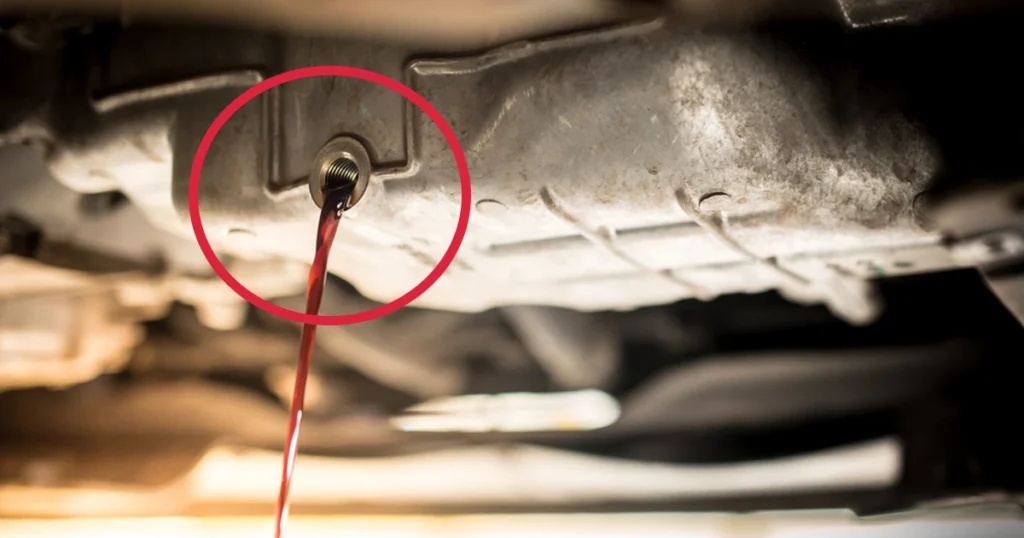
Dealing with an oil spot under your car can be frustrating, but understanding how to tackle the problem doesn’t have to be complicated. An engine oil leak can lead to bigger issues if ignored, from reduced lubrication to severe engine damage. Visiting a trusted auto repair Houston shop can help address leaks before they turn into costly repairs.
In this blog on engine oil leak repair, we’ll walk you through the common causes of leaks, how to identify where the problem is coming from, and the steps you can take to fix it, whether you’re a DIY enthusiast or planning to visit your mechanic.
If you’re searching for “auto repair near me,” our expert engine repair in Houston team can quickly diagnose and fix the problem, keeping your vehicle running safely and efficiently.
What Causes Engine Oil Leak?
Engine oil leaks can occur for several reasons, most of which involve worn, damaged, or improperly installed components. Here are the most common oil leak causes:
- Worn or Damaged Gaskets (Oil Gasket Leak): Components like the valve cover gasket, head gasket, and oil pan gasket can degrade over time, leading to an oil gasket leak that often requires engine oil leak repair.
- Faulty Seals: Crankshaft and camshaft seals can dry out or crack, especially in high-mileage engines, resulting in a serious motor oil leak.
- Loose or Damaged Oil Filter: An improperly installed or worn-out oil filter can cause oil to drip while the engine is running, requiring quick oil leak repair.
- Loose or Stripped Drain Plug: If the oil drain plug isn’t tightened correctly or its threads get damaged, oil can seep out and create a need for car oil leak repair.
- Cracked or Damaged Oil Pan (Oil Pan Leak): Road debris, rough driving conditions, or corrosion can damage the oil pan and cause an oil pan leak, one of the more noticeable types of oil leakage.
- PCV System Issues: A clogged PCV valve increases engine pressure, forcing oil through weak seals and creating leaks that can worsen without a proper engine oil leak fix.
- Oil Cooler Line Leaks: Aging or damaged oil cooler hoses and fittings can leak, contributing to continuous oil leakage.
These problems often begin small but can grow into major engine issues if ignored, making early oil leak repair essential.
How to Identify an Engine Oil Leak
Recognizing oil leak symptoms early can help you prevent serious engine damage and plan timely engine oil leak repair. Here’s how you can identify a motor oil leak or any form of oil leakage in your car:
- Visible Oil Spots Under the Car: Fresh or dried brown/black spots on the ground beneath the engine area usually signal that a car oil leak repair is needed.
- Burning Oil Smell: If you smell burning oil while driving or after parking, leaking oil may be dripping onto hot engine parts.
- Low Engine Oil Level: Frequent drops in oil level, even after top-ups, indicate a hidden oil gasket leak, oil pan leak, or another leak source.
- Blue or Gray Smoke From Exhaust: Oil leaking into the combustion chamber can burn and produce blue-ish smoke, a strong sign of an ongoing motor oil leak.
- Oil Around Engine Components: Wet, greasy areas around the valve cover, oil pan, oil filter, or gaskets are clear oil leak symptoms.
- Dashboard Oil Light: If the oil pressure warning light comes on, it may be due to low oil caused by oil leakage.
- Engine Overheating: Low oil reduces lubrication, which can cause your engine to overheat, often linked to unnoticed oil leak causes.
Identifying these signs early helps you act fast and begin the necessary oil leak repair before the problem becomes severe.
How to Repair an Engine Oil Leak (Step-by-Step Guide)
Fixing a motor oil leak depends on where the leak is coming from. Follow these steps to perform an effective engine oil leak repair:
1. Locate the Source of the Leak
Start by cleaning the engine and running it for a few minutes to spot fresh oil. Check common leak points like the oil pan, valve cover, gaskets, seals, oil filter, and drain plug. Identifying the exact source helps ensure an effective engine oil leak repair.
2. Tighten Loose Components
Before replacing anything, make sure the oil filter and drain plug are properly tightened. Loose components often cause simple car oil leak repair issues that can be fixed without major parts replacement.
3. Replace Faulty Gaskets or Seals
If the leak comes from a worn or damaged gasket, such as a valve cover or oil pan gasket, remove the old part, clean the surface, and install a new gasket. This step addresses common oil gasket leak problems.
4. Repair or Replace a Damaged Oil Pan
For dents, cracks, or corrosion in the oil pan, drain the oil, remove the pan, and replace it or the gasket. Fixing an oil pan leak prevents further oil leakage and protects your engine.
5. Replace Faulty Seals
Leaking crankshaft or camshaft seals usually require professional tools to replace. Getting an expert to handle these ensures a proper engine oil leak fix for deeper motor oil leak issues.
6. Refill Engine Oil and Check
After completing repairs, refill the engine with the correct oil grade and run it to check for leaks. Ensuring no further oil leakage occurs confirms that your oil leak repair was successful.
Take Action Now to Fix Your Engine Oil Leak
Don’t ignore even small signs of an oil leak; early action can save you from costly engine damage. Whether it’s a simple oil gasket leak or a more serious motor oil leak, following the right steps for engine oil leak repair ensures your car runs smoothly and safely. Check your engine regularly, address leaks promptly, and consult a professional if needed to keep your vehicle in top condition.
For reliable and professional service, trust Eric’s Car Care, where ASE Certified technicians handle all types of engine and oil leak repairs with precision. Our expert team ensures your vehicle gets the right care, helping prevent future issues and keeping your engine running at its best. Don’t wait, bring your car to Eric’s Car Care for a thorough and trusted engine oil leak repair.