
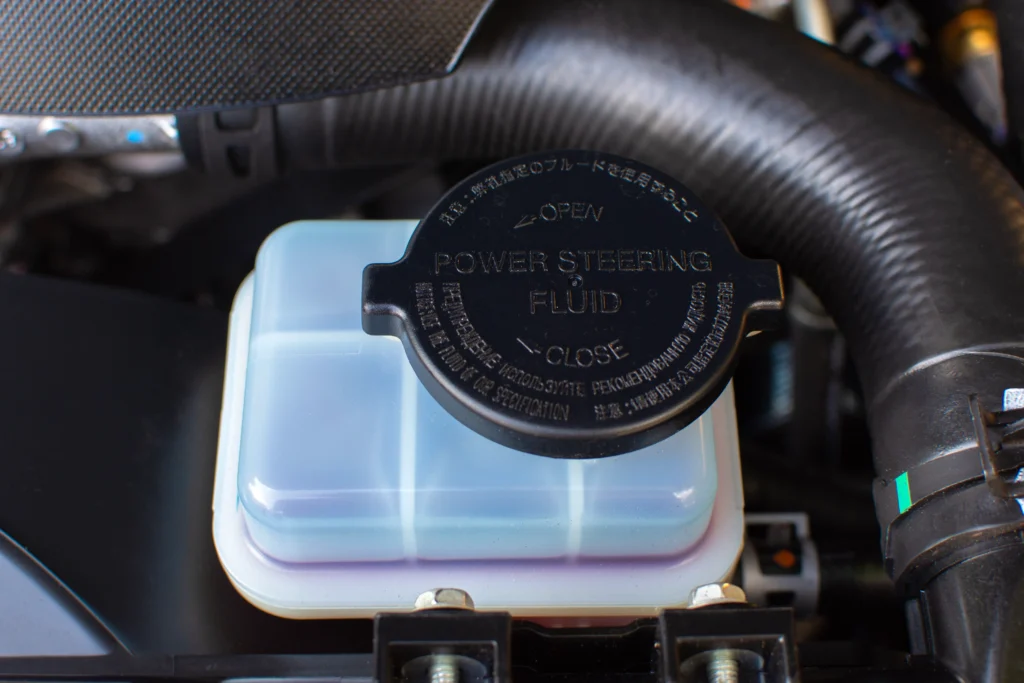
Maintaining your power steering fluid is one of the easiest ways to keep your car steering smoothly, yet most drivers forget to check it until problems show up. The good news? You can inspect it in minutes, even if you’ve never opened your hood before. In this guide, you’ll learn exactly how to check your power steering fluid, what the fluid color means, and how to avoid costly repairs.
We work with steering systems every day, and if you’re in Houston, a quick visit to a professional like steering repair in Houston, TX can also ensure your system stays in top shape. This guide breaks everything down in clear, simple steps. You’ll understand the signs of low power steering fluid, how to add more when needed, and when it’s time for a full power steering fluid change or power steering fluid flush. Let’s get your system running quietly and effortlessly. We provide trusted auto repair Houston drivers have relied on for more than 50 years.
If you’re searching for ‘auto repair near me,’ we’re here to help — book your service today.
What Is Power Steering Fluid & Why It Matters
Power steering fluid is a hydraulic fluid that helps your steering wheel turn smoothly with less effort. It lubricates the pump, protects seals, and keeps pressure consistent throughout the steering system. When the fluid gets low or dirty, the steering wheel may feel hard to turn and feel heavy, noisy, or jerky, and the pump can wear out fast. Keeping the fluid clean and at the right level extends the life of your steering components and protects you from expensive repairs.
Signs You Need to Check Your Power Steering Fluid
Low or contaminated fluid almost always shows early warning signs. Watch for:
- A stiff steering wheel, especially during slow turns
- Whining, groaning, or squealing sounds when you turn
- A visible power steering fluid leak under your car
- The steering wheel shaking or vibrating
Ignoring these signs can lead to pump failure, steering rack damage, or sudden loss of steering assist.
Tools You’ll Need
You only need a few basic items to check the fluid:
- A clean rag to wipe the dipstick
- A flashlight for dark engine bays
- A small funnel
These tools help you check the fluid level accurately and avoid spilling fluid on engine components.
How to Locate the Power Steering Reservoir
Most cars place the reservoir near the engine’s belt system, usually on the passenger side or near the firewall. Look for a small plastic or metal container with a cap labeled “Steering” or a steering wheel icon.
Important: Many newer cars use electric power steering, which means they have no fluid to check. If you don’t see a reservoir, check your owner’s manual. Your vehicle may not use hydraulic fluid at all.
How to Check Power Steering Fluid (Step-by-Step)
Keeping your power steering fluid at the right level ensures smooth, responsive steering and prevents costly pump or hose damage. By following these simple steps, you can spot leaks, contamination, or low fluid before they turn into serious problems.
Step 1: Locate the Reservoir
Once you find the reservoir, inspect the outside carefully. Most reservoirs have “MIN” and “MAX” lines printed on the side, letting you check the fluid level without opening it. Observing the reservoir can also help spot early power steering fluid leaks, which are common and can damage the pump if ignored.
Step 2: Clean the Cap
Before removing the cap, wipe it thoroughly with a clean rag. Keeping dirt and debris out prevents contamination that can lead to frothy power steering fluid or air bubbles in power steering fluid. A clean cap also ensures accurate readings and protects your system when performing a power steering fluid change or flush.
Step 3: Check the Dipstick
Most caps have a dipstick attached underneath. Remove it, wipe it clean, then reinsert and pull it out again to get an accurate reading. Make sure to check the “HOT” or “COLD” marks depending on your engine’s temperature, as fluid expands when warm, giving a more precise measurement.
Step 4: Inspect the Fluid Level
The fluid should sit between the recommended marks on the dipstick. Levels below “MIN” may indicate slow leaks, worn seals, or pump problems, while levels above “MAX” can lead to overfilled power steering fluid, causing foaming, air bubbles, and steering issues. Monitoring levels prevents long-term damage and keeps your steering smooth.
Step 5: Check Fluid Color & Condition
Inspect the fluid closely:
- Healthy fluid: red, pink, or amber; smooth and clear
- Bad fluid: brown, black, gritty, or burnt-smelling, indicating oxidation or contamination
- Milky fluid: water contamination, possibly from leaks in the cooling system
- Foamy fluid: caused by air bubbles in power steering fluid, reducing system efficiency
Dark, dirty, or frothy fluid signals it’s time for a power steering fluid flush or complete replacement with the correct type, such as ATF 4 power steering fluid, to maintain safe, smooth steering.
What Color Should Power Steering Fluid Be?
The power steering fluid color tells you a lot about your system’s health. Fresh PS fluid looks bright red or amber, depending on the type your car uses. Dark brown or black fluid means it’s oxidized, overheated, or full of debris. Milky fluid signals moisture contamination, and foam or bubbles point to air getting into the system. If the color or consistency looks off, schedule a fluid change or inspection.
How to Add Power Steering Fluid Correctly
If your fluid is low, add the recommended type until it reaches the proper level. Use a funnel to keep things clean and pour slowly to avoid overfilling. Some vehicles use ATF 4 power steering fluid, while others require manufacturer-specific formulas. Always check your owner’s manual before topping up. After adding fluid, turn the steering wheel left and right to help circulate it through the system.
When You Should Replace Power Steering Fluid
Most cars need a power steering fluid change every 40,000–60,000 miles, but the condition of the fluid matters more than mileage. If the fluid looks dark, smells burnt, or feels gritty, it’s time for a change or a complete power steering fluid flush. Replacing the fluid regularly keeps the pump healthy and reduces the risk of steering rack damage.
Common Problems Caused by Low Power Steering Fluid
Driving with low fluid creates friction, heat, and pressure issues in the system. You may notice:
- A clunking noisy pump
- Jerky or stiff steering
- Delayed steering response
- Increased wear on the rack-and-pinion
Why Your Power Steering Fluid Keeps Getting Low
If you’re topping off often, you likely have a leak. Common sources include:
- Cracked or loose hoses
- Worn pump seals
- Damaged reservoir
- Rack-and-pinion seal leaks
How to Identify Power Steering Leaks
A power steering fluid leak usually looks like red or pink fluid under the front of the car. You might see wet spots on hoses or shiny areas around the pump or reservoir. If you notice constant drips, a burnt smell, or low fluid after refilling, have a mechanic inspect the system before driving far.
Get Your Steering Checked by Experts
Checking your power steering fluid only takes a minute, and it helps you avoid noisy steering, pump failures, and unexpected breakdowns. Regularly inspect the level and color, especially if you notice stiffness, strange sounds, or leaks.
If you’re dealing with recurring power steering fluid leaks, dark or frothy fluid, or unusual steering behavior, don’t wait/schedule a professional inspection with Eric’s Car Care. Their experts can perform a thorough check, handle power steering fluid flushes, and ensure your steering system stays smooth, safe, and reliable.