
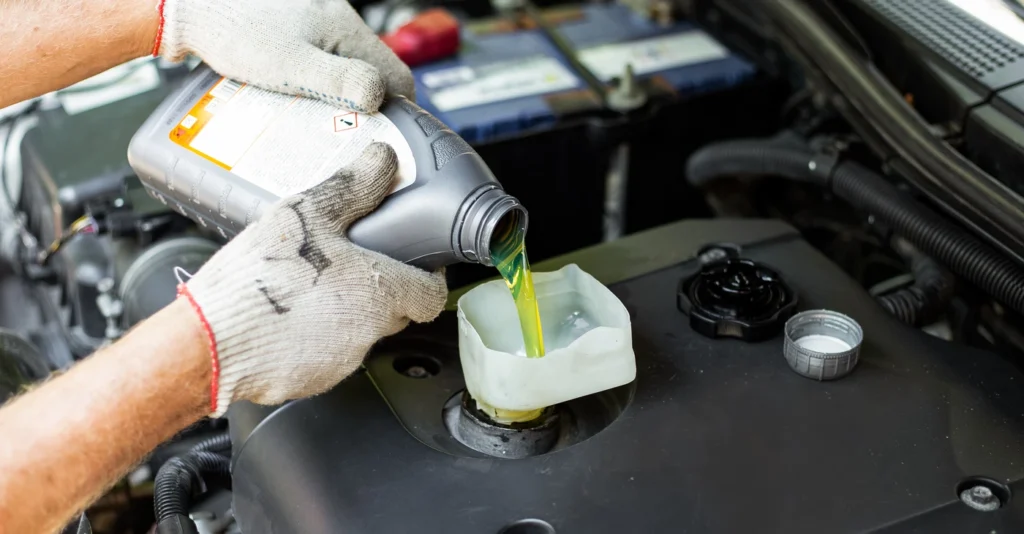
One of the most common questions among car owners is, “How much oil does my car need?” Every vehicle has a designated engine oil capacity, often measured in quarts of oil, and using the right amount protects your engine from wear and overheating. This blog will help you understand your car’s oil capacity and keep it running efficiently, , or know when to visit an auto repair Houston shop for support.
If you are searching “oil change Houston, TX,” trust Eric’s Car Care. Our ASE-Certified Technicians provide fast, reliable oil changes, making sure your car gets the right quart of oil every time to keep your engine healthy and performing at its best.
If you’re searching for ‘auto repair near me,’ we’re here to help — book your service today.
Why Oil Capacity Matters
Oil capacity matters because it ensures your engine has the right amount of lubrication to run smoothly. Too little oil can cause engine parts to grind together, leading to wear, overheating, or even serious engine damage. Too much oil can cause foaming, leaks, or pressure problems in the engine.
According to automotive expert organization DEKRA, oil performs critical functions such as lubrication and cooling that prevent severe engine damage when levels are kept within manufacturer-recommended limits. Knowing your car’s exact engine oil capacity and using the correct quart of oil helps maintain performance, protect engine components, and prevent costly repairs.
Read Related: The vital role of oil in engine cooling
How to Find Your Car’s Oil Capacity
Engine oil is a key to keeping your engine running efficiently and avoiding costly damage. So you should know how much you need to change. Here’s how to find the correct oil capacity and understand what it really means:
1. Check Your Owner’s Manual
Your owner’s manual is the most reliable source for your car’s oil capacity. It lists the exact engine oil volume your car requires, often in quarts of oil. The manual may also include additional tips, like whether your engine requires a full oil change versus a partial top-up, and the recommended oil type and viscosity. Always follow the manufacturer’s guidance to prevent engine wear or overfilling.
2. Manufacturer’s Website & Online Tools
If you don’t have the manual, most car manufacturers provide online tools or engine specifications pages. Enter your car’s year, make, and model to find the recommended oil capacity. Some websites also show a chart of engine oil volume for different engine types, helping you pick the right quart of oil for your specific engine.
3. Ask Your Mechanic
When in doubt, a qualified mechanic can give you the exact engine oil volume and advise on your car’s oil capacity. Mechanics often notice differences in oil needs based on engine condition, mileage, and driving habits, so getting their input ensures you’re not just guessing.
4. Use the Dipstick
Even if you know your car’s oil capacity, checking the engine oil volume with the dipstick is a practical way to make sure the oil level is correct. After adding oil, insert the dipstick, wipe it clean, then reinsert it to read the level.
This lets you see exactly how many quarts of oil are in the engine and ensures you don’t overfill or underfill. Regularly using the dipstick helps maintain proper oil capacity and prevents engine damage.
Read Related: How to Change Oil in Car
How Many Quarts of Oil Does a Car Take
The number of quarts of oil a car takes depends on the make, model, year, and engine type. Most passenger cars typically take 4 to 6 quarts of oil, while larger vehicles like SUVs, trucks, or performance cars may need 7 to 10 quarts or more.
Here’s a quick general guideline:
| Vehicle Type / Engine Size | Cylinder Count | Typical Oil Capacity (Quarts) |
| Small cars / compact sedan | 3-cylinder | 3–4 quarts |
| Small cars / compact sedan | 4-cylinder | 4–5 quarts |
| Mid-size cars | 4-cylinder | 4.5–5.5 quarts |
| Mid-size cars | 6-cylinder | 5–6 quarts |
| Large cars / SUVs | 6-cylinder | 6–7 quarts |
| Large cars / SUVs | 8-cylinder | 7–8 quarts |
| Pickup trucks / V8 engines | 8-cylinder | 7–10 quarts |
| Heavy-duty trucks / SUVs | 10–12 cylinders | 10–12 quarts |
Signs Your Car Might Have Too Little or Too Much Oil
Maintaining the correct engine oil volume is crucial for your car’s performance and longevity. Both too little and too much oil can cause serious engine problems. Here’s what to look for:
Signs of Too Little Oil:
- Engine noise or knocking: Low oil reduces lubrication, causing metal parts to rub together.
- Oil warning light: Most cars have a dashboard indicator for low oil capacity.
- Overheating engine: Insufficient oil prevents proper heat dissipation. In hot weather, we see oil breakdown faster when levels are too low, so it’s especially important to maintain the correct engine oil volume.
- Dirty or gritty oil on the dipstick: If the oil level is low and the oil looks dark or contaminated, it may indicate a leak or overdue change.
Signs of Too Much Oil
- Smoke from the exhaust: Overfilled engines can push oil into the combustion chamber, causing blue smoke.
- Oil leaks: Excess pressure can force oil past seals and gaskets.
- Foamy or frothy oil: Too much oil can aerate and form bubbles, reducing lubrication efficiency.
- Poor engine performance: Overfilling can make the engine work harder and reduce fuel efficiency.
Keep Your Engine Healthy with the Right Oil
Knowing how much oil your engine needs and your vehicle’s exact oil capacity is essential to keep your engine running smoothly and avoid costly repairs. Using the correct quart of oil ensures optimal lubrication, performance, and longevity for your car.
At Eric’s Car Care, we make sure every oil change is done right. Our ASE-Certified Technicians use the proper quart of oil for your vehicle’s engine oil capacity, keeping your engine running smoothly and efficiently. With years of experience and a commitment to quality, we protect your car from wear, overheating, and costly repairs. Trust us to keep your engine healthy. Schedule your next oil change at Eric’s Car Care today!