
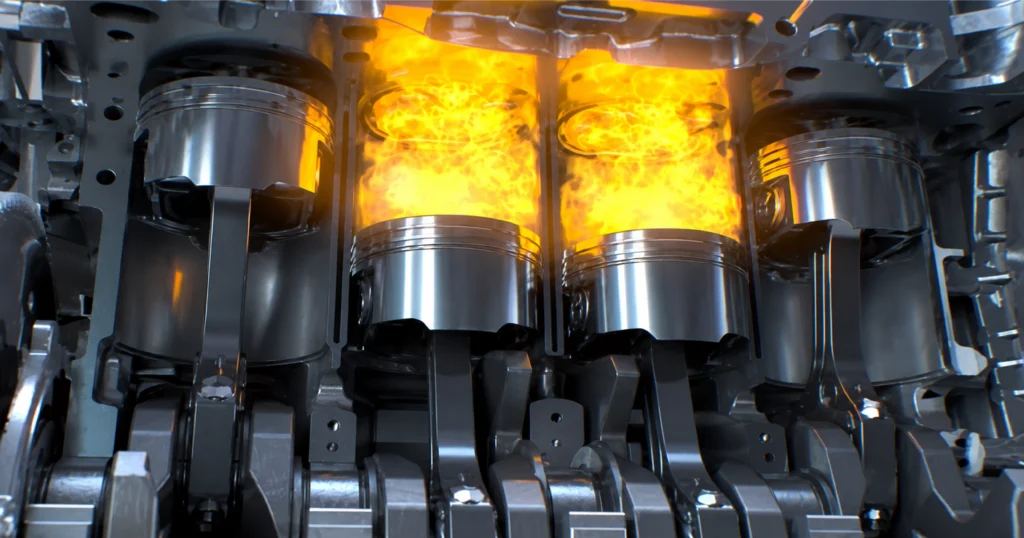
Your engine relies on precise combustion to deliver smooth and efficient performance. When one or more cylinders fail to ignite the air-fuel mixture properly, an engine misfire occurs. This can cause rough idling, poor acceleration, reduced fuel economy, and a flashing check engine light. Scheduling an auto repair Houston service as soon as these symptoms appear can help prevent further engine damage.
Engine misfires are commonly caused by worn spark plugs, faulty ignition coils, clogged fuel injectors, vacuum leaks, or internal engine problems. Identifying the cause early and repairing it promptly helps restore performance, improve fuel efficiency, and prevent more costly repairs.
What Is an Engine Misfire?
An engine misfire occurs when one or more cylinders fail to burn the air-fuel mixture properly during the combustion process. Every cylinder requires the correct combination of air, fuel, compression, and spark at precisely the right moment. If any part of this process is interrupted, the cylinder cannot generate the power it should, causing the engine to run unevenly. If you notice these symptoms, scheduling an auto repair near me service promptly can help identify the cause and prevent further engine damage.
What Causes an Engine Misfire?
Engine misfires can originate from the ignition system, fuel system, air intake, engine sensors, or internal mechanical components. Because modern engines rely on precise timing and accurate fuel delivery, even a small fault can interrupt combustion and prevent a cylinder from firing correctly. Identifying the exact cause is essential because every type of misfire requires a different repair approach.
Worn or Fouled Spark Plugs
Spark plugs are responsible for igniting the compressed air-fuel mixture inside each cylinder. Over time, the electrodes wear down, carbon deposits build up, and the spark becomes weaker or inconsistent. When the spark plug cannot ignite the mixture efficiently, the affected cylinder may misfire, causing rough idling, hesitation during acceleration, and reduced engine performance. Replacing spark plugs according to your manufacturer’s maintenance schedule is one of the simplest ways to prevent engine misfires.
Faulty Ignition Coils
Ignition coils convert battery voltage into the high voltage required to create a spark at the spark plugs. If an ignition coil begins to fail, it may not supply enough electrical energy for complete combustion. Modern vehicles often use individual coils for each cylinder, meaning a single faulty ignition coil can trigger a cylinder-specific misfire while the remaining cylinders continue operating normally.
Clogged or Failing Fuel Injectors
Fuel injectors deliver a precise amount of fuel into each cylinder during combustion. Dirt, carbon buildup, or internal injector wear can restrict fuel flow or create an uneven spray pattern, preventing the proper air-fuel mixture from forming. When a cylinder receives insufficient fuel, combustion becomes incomplete, resulting in hesitation, poor acceleration, reduced fuel efficiency, and recurring engine misfires.
Weak Fuel Pump or Low Fuel Pressure
The fuel pump supplies pressurized fuel from the fuel tank to the engine. If fuel pressure falls below the manufacturer’s specifications due to a failing pump, clogged fuel filter, or damaged fuel pressure regulator, the engine may not receive enough fuel during acceleration or heavy engine loads. This lean fuel condition often causes intermittent misfires and noticeable performance problems.
Vacuum Leaks
Your engine relies on a carefully balanced air-fuel mixture to produce efficient combustion. A vacuum leak occurs when unmetered air enters the engine through cracked vacuum hoses, damaged intake manifold gaskets, or loose connections. This extra air creates a lean mixture that can cause rough idling, hesitation, poor acceleration, and engine misfires. Because vacuum leaks are often difficult to detect visually, professional smoke testing is one of the most reliable ways to locate and repair them.
Dirty or Faulty Mass Airflow (MAF) Sensor
The mass airflow (MAF) sensor measures the volume of air entering the engine and sends this information to the engine control module (ECM). The ECM then calculates the correct amount of fuel needed for combustion. When the MAF sensor becomes dirty or fails, it can send inaccurate airflow readings, causing the engine to run either too rich or too lean. This imbalance may lead to hesitation, reduced fuel economy, poor throttle response, and recurring engine misfires.
Faulty Oxygen (O2) Sensor
Oxygen sensors continuously monitor the oxygen content in the exhaust gases to help maintain the ideal air-fuel ratio. A failing oxygen sensor may provide incorrect data to the ECM, causing improper fuel delivery during combustion. As a result, the engine may experience rough operation, increased emissions, reduced fuel efficiency, and cylinder misfires. Replacing worn oxygen sensors at the appropriate service interval helps maintain engine performance and emissions compliance.
Low Engine Compression
Proper cylinder compression is essential for complete combustion. Worn piston rings, burned valves, damaged cylinder walls, or leaking head gaskets can reduce compression and prevent the air-fuel mixture from igniting correctly. Unlike ignition or fuel system problems, low compression usually indicates an internal engine issue that requires advanced diagnostic testing and more extensive repairs.
Blown Head Gasket
A blown head gasket can allow coolant or engine oil to leak into the combustion chamber, interfering with the combustion process and reducing cylinder compression. Common symptoms include persistent engine misfires, overheating, coolant loss, white exhaust smoke, and poor engine performance. Because a blown head gasket can quickly lead to severe engine damage, immediate diagnosis and repair are essential.
Timing Belt or Timing Chain Problems
The timing belt or timing chain synchronizes the crankshaft and camshaft so the engine’s valves open and close at the correct time. If these timing components stretch, wear excessively, or skip teeth, valve timing becomes inaccurate and combustion is disrupted. In addition to causing engine misfires, severe timing problems can result in catastrophic internal engine damage if left unresolved.
Faulty Crankshaft or Camshaft Position Sensor
Crankshaft and camshaft position sensors provide critical timing information to the ECM, allowing it to control ignition timing and fuel injection precisely. When either sensor begins to fail, the engine may receive incorrect timing signals that lead to intermittent misfires, hard starting, engine stalling, or inconsistent performance. Modern diagnostic equipment can usually identify sensor-related faults quickly through stored trouble codes.
Contaminated or Poor-Quality Fuel
Fuel contaminated with water, dirt, or other impurities can interfere with normal combustion and contribute to engine misfires. Using fuel with an octane rating lower than your vehicle manufacturer recommends may also cause knocking and occasional misfires in certain engines. Filling up at reputable service stations and following your vehicle’s fuel recommendations helps reduce the risk of fuel-related performance issues.
What Are the Symptoms of an Engine Misfire?
Engine misfires often cause noticeable changes in your vehicle’s performance, making it easier to identify a problem before it becomes more serious. Recognizing these warning signs early can help prevent expensive engine damage and improve overall reliability.
- Rough or Unstable Idling: The engine may shake or idle unevenly because one or more cylinders are not firing correctly. This symptom is often most noticeable when the vehicle is stopped or running at low speeds.
- Loss of Power: An engine misfire reduces the power produced by the affected cylinder, making acceleration feel sluggish. Your vehicle may also struggle when climbing hills or carrying heavier loads.
- Poor Fuel Economy: Incomplete combustion forces the engine to burn more fuel while producing less power. As a result, you may notice lower fuel efficiency and more frequent trips to the fuel station.
- Check Engine Light: A steady or flashing check engine light is a common warning that the engine has detected a misfire. A flashing light usually indicates a more serious issue that should be inspected immediately.
- Jerking or Hesitation During Acceleration: The vehicle may hesitate, jerk, or stumble when you press the accelerator because the engine is not producing consistent power. This is especially noticeable during rapid acceleration or highway driving.
- Engine Shaking or Excessive Vibrations: A misfiring cylinder can cause noticeable vibrations throughout the vehicle while idling or driving. Continuous shaking often indicates the problem is becoming more severe and needs prompt attention.
- Unusual Exhaust Smoke or Fuel Smell: Black or white exhaust smoke and the smell of unburned fuel may indicate incomplete combustion. These symptoms can also suggest underlying fuel system or internal engine problems that require diagnosis.
If you notice any of these symptoms, don’t wait for the problem to get worse; schedule a professional inspection to restore your engine’s performance and prevent costly repairs.
Can You Drive With an Engine Misfire?
Driving with an engine misfire is not recommended because it can reduce performance and lead to costly engine damage if ignored. The severity of the misfire determines whether it is safe to continue driving or if immediate repairs are necessary.
- Minor Intermittent Misfires: If the misfire occurs occasionally and the check engine light is not flashing, you may be able to drive a short distance to a repair shop. Avoid heavy acceleration or long trips until the issue is diagnosed.
- Severe Engine Misfires: If the engine shakes violently, loses significant power, or the check engine light starts flashing, stop driving as soon as it is safe. Continuing to drive can cause serious damage to the catalytic converter and engine.
- Risk of Costly Repairs: Ignoring an engine misfire can lead to damaged spark plugs, ignition coils, fuel injectors, or internal engine components. Early diagnosis helps prevent more extensive and expensive repairs.
- Reduced Fuel Efficiency: A misfiring engine burns fuel inefficiently, causing increased fuel consumption and reduced overall performance. Prompt repairs help restore fuel economy and smooth engine operation.
How Is an Engine Misfire Diagnosed?
Accurately diagnosing an engine misfire requires a systematic inspection rather than simply replacing parts. Since misfires can result from ignition failures, fuel delivery problems, sensor faults, or internal engine damage, technicians use specialised diagnostic equipment to identify the exact cause. A professional diagnosis not only saves time but also prevents unnecessary repairs.
Reading OBD-II Trouble Codes
The first step in diagnosing an engine misfire is connecting an OBD-II scanner to retrieve diagnostic trouble codes (DTCs). Codes such as P0300 indicate random or multiple-cylinder misfires, while P0301 through P0308 identify misfires occurring in specific cylinders. These codes help technicians narrow down the possible causes before performing further testing.
Inspecting the Ignition System
Because ignition problems are among the most common causes of engine misfires, technicians inspect spark plugs, ignition coils, electrical connectors, and ignition wiring for signs of wear or failure. Cracked ignition coils, worn spark plugs, or poor electrical connections can interrupt spark delivery and prevent proper combustion. Replacing faulty ignition components often restores smooth engine operation.
Testing the Fuel System
The fuel system must deliver the correct amount of fuel at the proper pressure for efficient combustion. Technicians may check fuel pressure, inspect fuel injectors for clogging, and evaluate the condition of the fuel pump and fuel filter. Identifying restricted fuel flow or injector problems ensures the engine receives the fuel needed for complete combustion.
Performing Compression Testing
If the ignition and fuel systems appear to be functioning correctly, compression testing helps determine whether an internal engine problem is causing the misfire. Low compression may indicate worn piston rings, leaking valves, damaged cylinder walls, or a blown head gasket. Identifying mechanical problems early can help prevent further engine damage and guide the appropriate repair.
Checking for Vacuum Leaks and Sensor Problems
Vacuum leaks and faulty engine sensors can significantly affect the combustion process by disrupting the air-fuel mixture. During diagnosis, technicians often perform a smoke test to locate intake leaks and inspect critical sensors such as the mass airflow (MAF) sensor, oxygen (O2) sensors, crankshaft position sensor, and camshaft position sensor. Correcting these issues restores accurate fuel delivery, improves engine performance, and eliminates recurring misfires.
How Can You Prevent an Engine Misfire?
Routine maintenance is the best way to prevent an engine misfire and keep your vehicle running efficiently. Replacing worn components and addressing small issues early can help avoid unexpected breakdowns and costly engine repairs.
- Replace Spark Plugs on Schedule: Worn spark plugs can weaken the spark needed for combustion, increasing the risk of engine misfires. Replacing them at the recommended service interval helps maintain smooth engine performance.
- Maintain a Clean Fuel System: Dirty fuel injectors and clogged fuel filters can restrict fuel delivery and disrupt combustion. Regular fuel system maintenance helps ensure the engine receives the correct amount of fuel.
- Replace Air Filters Regularly: A clean air filter allows the proper amount of air to reach the engine for efficient combustion. Replacing a clogged air filter improves airflow and reduces the chance of misfires.
- Use High-Quality Fuel: Using fuel with the correct octane rating helps maintain efficient combustion and reduces harmful carbon buildup. High-quality fuel also helps protect fuel injectors and other engine components.
- Address Warning Lights Promptly: A check engine light can indicate an early engine problem before it becomes more serious. Having your vehicle inspected quickly helps prevent minor issues from developing into major repairs.
- Follow Your Vehicle’s Maintenance Schedule: Routine inspections allow technicians to identify worn ignition, fuel, and engine components before they fail. Staying on top of scheduled maintenance helps reduce the risk of engine misfires and extends your engine’s lifespan.
If you’re searching for an auto repair shop near me, have your vehicle inspected by experienced technicians who can accurately diagnose the cause of the misfire and recommend the right repair.
When Should You See a Mechanic for an Engine Misfire?
An engine misfire should never be ignored, as it can quickly lead to more serious engine damage if left untreated. Seeking professional diagnosis early helps identify the cause and prevents more expensive repairs.
- Flashing Check Engine Light: A flashing check engine light usually indicates a severe engine misfire that requires immediate attention. Continuing to drive can damage the catalytic converter and other engine components.
- Loss of Power: If your vehicle struggles to accelerate or feels noticeably less responsive, the misfire may be affecting engine performance. A mechanic can diagnose the issue and restore proper operation.
- Persistent Rough Idling or Vibrations: Continuous shaking, rough idling, or excessive engine vibrations often indicate an ongoing misfire. Prompt repairs help prevent additional wear on internal engine parts.
- Poor Fuel Economy: A sudden drop in fuel efficiency may be caused by incomplete combustion due to an engine misfire. Having the engine inspected can improve performance and reduce fuel consumption.
- Repeated Stalling or Hard Starting: If your vehicle stalls frequently or becomes difficult to start, an engine misfire could be the underlying cause. Professional diagnostics can identify the faulty component before the problem worsens.
- Unusual Noises or Exhaust Smoke: Knocking noises, popping sounds, or excessive exhaust smoke can indicate a serious engine issue related to a misfire. A mechanic should inspect the vehicle as soon as possible to prevent further damage.
Trust Eric’s Car Care for Engine Misfire Diagnosis and Repair
Engine misfires can develop from worn spark plugs, faulty ignition coils, clogged fuel injectors, vacuum leaks, failing sensors, or internal engine problems. Regardless of the cause, diagnosing the issue early helps prevent more extensive damage, improves fuel efficiency, and restores your vehicle’s performance. Ignoring the warning signs can lead to expensive repairs that could have been avoided with timely maintenance.
At Eric’s Car Care, our ASE-certified technicians use advanced diagnostic equipment to accurately identify the cause of engine misfires and recommend reliable, long-lasting repair solutions. Whether your vehicle needs ignition repairs, fuel system service, or comprehensive engine diagnostics, our team is committed to delivering honest recommendations and quality workmanship. Contact Eric’s Car Care today to schedule your inspection and keep your vehicle running at its best.