
Spark plugs typically need to be changed every 30,000 to 100,000 miles, depending on the vehicle, plug type, engine, and driving conditions. Your owner’s manual provides the most accurate replacement interval, while Auto Repair Houston can help if you’re unsure when service is due.
Spark plugs may be small, but they play a major role in how your engine starts, runs, and performs. Worn or contaminated plugs can produce a weaker or inconsistent spark, affecting combustion and overall engine performance.
What Determines Spark Plug Replacement Interval?
Spark plug replacement intervals vary based on the vehicle, engine, plug material, and driving conditions. The type of spark plug, engine design, driving habits, fuel quality, and engine condition can all affect how quickly the plugs wear. Key factors include:
Spark Plug Material
Copper spark plugs are generally less expensive but tend to have shorter service intervals. Platinum and iridium spark plugs typically last longer because their electrodes resist wear more effectively.
Driving Conditions
Constant stop-and-go driving, frequent short trips, and heavy loads can place additional demands on the ignition system. If you regularly drive under demanding conditions, your spark plugs may need inspection sooner.
Engine Condition
Oil consumption, carbon buildup, fuel-system problems, and other engine issues can contaminate spark plugs. In these situations, simply replacing the plugs may not solve the underlying problem.
Signs of Worn Spark Plugs
When spark plugs begin to wear or become contaminated, they can affect engine performance, starting, acceleration, and fuel economy. The following signs may indicate that your spark plugs need to be inspected or replaced.
1. Rough Idling
Worn spark plugs can cause engine misfires that make the vehicle feel rough or uneven while idling. You may notice unusual vibrations or hear knocking and rattling sounds as the engine struggles to maintain smooth operation.
2. Slow Acceleration
When a spark plug cannot produce a strong, consistent spark, the engine may respond slowly when you press the accelerator. Your vehicle may feel sluggish, hesitate, sputter, or even stall when the problem becomes more severe.
3. Hard Starting
Worn or contaminated spark plugs may not produce enough spark to ignite the air-fuel mixture properly. As a result, the engine may take longer to start or require multiple attempts before it starts normally.
4. Check Engine Light
A failing spark plug can cause an engine misfire and trigger the check engine light. Because this warning can have many causes, diagnostic testing can help determine whether worn spark plugs are responsible for the problem.
5. Poor Fuel Economy
Worn spark plugs can contribute to incomplete or inefficient combustion, causing the engine to use more fuel than necessary. If you notice a drop in fuel economy, the spark plugs and other ignition components may need to be inspected.
What Happens If You Don’t Change Spark Plugs?
Driving beyond the recommended spark plug interval doesn’t necessarily mean your vehicle will immediately break down. However, worn plugs can eventually affect engine performance, fuel economy, and reliability.
As the electrodes wear, the gap can increase and the ignition system may have to work harder to produce a spark. Severe wear or fouling can also contribute to misfires and other drivability problems. Ignoring persistent misfires can potentially lead to more expensive repairs.
Can Spark Plugs Last 100,000 Miles?
Yes, some modern spark plugs are designed to last around 100,000 miles or even longer under appropriate conditions. This is particularly common with high-quality platinum or iridium plugs used in certain modern engines.
However, a 100,000-mile rating does not mean every spark plug or vehicle should follow that interval. Always check the manufacturer’s recommendation for your specific engine. If symptoms appear before the scheduled interval, the plugs should be inspected rather than waiting for the mileage recommendation.
How Are Spark Plugs Changed?
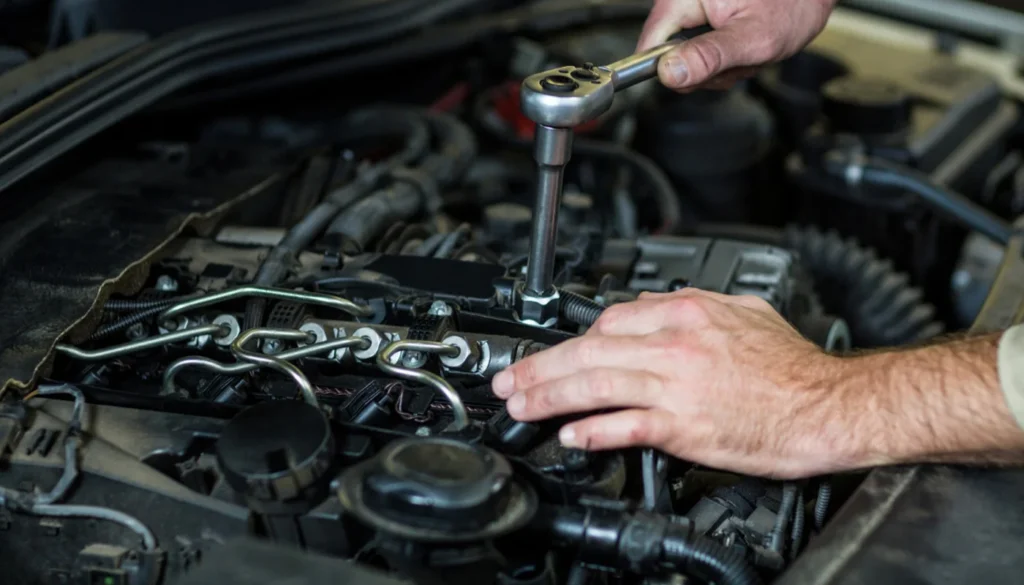
Changing spark plugs involves removing the old plugs, checking the correct replacement specifications, and installing the new plugs properly. The exact process varies by vehicle, but the basic steps typically include:
1. Let the Engine Cool
Allow the engine to cool completely before starting the replacement process. Working around a hot cylinder head can increase the risk of injury. Make sure the vehicle is parked securely before beginning.
2. Remove the Ignition Components
Depending on the vehicle, remove the ignition coils, plug wires, or other components covering the spark plugs. Disconnect each component carefully to avoid damaging the wiring. Keep removed parts organized for reinstallation.
3. Remove the Old Spark Plugs
Use the correct spark plug socket and tools to carefully loosen and remove each old plug. Inspect the removed plugs for signs of wear, fouling, oil, or other engine problems. Avoid dropping debris into the spark plug openings.
4. Install the New Spark Plugs
Install the correct replacement plugs according to the manufacturer’s specifications. Make sure the plugs have the proper gap and use the recommended torque during installation. Avoid overtightening, which can damage the plug or cylinder head.
5. Reinstall the Ignition Components
Reinstall the ignition coils, plug wires, and any other components removed during the process. Make sure each connector or wire is securely seated before starting the engine. Start the vehicle and check that it runs smoothly without unusual noises or misfires.
If you’re unsure about the correct tools or installation procedure, Auto Repair near me can provide professional assistance. Proper installation helps ensure reliable ignition and prevents avoidable engine problems.
Keep Your Engine Running Smoothly With Professional Care
Regular car maintenance can help you stay ahead of ignition problems and maintain reliable engine performance. While many spark plugs can last tens of thousands of miles, the correct replacement interval depends on your vehicle and the type of spark plugs it uses.
If your vehicle is due for spark plug replacement or you’re experiencing misfires, rough idling, poor acceleration, or starting problems, Eric’s Car Care can inspect your ignition system and help determine what service your vehicle needs. Timely maintenance can help keep your engine running smoothly and reliably.