
Low oil pressure means your engine may not be receiving enough pressurized oil to properly lubricate its moving parts. If you are asking what does low oil pressure means, treat the warning seriously. The problem can result from low engine oil, a faulty sensor, a clogged filter, an oil pump issue, or internal engine wear. Continuing to drive without identifying the cause may increase the risk of engine damage.
Houston drivers often depend heavily on their vehicles for commuting, errands, and long drives in demanding traffic and heat. When an oil warning light appears, timely diagnostics matter. If you need professional Auto Repair Houston, understanding what the warning means can help you make safer decisions before a minor lubrication problem becomes a more extensive repair.
What Does Low Oil Pressure Mean in a Car?
Low oil pressure means the engine’s lubrication system may not be circulating oil effectively enough to protect internal components. The exact cause can range from insufficient oil to a mechanical problem involving the oil pump, filter, passages, sensor, or engine itself.
Engine oil does more than simply coat moving parts. It helps reduce friction, carry heat away from components, and support normal engine operation. The oil pump circulates oil through passages inside the engine, creating the pressure needed to deliver lubrication where it is required.
When pressure drops, critical components may receive insufficient lubrication. Metal surfaces can experience increased friction and heat, potentially leading to accelerated wear. The seriousness of the problem depends on the actual cause and how long the engine operates under inadequate lubrication. A dashboard warning does not automatically identify the failed component. It signals that the vehicle’s monitoring system has detected a condition requiring attention.
What Causes Low Oil Pressure?
Several mechanical and maintenance issues can cause low oil pressure. The most common possibilities include low oil level, oil leaks, incorrect or degraded oil, a restricted filter, a failing oil pump, clogged passages, sensor problems, and internal engine wear.
Low Engine Oil Level
An engine cannot maintain normal lubrication if there is insufficient oil available for circulation. Oil levels may drop because of external leaks or because some engines consume oil over time.
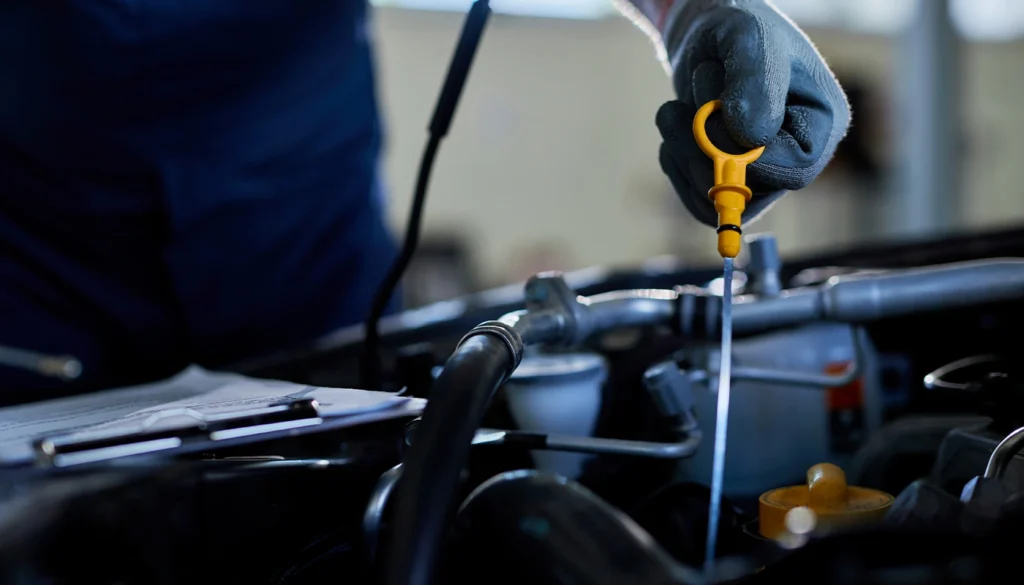
Checking the dipstick can provide useful information, but it does not diagnose every oil pressure problem. If the level is low, follow the vehicle manufacturer’s recommendations regarding the correct oil type and amount.
Oil Leaks
Leaks from gaskets, seals, or other engine components can gradually reduce the available oil supply. Drivers may notice spots beneath a parked vehicle or a burning smell if leaking oil reaches hot components. An inspection can help identify whether an external leak is contributing to the problem.
Dirty or Incorrect Engine Oil
Engine oil changes over time and can become contaminated or degrade. Using an oil viscosity that does not match the manufacturer’s specifications may also affect lubrication performance. Regular oil change in houston tx service helps maintain the engine’s lubrication system, although the appropriate service interval should be based on the vehicle manufacturer’s recommendations and operating conditions.
A Failing Oil Pump
The oil pump is responsible for moving oil through the engine. If the pump cannot circulate oil effectively, pressure may drop. A failing pump can require substantial diagnostic work because confirming the problem may involve testing actual oil pressure and inspecting related components.
Clogged Oil Filter or Oil Passages
Oil filters capture contaminants, but a severely restricted filter or accumulated deposits within engine passages may interfere with normal oil circulation. The underlying cause can depend on maintenance history, engine condition, and the specific design of the lubrication system.
Internal Engine Wear
Worn bearings and other internal components can increase the clearances through which oil flows. In some cases, this can affect the engine’s ability to maintain appropriate pressure. Internal wear generally requires professional evaluation because the severity cannot be accurately determined from a dashboard warning alone.
A Faulty Oil Pressure Sensor
The oil pressure sensor monitors pressure and communicates information to the vehicle’s warning system or instrument cluster. A defective sensor, damaged wiring, or electrical connection problem can produce inaccurate readings.
This is why replacing parts based solely on a warning light can be risky. A technician should determine whether the engine truly has low pressure or whether the monitoring system is reporting incorrect information.
What Are the Warning Signs of Low Oil Pressure?
Low oil pressure may appear with one or more symptoms, including:
- An illuminated oil pressure warning light
- An unusually low or fluctuating oil pressure gauge reading
- Ticking, tapping, knocking, or other abnormal engine noises
- Engine overheating or increased operating temperature
- Reduced engine performance
- A burning oil smell
- Visible oil leaks
These symptoms can overlap with other mechanical problems. For example, engine noise can have several causes unrelated to oil pressure. A diagnostic inspection is therefore more reliable than attempting to identify the failed part based on one symptom.
For Houston motorists who notice a warning light during a commute, stop-and-go traffic can make continued driving particularly concerning if the engine is genuinely receiving inadequate lubrication.
What Does Oil Pressure Low Mean on the Dashboard?
When a dashboard displays an oil pressure warning, it generally indicates that the system has detected inadequate oil pressure or an abnormal pressure reading. Because the warning may represent either a genuine mechanical problem or a sensor-related issue, proper diagnosis is important.
Many vehicles use an oil can symbol or a message indicating low oil pressure. Drivers should not confuse this warning with a routine maintenance reminder for an oil change. A low oil pressure warning should always be taken seriously because inadequate oil circulation can prevent critical engine components from receiving proper lubrication. Continuing to drive with genuinely low oil pressure may increase friction, heat, and the risk of engine damage.
If the warning appears while driving, avoid assuming that simply adding oil will solve the problem. A vehicle can have the correct oil level and still experience a pressure-related issue caused by the oil pump, filter, oil passages, or a faulty sensor.
How Does an Oil Pressure Gauge Help Identify the Problem?
An oil pressure gauge provides information about pressure in the lubrication system, but an unusual reading does not independently identify the cause. The reading should be considered alongside the oil level, engine condition, warning lights, noises, and diagnostic test results.
Some vehicles use a traditional oil pressure gauge, while others display a warning light or digital message. A sudden drop, fluctuating reading, or consistently low measurement deserves attention.
However, dashboard gauges and sensors can fail. Professional diagnostics may include comparing the vehicle’s electronic reading with a mechanical pressure test when appropriate.
This distinction matters because replacing an oil pump when the actual problem is a sensor can create unnecessary expense. Conversely, assuming a warning is only an electrical issue when the engine has genuinely low pressure could allow mechanical damage to worsen.
When Should You Stop Driving?
You should take a persistent low oil pressure warning seriously and avoid unnecessary driving until the cause is evaluated. If the warning appears with loud engine noise, overheating, smoke, or other signs of mechanical distress, stopping in a safe location and arranging assistance may be the safer option.
Your immediate response should prioritize safety. Do not stop abruptly in moving traffic. If possible, move to a safe location away from active lanes.
Houston’s official Tow and Go program provides information about assistance for stalled vehicles on participating freeways and may tow stalled vehicles to a nearby safe location under its program rules.
Once safely stopped, consult your owner’s manual for vehicle-specific guidance. Checking the oil level may provide useful information, but do not open components or perform repairs near active traffic.
Book Your Inspection Today
How Is Low Oil Pressure Diagnosed?
A proper diagnosis should identify the underlying cause rather than simply responding to the dashboard warning.
A typical diagnostic process may include:
- Checking the engine oil level to determine whether insufficient oil is present.
- Inspecting for visible leaks around relevant seals, gaskets, and components.
- Reviewing oil conditions for contamination or signs of deterioration.
- Scanning the vehicle’s diagnostic system for related fault codes.
- Testing the oil pressure sensor and wiring when inaccurate readings are suspected.
- Measuring actual engine oil pressure when necessary using appropriate diagnostic equipment.
- Inspecting related mechanical components if testing indicates a lubrication or internal engine problem.
Low Oil Pressure Checklist for Texas Drivers
If your vehicle displays a low oil pressure warning, consider these practical steps:
- Stay calm and prioritize safety. Move out of traffic when it is safe to do so.
- Check for additional warning signs. Listen for unusual noises and watch for overheating or smoke.
- Turn off the engine if continued operation appears unsafe. Follow your owner’s manual and vehicle-specific warning instructions.
- Check the oil level when it is safe. Use the proper procedure described by the manufacturer.
- Do not assume the problem is only low oil. The cause may involve pressure, circulation, or an electrical sensor.
- Document the symptoms. Note when the warning appeared and whether the engine made unusual noises.
- Arrange professional diagnostics. Testing can determine whether the issue involves the sensor, oil pump, filter, passages, or internal components.
- Keep repair records. Texas consumers can benefit from maintaining written documentation of vehicle maintenance and repairs.
Can You Drive With Low Oil Pressure?
Driving with confirmed low oil pressure can expose an engine to inadequate lubrication and increased mechanical wear. Because the underlying cause may be serious and cannot always be determined from the dashboard alone, continued driving should be avoided when practical until the vehicle is properly evaluated.
The risk depends on factors such as the actual pressure level, engine design, operating temperature, and underlying mechanical condition.
A warning that disappears does not necessarily prove the problem has resolved. Intermittent sensor faults, wiring issues, or mechanical conditions can cause warnings to appear inconsistently.
If you are searching for Auto Repair near me , look for a facility capable of evaluating both the vehicle’s electronic monitoring system and the mechanical lubrication system. Accurate testing is more valuable than guessing which part needs replacement.
How Can Regular Maintenance Help Prevent Oil Pressure Problems?
Routine maintenance cannot prevent every mechanical failure, but it can help identify certain problems before they become more serious. Following the manufacturer’s recommended oil specifications and service schedule helps support normal lubrication.
Drivers should also pay attention to recurring oil loss, leaks, unusual engine sounds, and changes in dashboard readings. Early inspection may identify a developing issue before it progresses.
Keep Your Engine Protected With Professional Care
Regular vehicle maintenance can help support proper oil circulation and identify potential engine issues before they become more serious. Checking oil levels, using the correct oil type, and addressing warning lights promptly can all play an important role in protecting your engine.
If you notice a low oil pressure warning, unusual engine noises, or fluctuating oil pressure readings, Eric’s Car Care can inspect your vehicle and help identify the underlying cause. Timely diagnostics and professional service can help protect your engine and keep your vehicle running smoothly and reliably.
Key Takeaways
- Low oil pressure means oil may not be circulating through the engine at the pressure required for proper lubrication.
- Low oil level is one possible cause, but it is not the only explanation.
- A failing oil pressure sensor can create inaccurate warning lights or gauge readings.
- Engine wear, a failing oil pump, restricted oil passages, and the wrong oil viscosity may also contribute.
- A persistent low oil pressure warning should not be ignored.
- Professional diagnostics can distinguish between an electrical reading problem and an actual lubrication problem.