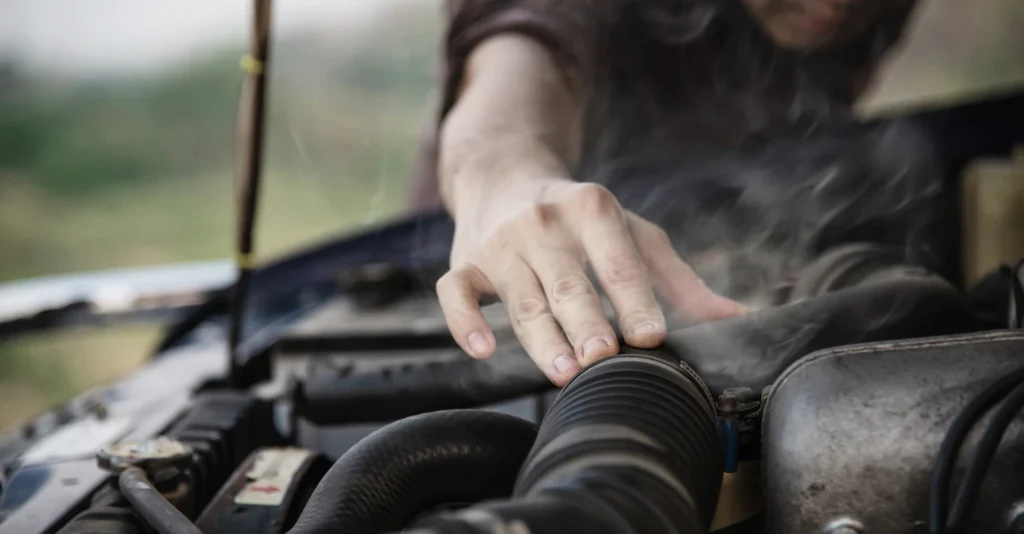
An overheating engine is one of the most serious warning signs your vehicle can display. Your engine is designed to operate within a specific temperature range, and when that temperature rises too high, it can affect performance and place excessive stress on critical engine components. Whether you’re sitting in traffic, driving on the highway, or towing a heavy load, an overheating engine should never be ignored.
If left unaddressed, excessive engine heat can lead to costly repairs, including damage to the head gasket, radiator, or even the engine itself. Recognizing the warning signs early and identifying the underlying problem can help prevent extensive damage and keep your vehicle running reliably. If your vehicle is showing signs of overheating, scheduling an auto repair near me service allows experienced technicians to inspect your cooling system and resolve the issue before it becomes more severe.
What Causes an Engine to Overheat?
An overheating engine can result from several problems within the cooling system or engine itself. Because multiple components work together to regulate engine temperature, a failure in any one of them can prevent heat from being removed efficiently. Understanding the most common causes of engine overheating helps drivers recognize potential problems before they lead to serious mechanical damage.
1. Low Coolant Level
Coolant absorbs heat from the engine and transfers it to the radiator, where it is released into the air. If the coolant level becomes too low due to leaks or lack of maintenance, the cooling system cannot remove enough heat from the engine. As temperatures continue to rise, the engine may begin overheating, especially during long drives or hot weather.
2. Cooling System Leaks
Leaks in the radiator, hoses, water pump, heater core, or coolant reservoir can gradually reduce the amount of coolant circulating through the engine. Even a small leak can lower coolant pressure and decrease the system’s ability to regulate engine temperature. Inspecting the cooling system regularly helps detect leaks before they result in overheating.
3. Faulty Thermostat
The thermostat controls the flow of coolant between the engine and the radiator. When it becomes stuck in the closed position, coolant cannot circulate properly, causing heat to build up inside the engine. A faulty thermostat often causes the engine temperature to rise quickly after starting the vehicle.
4. Radiator Problems
The radiator removes heat from the coolant before it returns to the engine. Dirt, debris, internal corrosion, or damaged radiator fins can restrict airflow or reduce cooling efficiency. When the radiator cannot dissipate heat effectively, engine temperatures continue to climb, and overheating becomes more likely.
5. Water Pump Failure
The water pump keeps coolant circulating throughout the cooling system. If the pump becomes worn, develops a leak, or its impeller fails, coolant flow is reduced or stopped entirely. Without proper circulation, the engine cannot maintain a safe operating temperature, increasing the risk of overheating.
6. Cooling Fan Malfunction
Cooling fans help pull air through the radiator when your vehicle is stopped or moving at low speeds. If the fan motor, relay, or temperature sensor fails, insufficient airflow reaches the radiator, preventing it from cooling the circulating coolant effectively. This problem is especially common during heavy traffic or extended idling.
What Are the Signs of an Overheating Engine?
Recognizing the signs of an overheating engine early can help prevent serious mechanical damage. When engine temperatures rise beyond normal levels, your vehicle may display several warning signs that indicate a problem with the cooling system.
- Temperature Gauge Rising Into the Red Zone: The temperature gauge on your dashboard is one of the first indicators of excessive engine heat. If the needle moves into the red zone or reaches a higher-than-normal position, it may indicate that the cooling system is unable to maintain proper engine temperature.
- Steam or Smoke Coming From Under the Hood: Visible steam coming from beneath the hood often means coolant is overheating and escaping from the cooling system. This is a serious warning sign that requires immediate attention to prevent further engine damage.
- Engine Performance Issues: An overheating engine may cause reduced power, slow acceleration, unusual noises, or difficulty maintaining normal performance. Excessive heat can affect important engine components and interfere with efficient operation.
- Warning Lights Appear on the Dashboard: Many vehicles have warning systems that alert drivers when engine temperatures become too high. If the temperature warning light or check engine light appears, the vehicle should be inspected as soon as possible.
- Coolant Leaking Under the Vehicle: Puddles or spots of coolant underneath your vehicle may indicate a leak in the radiator, hoses, water pump, or another cooling system component. Low coolant levels can quickly lead to engine overheating.
- Unusual Burning Smell: A sweet smell from leaking coolant or a burning odor from overheated engine components may indicate excessive heat buildup. These smells should not be ignored because they often point to cooling system problems.
What to Do When Your Car Overheats
Diagnosing an overheating engine requires identifying the specific component causing the cooling system failure. While some basic checks can help determine potential issues, a complete inspection may be necessary to find hidden leaks, damaged parts, or mechanical failures. Proper diagnosis helps prevent unnecessary repairs and protects your engine from long-term damage.
Check Temperature Gauge
The temperature gauge provides an early indication of how your engine is operating. Monitoring the gauge regularly can help you notice abnormal temperature changes before the engine reaches dangerous levels. If the gauge consistently runs hotter than normal, it may signal a cooling system problem that needs inspection.
Inspect Coolant Level
Checking the coolant reservoir can help determine whether low coolant is contributing to overheating. If the coolant level is below the recommended mark, there may be a leak or another issue preventing the system from maintaining proper fluid levels. Always check coolant levels when the engine is cool to avoid burns or injuries.
Look for Leaks
Inspecting the area beneath your vehicle and around cooling system components can help identify visible coolant leaks. Damaged hoses, cracked reservoirs, radiator issues, or water pump leaks can allow coolant to escape and reduce cooling performance. Identifying leaks early can prevent more severe overheating problems.
Schedule Professional Inspection
Some overheating problems are caused by internal failures that are difficult to identify without specialized equipment. Professional technicians can test cooling system pressure, inspect engine components, and determine the exact cause of overheating. A proper inspection ensures the necessary repairs are completed correctly and helps prevent future engine problems.
When Should You Be Concerned About an Overheating Engine?
An overheating engine can quickly develop into a serious problem if warning signs are ignored. Certain symptoms indicate that your vehicle may require immediate attention to prevent severe engine damage and costly repairs.
- Temperature Gauge in the Red Zone: If the temperature gauge moves into the red zone, it means your engine is operating at an unsafe temperature. Continuing to drive in this condition can damage important engine components and may result in major repairs.
- Steam Coming From Under the Hood: Steam or vapor coming from under the hood often indicates that coolant is overheating or leaking from the cooling system. This is a serious warning sign that requires immediate inspection to prevent further damage.
- Warning Lights Appear: If the temperature warning light or check engine light appears, your vehicle may be detecting excessive heat or a cooling system problem. Ignoring these warnings can allow a minor issue to become a major engine failure.
- Coolant Is Leaking: Visible coolant leaks under your vehicle or around engine components can prevent the cooling system from maintaining proper temperatures. Low coolant levels can quickly cause repeated overheating and increase the risk of engine damage.
If your vehicle is experiencing overheating issues, schedule a professional auto repair Houston service before the problem leads to major engine damage.
What Happens If You Ignore an Overheating Engine?
Ignoring an overheating engine can lead to serious mechanical problems that may require expensive repairs or even complete engine replacement. While an overheating issue may begin with a simple cooling system failure, continued driving can cause excessive heat buildup and damage critical engine components.
- Blown Head Gasket: Excessive engine heat can cause the head gasket to fail, allowing coolant and engine oil to mix. A damaged head gasket can lead to poor engine performance, coolant loss, and costly repairs.
- Warped Cylinder Head: High temperatures can cause the cylinder head to warp or become damaged. When this happens, the engine may lose compression, resulting in reduced power, rough operation, and additional repair costs.
- Engine Block Damage: Severe overheating can damage the engine block by causing cracks or permanent deformation. In many cases, this type of damage requires major engine repairs or replacement.
- Cooling System Failure: Continuous overheating places extra stress on cooling system components, including the radiator, hoses, thermostat, and water pump. Damaged components can create repeated overheating problems if they are not repaired properly.
- Complete Engine Failure: If overheating is ignored for too long, internal engine components may suffer irreversible damage. A complete engine failure can leave your vehicle undrivable and result in significantly higher repair expenses.
How Can You Help Prevent Engine Overheating?
Preventing engine overheating starts with regular maintenance and paying attention to your vehicle’s cooling system. Simple maintenance steps can help ensure coolant flows properly, components work efficiently, and your engine remains within its normal operating temperature range.
- Check Coolant Levels Regularly: Maintaining the correct coolant level helps your engine remove excess heat effectively. Checking coolant levels during routine maintenance can help identify leaks or fluid loss before they lead to overheating.
- Inspect the Cooling System: Regular inspections of the radiator, hoses, thermostat, water pump, and coolant reservoir can help identify worn or damaged components. Addressing small cooling system issues early can prevent larger engine problems.
- Replace Coolant When Needed: Over time, coolant can lose its ability to protect the engine from excessive heat and corrosion. Following your manufacturer’s recommended coolant replacement schedule helps maintain proper cooling system performance.
- Monitor Your Temperature Gauge: Keeping an eye on the dashboard temperature gauge allows you to notice overheating issues before they become severe. If the gauge consistently shows higher temperatures, your vehicle should be inspected.
- Avoid Driving With Cooling System Problems: Continuing to drive when your vehicle is overheating can cause significant engine damage. Addressing warning signs immediately helps prevent expensive repairs and keeps your vehicle operating safely.
- Schedule Routine Maintenance With a Professional Technician: Regular maintenance helps detect cooling system issues before they affect engine performance.
If you notice overheating symptoms, searching for an auto repair shop near me can help you find experienced technicians who can inspect and repair your vehicle.
Trust Eric’s Car Care to Diagnose Engine Overheating
An overheating engine requires accurate diagnosis and professional repairs to prevent long-term damage. At Eric’s Car Care, experienced technicians inspect your vehicle’s cooling system, identify the cause of overheating, and recommend the right repair solution to restore proper engine performance.
From coolant leaks and thermostat problems to radiator issues and water pump failures, our team has the expertise to handle a wide range of engine overheating concerns. Regular maintenance and timely repairs can help protect your engine, improve reliability, and prevent unexpected breakdowns.