
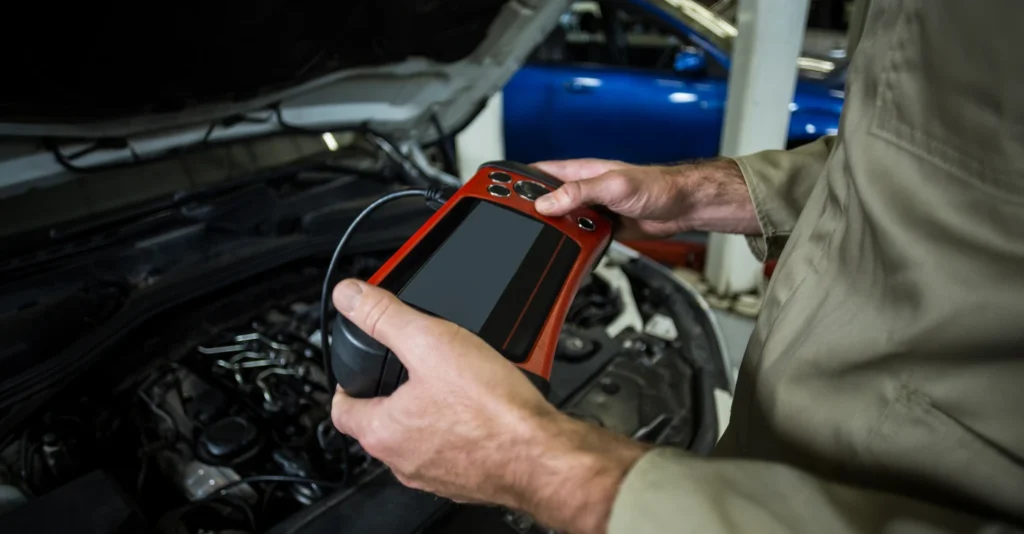
A check engine light can often be reset after the underlying problem has been identified and repaired. While a loose gas cap is a common cause, the warning may also point to issues with the engine, emissions system, or electrical components. Resetting the light without fixing the problem only clears the warning temporarily and can delay necessary repairs. If the warning light remains on, scheduling an auto repair Houston service can help identify the root cause and prevent further vehicle damage. A professional diagnostic inspection is the best way to determine the issue and ensure your vehicle is repaired correctly.
Check Engine Light Meaning
The check engine light is connected to your vehicle’s Onboard Diagnostics (OBD-II) system, which monitors key components to keep the engine running efficiently. When the system detects a fault, it stores a diagnostic trouble code (DTC) and turns on the warning light. The check engine light may indicate problems involving:
- Engine performance
- Emissions control system
- Oxygen and airflow sensors
- Fuel system
- Spark plugs and ignition components
- Electrical wiring and connectors
A solid check engine light often indicates a problem that should be inspected soon, while a flashing light usually signals a more serious issue requiring immediate attention. Even if the vehicle seems to drive normally, the warning should never be ignored.
Can You Reset a Check Engine Light Yourself?
In some cases, you can reset the check engine light yourself. However, doing so only clears the stored fault code, it does not repair the issue that caused the warning. If the original problem still exists, the light will usually return after the vehicle completes its self-diagnostic tests. Before clearing any codes, it’s a good idea to record them so they can help identify the problem if the warning comes back.
Ways to Reset Check Engine Light
There are several ways to reset the check engine light. Regardless of the method you choose, always diagnose and repair the problem before clearing the warning.
Use an OBD-II Scanner
Using an OBD-II scanner is the safest and most accurate way to reset the check engine light. Follow these steps:
- Turn off the engine.
- Locate the OBD-II port beneath the driver’s side dashboard.
- Connect the scanner.
- Turn the ignition to the “On” position without starting the engine.
- Read and record the diagnostic trouble codes (DTCs).
- Repair the problem identified by the codes.
- Clear the stored codes using the scanner.
- Restart the vehicle and check whether the warning light has turned off.
Most vehicles built after 1996 support OBD-II scanners. Basic scanners can read and erase fault codes, while professional diagnostic tools provide live sensor data and more detailed information, making it easier to identify the exact problem.
Disconnect the Car Battery
Disconnecting the battery is another method that may reset the check engine light. To do this:
- Turn off the vehicle.
- Disconnect the negative battery cable.
- Wait 15 to 30 minutes.
- Reconnect the cable securely.
- Start the vehicle.
This method may temporarily clear the warning, but it can also erase radio presets, clock settings, and the engine computer’s learned memory. If the underlying issue hasn’t been repaired, the light will usually return after the vehicle completes another system check.
Check the Gas Cap
A loose or damaged gas cap is one of the most common causes of a check engine light. If the cap doesn’t seal the fuel system properly, the vehicle may detect an evaporative emissions (EVAP) leak and illuminate the warning. Inspect the gas cap for damage, tighten it until it clicks, or replace it if necessary. After the repair, the check engine light may take several normal driving cycles to turn off as the onboard computer confirms the issue has been resolved.
Still have a check engine light? Search for auto repair near me so our technicians can diagnose and fix the issue quickly.
Is It Safe to Drive With Check Engine Light On?
Many drivers wonder how long can you drive with check engine light on, but the answer depends on the cause of the warning, whether the light is solid or flashing, and how the vehicle is performing. A check engine light should never be ignored because a minor issue can sometimes develop into a more serious and expensive repair problem.
- Solid Check Engine Light: Usually signals a non-emergency issue, such as a loose gas cap or faulty sensor. You can often drive for a short time, but schedule a diagnostic inspection as soon as possible.
- Flashing Check Engine Light: Often indicates a serious engine misfire that can damage the catalytic converter. Reduce speed, pull over when it’s safe, and have the vehicle inspected before continuing to drive.
How Long Does It Take to Reset Check Engine Light?
The time it takes for the check engine light to reset depends on how it was cleared and whether the underlying problem has been repaired. While the light may turn off immediately after using an OBD-II scanner, some vehicles require several normal driving cycles before the system confirms the repair.
- After Using an OBD-II Scanner: The light may turn off immediately if the fault has been repaired.
- After Normal Driving: The vehicle may need several drive cycles to complete self-tests and confirm the issue is resolved. If the problem remains, the light will come back on.
Should You Clear Check Engine Light Before Diagnosis?
It’s generally best not to clear the check engine light before diagnosing the problem. The vehicle stores diagnostic trouble codes that help identify the cause, and erasing them too soon can make repairs more difficult.
- Read the Codes First: Stored trouble codes help technicians accurately diagnose the issue.
- Avoid Clearing Too Early: Resetting the light before diagnosis can erase valuable information and make intermittent problems harder to find.
- Fix the Root Cause: Addressing the underlying issue prevents the warning light from returning.
Professional Check Engine Diagnostics
Although some check engine light issues can be minor, others require specialized diagnostic equipment to identify accurately. Professional diagnostics help determine whether the problem involves the engine, emissions system, ignition components, sensors, or electrical wiring before unnecessary parts are replaced.
At Eric’s Car Care, our technicians use advanced OBD-II diagnostic tools to read trouble codes, analyze live vehicle data, and accurately identify the source of the warning light. Once the problem has been diagnosed, we’ll explain the necessary repairs and provide honest recommendations so you can make informed decisions about your vehicle.