
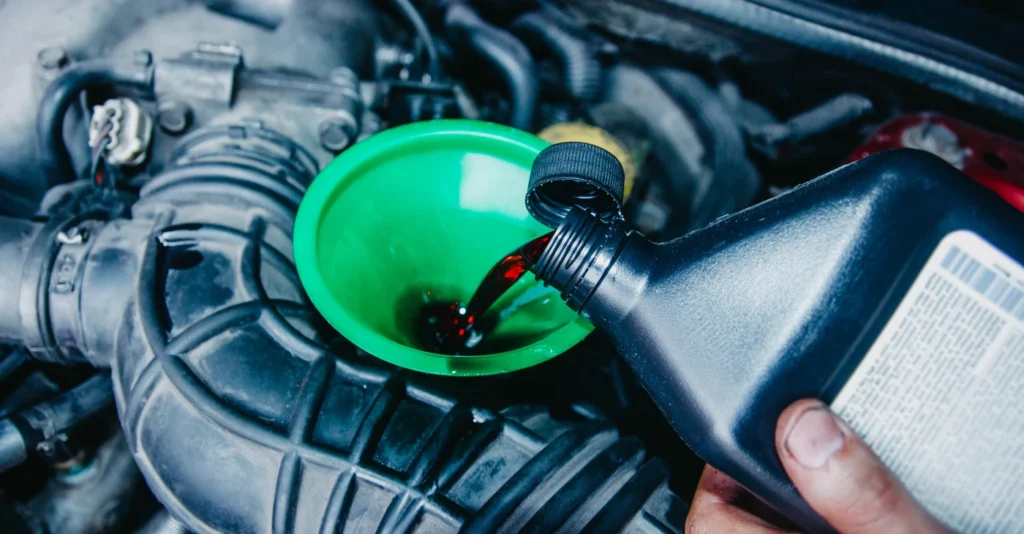
Power steering fluid is usually red, pink, amber, or clear, depending on your vehicle manufacturer and the type of fluid used. Some vehicles use dedicated power steering fluid, while others use automatic transmission fluid (ATF), which is why the color can vary. Although fluid color can provide clues about the condition of your steering system, it doesn’t always indicate a problem because different fluids have different appearances.
If you’re searching for auto repair near me, experienced technicians can inspect your power steering system, identify fluid leaks, check for contamination, and recommend the necessary repairs to keep your vehicle operating safely. Regularly checking your power steering fluid helps detect contamination, low fluid levels, and other issues early, helping you avoid steering problems and more expensive repairs down the road.
Power Steering Fluid Colors
Power steering fluid plays an important role in helping your vehicle’s steering system operate smoothly. If you are wondering what is power steering fluid, it is a hydraulic fluid that transfers pressure to make steering easier while also lubricating and helping cool key steering components. The fluid’s color and condition can provide valuable insight into its health and indicate whether it may need inspection, maintenance, or replacement.
Red or Pink Fluid
Red or pink power steering fluid is common in many ATF-based systems. Clean, bright fluid usually indicates good condition, but dark red fluid or a burnt smell may mean it needs inspection.
Amber or Light Brown Fluid
Amber or light brown fluid can be normal, especially with conventional power steering fluid. Slight darkening is expected with age, but a very dark color or unusual odor may indicate it needs replacement.
Dark Brown or Black Fluid
Dark brown or black fluid often means it has become old, overheated, or contaminated. This can reduce lubrication and increase wear on the power steering pump and other components.
Milky or Foamy Fluid
Milky or foamy fluid may indicate air or moisture contamination in the system. It can cause whining noises, reduced steering assistance, and increased stress on steering components, requiring inspection.
How to Check Power Steering Fluid
Checking your power steering fluid only takes a few minutes and can help identify steering system problems before they become costly repairs. Regular inspections can also help maintain smooth steering performance and extend the life of system components. In some cases, severely contaminated fluid or prolonged operation with low fluid levels can accelerate wear on the power steering pump, potentially leading to more extensive repairs such as replacing power steering pump components.
- Locate the Fluid Reservoir: Open the hood and find the power steering fluid reservoir, which is usually labeled “Power Steering” or marked with a steering wheel symbol. If you can’t locate it, refer to your owner’s manual.
- Check the Fluid Level: Most reservoirs have MIN and MAX markings or a dipstick attached to the cap. Make sure the fluid level is within the recommended range. If it’s consistently low, there may be a leak in the pump, hoses, steering rack, or reservoir.
- Inspect the Fluid Condition: Check that the fluid is clean and clear. If it appears dark, cloudy, contains debris, has a burnt smell, or feels unusually thick, it may be contaminated and should be inspected or replaced.
Bad Power Steering Fluid Symptoms
Old, contaminated, or low power steering fluid can reduce steering performance and place extra strain on your steering system. Recognizing these warning signs early can help prevent more serious and expensive repairs.
- Hard Steering: If you’re wondering why is my steering wheel hard to turn, low or degraded power steering fluid is one of the most common causes. When hydraulic pressure drops, the steering wheel becomes more difficult to turn, especially at low speeds or while parking.
- Whining or Groaning Noise: A whining or groaning sound when turning the steering wheel often means the power steering pump isn’t getting enough clean fluid. Low fluid, air in the system, or contaminated fluid are common causes.
- Power Steering Fluid Leak: Leaks often occur around the power steering pump, steering rack, pressure or return hoses, or reservoir connections. Ignoring leaks can lead to low fluid levels and steering system damage.
Leaks may leave red, pink, amber, or brown fluid beneath the front of the vehicle, depending on the type and condition of the fluid. Ignoring a leak can eventually lead to pump failure, steering difficulties, and more expensive repairs. In some cases, steering and suspension issues can develop together, making a professional suspension repair Houston inspection beneficial when diagnosing handling or steering concerns.
Notice a fluid leak? Our technicians can quickly identify and repair the issue. Book your service appointment today for expert assistance.
Can You Mix Power Steering Fluids?
Mixing different types of power steering fluid is generally not recommended unless your vehicle manufacturer specifically approves it. Using the wrong fluid can reduce system performance and potentially damage steering components.
- Different Fluid Formulas: Power steering fluids contain different additives, and mixing incompatible types can reduce lubrication, damage seals, or cause leaks.
- Some Vehicles Use ATF: Certain vehicles require automatic transmission fluid (ATF) instead of standard power steering fluid, so using the correct specification is essential.
- Check Before Adding Fluid: Always refer to your owner’s manual or consult a qualified technician to ensure you’re using the correct fluid for your vehicle.
Wrong Power Steering Fluid Effects
Using the wrong type of power steering fluid can damage your steering system, even if no immediate problems are noticeable. Over time, incorrect fluid can reduce lubrication, affect steering performance, and lead to costly repairs.
- System Damage: The wrong fluid can damage seals, hoses, and other internal steering components, leading to leaks and premature wear.
- Reduced Steering Performance: It may decrease steering assistance, make the wheel harder to turn, and place extra strain on the power steering pump.
- Costly Repairs: Continued use of incorrect fluid can result in premature steering system failure. Always use the manufacturer-recommended fluid for reliable performance.
Power Steering Fluid Change Interval
Power steering fluid doesn’t last forever, and replacement intervals vary by vehicle and driving conditions. Regular inspections help ensure the fluid remains clean and continues to protect the steering system.
- Replacement Varies: Some manufacturers recommend scheduled fluid changes, while others use long-life fluid designed to last longer under normal conditions.
- Factors That Affect Fluid Life: Driving habits, frequent stop-and-go traffic, towing, vehicle age, steering system condition, and high temperatures can all shorten fluid life.
- When to Replace It: If the fluid becomes dark, contaminated, or develops a burnt smell, it should be inspected and replaced to help prevent steering system wear.
Power Steering Maintenance Tips
Routine maintenance helps keep your power steering system operating smoothly and can reduce the risk of expensive repairs. Simple inspections and timely repairs go a long way in protecting key steering components.
- Check the power steering fluid level regularly and monitor its condition.
- Always use the manufacturer-recommended power steering fluid.
- Repair leaks promptly to prevent low fluid levels and system damage.
- Pay attention to whining, groaning, or other unusual steering noises.
- Schedule regular steering system inspections to identify problems early.
When to Check Your Power Steering System
Your steering system should be inspected if you notice any signs that the fluid or components may not be functioning properly. Schedule an inspection if:
- The power steering fluid becomes very dark or dirty.
- The steering wheel becomes difficult to turn.
- You hear whining, groaning, or squealing noises while steering.
- The fluid level continues to drop.
- You notice fluid leaking under the front of the vehicle.
Ignoring these warning signs can lead to reduced steering performance and additional damage to the power steering pump, hoses, or steering rack. Search for an auto repair shop near me if you notice any of these symptoms, as a professional inspection can help diagnose the issue early and prevent more costly steering system repairs.
Professional Power Steering Service
Professional Power Steering Service ensures your vehicle’s steering system stays smooth, safe, and reliable. If your power steering fluid appears contaminated or you notice steering difficulties, a professional inspection can help identify the issue early and prevent costly repairs.
At Eric’s Car Care, our skilled technicians provide complete steering system inspections, power steering fluid checks and maintenance, accurate leak diagnosis, and dependable steering system repair solutions to keep your vehicle performing at its best.