A full auto repair inspection gives you a closer look at your vehicle’s overall condition instead of focusing on just one component. It can help identify worn parts, developing problems, and maintenance needs before they turn into bigger repair concerns. If you’re looking for reliable auto repair Houston services, a thorough inspection can be a useful first step.
Whether you are preparing for a long trip, noticing changes in how your car drives, or simply keeping up with maintenance, a thorough inspection can give you a better understanding of what your vehicle needs.
What Is a Full Auto Repair Inspection?
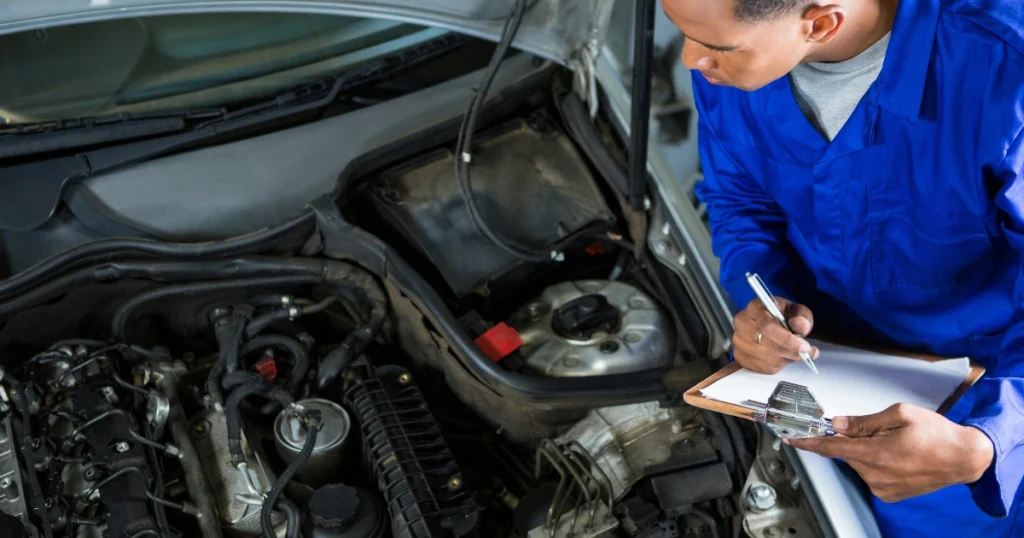
A full auto repair inspection is a comprehensive check of important vehicle systems and components. The exact items inspected can vary depending on the vehicle, its condition, and the reason for the inspection.
Eric’s Car Care offers a 40-point inspection that includes a courtesy check, while its broader automotive services cover areas such as brakes, engine, transmission, steering and suspension, electrical systems, cooling, fuel, exhaust, tires, and computer diagnostics.
What Is Included in a Full Auto Repair Inspection?
A thorough inspection can cover multiple areas of your vehicle. Some of the key components and systems may include:
1. Engine and Performance
The engine is one of the most important areas to evaluate during an inspection. Technicians can look for visible issues, signs of wear, leaks, or other conditions that may affect engine performance.
If your vehicle has symptoms such as difficulty starting, unusual noises, or reduced fuel efficiency, additional diagnostic testing may be recommended to determine the underlying cause. Eric’s Car Care lists engine repair and computer diagnostics among its services.
2. Brake System
Brakes require regular attention because they play a major role in stopping the vehicle. An inspection can look at components such as brake pads and rotors for signs of wear or damage.
Warning signs such as squeaking, longer stopping distances, or dashboard warning lights can indicate that your brakes need closer attention. Eric’s Car Care specifically offers brake inspections and brake repair services.
3. Tires and Wheels
Tires affect traction, handling, and overall driving performance. An inspection can check tire condition, tread wear, and signs of uneven wear that may point to alignment or suspension concerns.
Wheel alignment and tire services can also be important when a vehicle pulls to one side, or the tires are wearing unevenly. Eric’s Car Care provides tire services and wheel alignment.
4. Steering and Suspension
The steering and suspension systems help your vehicle handle properly and provide a controlled ride. Technicians can inspect components for signs of wear, damage, or other issues that may affect handling.
Bouncy rides, unusual noises, pulling to one side, and uneven tire wear can indicate that the suspension or steering system needs attention. Eric’s Car Care offers suspension inspections, steering repairs, shocks and struts service, and alignment services.
5. Fluid Levels and Leaks
Vehicle fluids support many essential systems, including the engine, brakes, cooling system, and transmission. An inspection can help identify low fluid levels or visible leaks that may require further attention.
Catching leaks early can help prevent fluid loss from developing into a larger mechanical problem. The appropriate fluids and service requirements vary depending on the vehicle.
6. Battery and Electrical System
Modern vehicles depend on electrical components for starting, charging, lighting, controls, and many other functions. An inspection can help identify visible electrical concerns or signs that a battery or related component needs attention.
If electrical symptoms are present, additional testing may be needed to determine whether the issue involves the battery, wiring, connections, or another component. Eric’s Car Care provides battery and electrical system services.
7. Cooling System
The cooling system helps regulate engine temperature. An inspection can look for signs of leaks, damaged components, or other conditions that may contribute to overheating.
Eric’s Car Care provides cooling system services and notes that issues such as low coolant, a faulty thermostat, a broken water pump, or a clogged radiator can contribute to overheating.
8. Transmission
The transmission is responsible for transferring power from the engine to the wheels and changing gears as needed. An inspection can help identify visible problems or symptoms that may require further testing.
Unusual shifting, noises, or other changes in transmission performance should not be ignored. Eric’s Car Care provides transmission repair services as part of its automotive offerings.
9. Computer Diagnostics
Many modern vehicles use onboard computers to monitor different systems and components. Computer diagnostics can retrieve stored trouble codes and provide useful information when a warning light appears or a performance problem develops.
Diagnostic information can help technicians determine which system requires further investigation rather than replacing parts based only on a warning code. Eric’s Car Care offers computer diagnostics as part of its services.
When Should You Get a Full Auto Inspection?
A full inspection can be useful in several situations. If you’re looking for reliable auto repair near me services, consider having your vehicle checked when:
- You notice unusual noises, vibrations, or handling changes.
- Your check engine light or another warning light comes on.
- You are preparing for a long road trip.
- Your vehicle has reached a recommended maintenance interval.
- You notice reduced fuel efficiency or performance.
- You recently purchased a used vehicle.
- You want to identify potential maintenance needs.
Eric’s Car Care recommends servicing vehicles when performance issues appear and before long trips, including checks of items such as oil, tires, brakes, fluids, and general vehicle condition.
How Often Should You Have Your Car Inspected?
The right inspection schedule depends on your vehicle, driving habits, mileage, age, and manufacturer recommendations. Routine inspections can be especially useful when your vehicle is approaching a scheduled maintenance interval.
You should also consider an inspection whenever you notice a new warning light, unusual noise, handling change, or other noticeable difference in how your vehicle operates.
What Happens After the Inspection?
After the inspection, the technician can explain any issues that were found and identify areas that may need attention. Some findings may require immediate repair, while others may simply need monitoring or future maintenance.
If additional testing is necessary, the technician may recommend diagnostic work to determine the exact cause of a problem. This approach can help avoid unnecessary repairs and focus attention on the components that actually need service.
Why Choose Eric’s Car Care for a Vehicle Inspection?
Eric’s Car Care provides a wide range of automotive services, including brake repair, engine repair, transmission service, steering and suspension work, electrical systems, cooling systems, wheel alignment, computer diagnostics, and more. Its website also highlights ASE-certified technicians and more than 50 years of experience serving Houston drivers.
Its 40-point inspection and courtesy check can provide drivers with a broader look at their vehicle’s condition. If the inspection identifies a concern, the shop can also provide related automotive repair and maintenance services.
Get a Complete Vehicle Inspection at Eric’s Car Care
A full auto repair inspection can give you a clearer picture of your vehicle’s condition and help identify maintenance or repair needs before they become larger concerns. From brakes and tires to the engine, suspension, fluids, electrical systems, and computer diagnostics, checking multiple systems provides a more complete view of your vehicle.
Eric’s Car Care provides comprehensive automotive services for Houston drivers, including its 40-point inspection and a wide range of repair and maintenance services. With locations in the Medical Center and Rice Village, drivers can have their vehicle inspected and receive professional guidance on the next steps.
Frequently Asked Questions
What does a full car inspection include?
A full inspection can cover major areas such as brakes, tires, fluids, engine, steering, suspension, electrical components, cooling systems, and other vehicle systems. The exact inspection depends on the vehicle and its condition.
Is a full auto inspection worth it?
A thorough inspection can help identify worn components and developing problems before they become more difficult to address. It can also give you a clearer picture of your vehicle’s current condition.
How long does a full car inspection take?
The time can vary depending on the vehicle, the inspection being performed, and whether additional diagnostic testing is needed.
Can an inspection find hidden car problems?
An inspection can identify visible signs of wear, damage, leaks, and other concerns. Some problems may require additional diagnostic testing to determine their exact cause.