
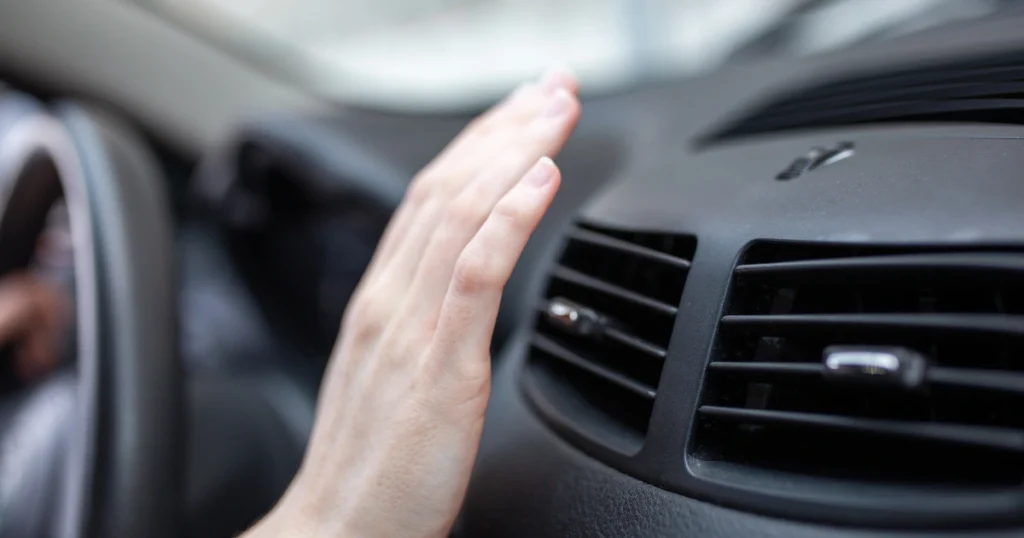
A car heater that blows cold air when you expect warmth can make driving uncomfortable, especially during colder weather. In most cases, the problem is related to the coolant, thermostat, heater core, or another part of the vehicle’s heating and cooling system. If you’re looking for reliable auto repair Houston services, getting the issue checked can help identify the cause.
Understanding the possible causes can help you identify what may be wrong and determine when your car needs professional attention. A heater that suddenly stops producing warm air may be a simple issue, but it can sometimes point to a problem within the cooling system. Knowing the warning signs can help you decide when a basic check is enough and when professional inspection is needed.
What Is a Car Heater?
A car heater is part of your vehicle’s heating and ventilation system that warms the cabin using heat generated by the engine. Hot engine coolant flows through the heater core, and the blower pushes air across it before sending warm air through the vents.
The heater also helps keep the windshield and windows clear by providing warm, dry air for defrosting. When the system is working properly, the cabin should gradually become warmer as the engine reaches its normal operating temperature.
How Does a Car Heater Work?
Your car heater uses heat produced by the engine to warm the cabin. As the engine runs, coolant absorbs heat and carries it through the cooling system. When you turn on the heater, hot coolant flows through the heater core, where air passes over it before entering the cabin.
If the coolant is not reaching the heater core properly or another component is not working correctly, the vents may blow cold or lukewarm air instead.
Why Is My Car Heater Blowing Cold Air?
Several issues can prevent your heater from producing warm air. The most common causes include:
Low Coolant Level
Low coolant is one of the common reasons a car heater may blow cold air. The heater core needs hot coolant to transfer heat into the cabin. If the coolant level is too low, there may not be enough hot coolant circulating through the heater core.
A low coolant level can also indicate a leak, so simply adding coolant may not solve the underlying problem.
Faulty Thermostat
The thermostat controls the flow of coolant through the engine as it warms up. If it becomes stuck open, the engine may take too long to reach its normal operating temperature.
When the engine stays too cool, the heater may produce little or no warm air.
Clogged Heater Core
The heater core transfers engine heat to the air entering your vehicle’s cabin. Over time, debris or buildup can restrict coolant flow through the heater core.
A restricted heater core may result in weak heat, uneven cabin temperatures, or cold air from the vents.
Cooling System Problems
Problems elsewhere in the cooling system can affect heater performance. Issues with coolant circulation, leaks, or other cooling system components may prevent the heater core from receiving the hot coolant it needs.
Because the heating and cooling systems work together, a heater problem can sometimes point to a larger cooling system issue.
Air Trapped in the Cooling System
Air pockets in the cooling system can interfere with proper coolant circulation. If hot coolant is not moving through the heater core as it should, the heater may blow cold or inconsistent air.
This can happen after certain cooling system repairs or when the system has a coolant leak.
Faulty Blend Door or HVAC Controls
The heating system also relies on doors and controls that direct air through the appropriate areas of the HVAC system. A faulty blend door or control can prevent heated air from reaching the cabin even when the engine is producing enough heat.
If the engine reaches normal temperature but the vents still blow cold air, the HVAC controls may need inspection.
Signs Your Car Heater Needs Attention
Cold air from the heater is not the only warning sign. If you notice these symptoms, your vehicle may need ac/ heater car repair to identify the underlying issue:
- Heater air remains cold even after the engine warms up.
- The heat becomes warm and then turns cold while driving.
- The engine temperature changes unexpectedly.
- Coolant levels continue to drop.
- You notice coolant leaking under the vehicle.
- The temperature gauge does not reach its normal range.
- The heater produces inconsistent or weak airflow.
Pay attention to these symptoms together rather than treating the cold air alone as the complete diagnosis. If several signs appear at the same time, a professional inspection can help determine whether the problem involves the heater, cooling system, or another component.
Can You Drive With a Car Heater Blowing Cold Air?
Sometimes a heater problem may only affect cabin comfort, but it can also be connected to a cooling system issue. Low coolant, coolant leaks, or overheating-related problems should not be ignored. If your vehicle is overheating, the temperature warning light comes on, or you notice a significant coolant leak, stop driving and have the vehicle inspected as soon as it is safe to do so.
When Should You Get Your Car Heater Inspected?
Consider having your vehicle checked if the heater consistently blows cold air, the problem keeps returning, or you notice other cooling system symptoms. A professional inspection can help determine whether the issue is caused by low coolant, a thermostat, heater core restriction, HVAC controls, or another component. Identifying the underlying problem can also help prevent a small issue from developing into a more expensive repair.
How to Prevent Car Heater Problems
Regular maintenance can help keep your vehicle’s heating and cooling systems working properly. Follow your vehicle manufacturer’s recommended maintenance schedule and pay attention to changes in coolant levels, engine temperature, and heater performance.
Addressing leaks, unusual temperature changes, and other cooling system symptoms early can help protect the engine and keep the heating system functioning properly.
Professional Heating and Cooling System Service at Eric’s Car Care
A car heater that blows cold air can have several possible causes, and the right repair depends on identifying the underlying problem. Checking the cooling system, coolant circulation, heater core, thermostat, and HVAC controls can help pinpoint the source.
At Eric’s Car Care, professional technicians can inspect your vehicle and help determine why the heater is not producing the expected heat. A proper diagnosis can help you understand the repair needed and get your vehicle’s heating system back to normal.
Frequently Asked Questions
Why is my car heater blowing cold air when the engine is hot?
If the engine reaches normal temperature but the heater continues blowing cold air, possible causes include low coolant, a clogged heater core, trapped air, or a problem with the HVAC temperature controls.
Why does my car heater blow warm air sometimes and cold air other times?
Inconsistent heat can be caused by low coolant, restricted coolant flow, air in the cooling system, or problems with the thermostat or heater controls. A proper inspection can help identify the cause.
Can low coolant cause my heater to blow cold air?
Yes. Low coolant can reduce the amount of hot coolant reaching the heater core, which can prevent the system from producing warm air. A low coolant level should also be checked for possible leaks.
How long does it take for a car heater to get warm?
The heater typically becomes warm as the engine reaches its normal operating temperature. If the engine warms up normally but the heater remains cold, the heating or cooling system may need to be inspected.
Does a bad thermostat affect the car heater?
Yes. A thermostat that is stuck open can prevent the engine from reaching its normal operating temperature, which may result in insufficient heat from the cabin vents.