
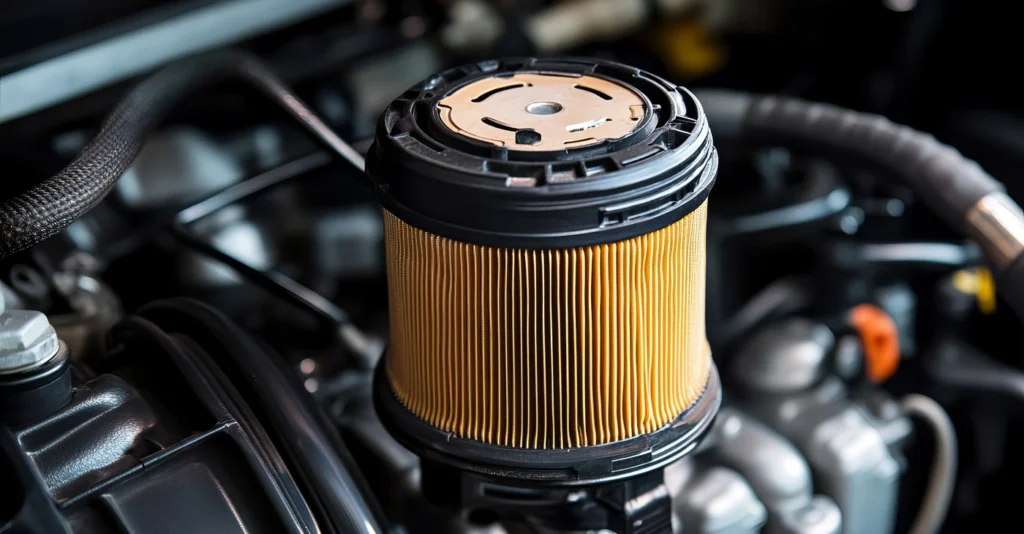
Choosing the right oil filter for your vehicle is essential for protecting your engine and keeping it running smoothly, but with so many options available, it’s normal to ask, What oil filter do I need? The correct oil filter depends on several factors, which we’ll cover in this blog, and using the wrong one can reduce performance or even cause long-term engine damage.
In this blog, we’ll break down how to identify the right filter for your vehicle, which specifications matter most, and how to make a confident, informed choice every time you change your oil.
If you prefer to trust the experts, simply search auto repair near me and visit our auto repair Houston shop. If you need to change your oil filter immediately, visit our oil change Houston page to get it done with care.
Why the Right Oil Filter Is Important
The right oil filter is important because it keeps your engine oil clean by trapping dirt, metal particles, and debris. Clean oil helps engine parts move smoothly, reduces wear and tear, and prevents damage over time. Using the correct oil filter also ensures proper oil flow and pressure, helping your engine run better, last longer, and avoid costly repairs.
How to Find the Correct Oil Filter for Your Vehicle
Choosing the right oil filter is more than just picking one that fits. These steps will help you select a filter that matches your vehicle, driving habits, and oil type.
1. Check Your Vehicle Owner’s Manual
Start with your owner’s manual. It tells you the oil filter size and type recommended by the manufacturer. This ensures the filter fits correctly and maintains proper oil flow and pressure.
2. Use an Online Oil Filter Lookup Tool
Auto parts websites let you search by your car’s year, make, model, and engine size. This is a quick way to find oil filters that are compatible with your vehicle.
3. Consider Your Driving Style and Oil Type
Your driving habits matter. If you drive in heavy traffic, take short trips, tow loads, or drive in hot or cold conditions, you may need a higher-quality oil filter. Also, if you use synthetic oil, choose a filter designed to last longer and handle extended oil change intervals.
4. Look for Important Oil Filter Features
Not all oil filters are the same. Pay attention to these key features:
- Anti-Drain Back Valve: This prevents oil from draining out of the filter when the engine is off, helping protect your engine during cold starts.
- Filter Media: This is the material inside the filter that traps dirt and debris. High-quality filter media cleans oil more effectively and allows proper oil flow.
5. Check Your Current Oil Filter
If possible, look at the oil filter already on your vehicle. The part number printed on it can help you find the same or a compatible replacement.
6. Ask a Professional If You’re Unsure
If you’re still unsure which oil filter to choose, a professional mechanic or auto repair shop can recommend the right option based on your vehicle and driving conditions.
What Type of Oil Filter Do I Need?
Oil filters come in different types, and choosing the right one depends on your vehicle, oil type, and driving habits. Below is a simple breakdown to help you understand your options and pick the best oil filter for your car.
1. Spin-On Oil Filters
Spin-on oil filters are the most common type used in many vehicles. They come as a sealed unit and are easy to install and replace.
Best for:
- Most older and modern vehicles
- Regular oil changes
- DIY oil changes
Why choose it?
They’re affordable, widely available, and reliable for everyday driving.
2. Cartridge Oil Filters
Cartridge oil filters use a replaceable filter element and fit inside a reusable housing. These are common in newer vehicles.
Best for:
- Many modern cars
- Drivers looking for a more eco-friendly option
Why choose it?
Only the filter media is replaced, which creates less waste and often allows for better oil filtration.
3. High-Performance Oil Filters
High-performance oil filters are designed for better filtration and longer service life. They usually have stronger filter media and better internal components.
Best for:
- Synthetic oil users
- High-mileage or performance vehicles
- Extended oil change intervals
Why choose it?
They offer improved engine protection and can handle tougher driving conditions.
4. Magnetic Oil Filters
Magnetic oil filters use magnets to attract and capture metal particles in the oil.
Best for:
- Extra engine protection
- Older or high-mileage engines
Why choose it?
They help trap metal debris that standard filters may miss, adding an extra layer of protection.
What Size Oil Filter Do I Need?
When people ask about oil filter size, they often think it only refers to how big the filter looks. In reality, oil filter size includes several technical details that are critical for proper engine protection.
1. Thread Size
The thread size is the part of the oil filter that screws onto the engine block. It must match perfectly. If the thread size is wrong, the filter may not tighten correctly, which can cause oil leaks or the filter coming loose while driving. In some cases, oil may not flow properly, leading to engine damage.
2. Gasket Diameter
The gasket is the rubber seal at the top of the oil filter. Its diameter must align with the sealing surface on the engine. If the gasket is too small or too large, it won’t seal properly. This can cause oil to leak, especially when the engine is running or under pressure.
3. Filter Length and Diameter
The length and overall diameter of the oil filter affect both oil capacity and physical clearance. A filter that’s too long may not fit in the available space and could hit nearby components. A filter that’s too short may reduce oil capacity and limit how much oil is being filtered, which can affect engine performance over time.
Even small differences in oil filter size can lead to low oil pressure, oil leaks, or poor filtration. That’s why it’s always important to use an oil filter designed specifically for your vehicle’s engine.
Book a Professional Oil and Filter Change in Houston
Choosing the right oil filter plays a key role in protecting your engine, improving performance, and extending your vehicle’s life. If you’re still wondering what oil filter do I need, the safest choice is to trust experienced professionals who understand your vehicle’s exact requirements.
At Eric’s Car Care, we make oil and filter changes simple and stress-free. Our ASE-Certified Technicians use high-quality oils and filters designed to match your engine and driving needs. If you’re looking for a reliable oil change in Houston, visit Eric’s Car Care for expert service you can trust and the peace of mind your car deserves.