
Feeling your car vibrate when braking is not only unsettling but also a sign that something in your braking, suspension, or wheel system needs attention. If you’ve ever asked, “Why does my car vibrate when I brake?”, you’re experiencing a common issue that can arise from tire imbalance, rotor problems, or worn components, often requiring inspection at a trusted auto repair Houston service. These vibrations may start small, but ignoring them can lead to costly repairs and reduced safety.
Often, the vibration becomes more noticeable at certain speeds or when stopping suddenly. Whether your car vibrates when braking at high speeds or you’re dealing with subtle steering shakes in daily traffic, it’s essential to understand the underlying cause. In many cases, worn brake pads or warped rotors are the main reason for car vibration when braking, so it’s important to visit a professional for brake repair services to replace these components and restore smooth, safe stopping power.
If you’re searching for ‘auto repair near me,’ we’re here to help — book your service today.
What Causes Car to Vibrate When Braking
There are several mechanical reasons your car vibrates when braking, ranging from simple tire issues to deeper brake system faults. Each problem produces a slightly different type of car vibration when braking, helping narrow down the source. Below are the most common culprits behind car shaking when braking and what to look for.
1. Worn or Unbalanced Tires
Tires naturally wear over time, but uneven wear, tire damage, or weight imbalance can create shaking. These issues often cause the steering wheel to tremble, especially when braking at higher speeds. Because your tires are the only point of contact with the road, any irregularity can contribute to noticeable car vibraton when braking.
When tires are out of balance, they rotate unevenly, increasing vibrations through the suspension and the steering wheel. This becomes more pronounced when applying the brakes, particularly on highways. If your car vibrates when driving or the wheel wobbles when slowing down, poorly balanced or worn tires may be the problem.
Also Read: Do I need an alignment with new tires?
2. Warped Brake Rotors
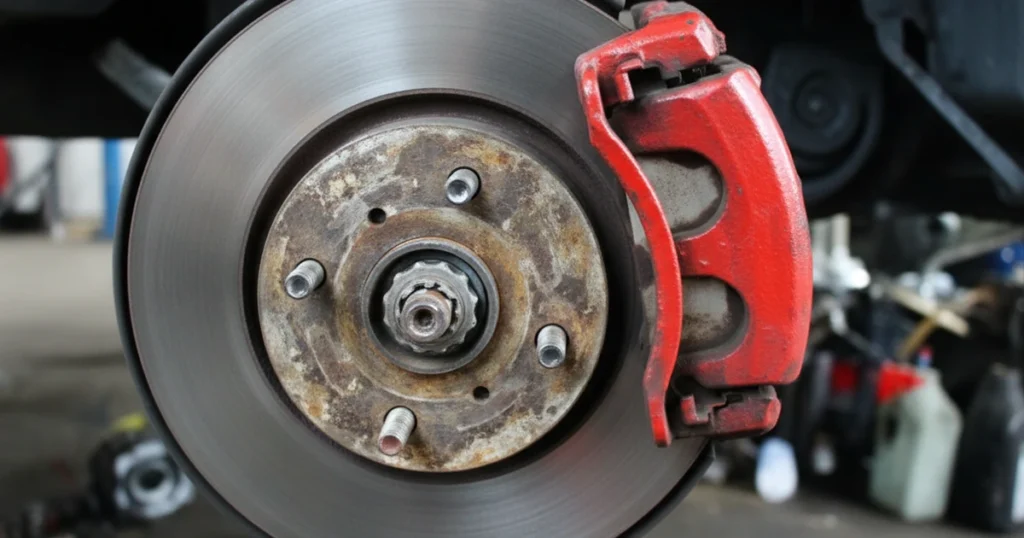
Brake rotors are flat metal discs that your brake pads clamp onto to stop the vehicle. Over time, heat, aggressive braking, or worn pads can distort the rotors, creating uneven surfaces. This unevenness leads to brake shudder, causing the vehicle to wobble or pulse as you slow down. It is one of the most common reasons cars shudder when braking or the front end vibrates.
If you feel front-end vibration when braking, especially at high speeds, warped rotors are likely the culprit. With uneven rotor contact, the brake pedal may also pulse under your foot, a key sign when determining how to tell if rotors are warped. Replacing or resurfacing the rotors usually resolves this issue.
Signs include:
- Steering wheel vibration while braking
- Pulsing brake pedal
- Longer stopping distance
3. Worn or Contaminated Brake Pads
Brake pads press against rotors to provide stopping power, but if they wear unevenly or become contaminated with dirt, oil, or moisture, they can’t create smooth contact. This leads to inconsistent braking pressure, causing noticeable car shuddering when braking or brake noise. Pad wear is a normal part of driving, but should be addressed promptly.
Contaminated pads can also cause car wobbles when braking because the friction material cannot grip properly. This can increase stopping distance, make braking feel weak, and create high-pitched squeaks. Knowing how long brake pads typically last is important so you can replace them in time, preventing further damage to the rotor and stopping the shaking.
4. Sticking or Faulty Brake Calipers
Calipers house the brake pads and apply pressure to the rotors. When the calipers stick or fail, they can clamp unevenly, creating friction on one side that leads to car shaking when braking. Overheating may follow, and in some cases, the vehicle may begin pulling to one side. These are common bad caliper symptoms that should be taken seriously.
If ignored, stuck calipers can damage your pads and rotors, leading to costly repairs. You might also notice a burning smell or stronger vibration when braking as heat builds. Fixing or replacing the faulty caliper typically eliminates the shaking and restores smooth, even braking.
Signs include:
- Burning smell
- Pulling to one side
- Increased vibration when braking
5. Poor Wheel Alignment
Misalignment occurs when wheels are no longer pointed in the same direction. Hitting potholes, curbs, or general wear can throw your alignment off, leading to instability. When this happens, your car trembles when braking, especially at high speeds. The steering may feel loose, and the vehicle might drift while driving.
Poor alignment causes uneven tire wear, reducing performance and increasing vibration. As a result, you may feel the steering wheel shake when braking at high speed or notice that braking doesn’t feel as controlled. Realignment restores smoothness and reduces shaking while braking.
6. Worn Suspension or Steering Components
Suspension and steering components like ball joints, tie rods, and bushings help maintain stability. When these parts wear out, they allow excess movement and looseness, causing the car to shimmy when braking. You might hear clunking sounds over bumps or feel a wheel shudder when braking.
Because these components directly affect handling, wear can make the vehicle difficult to control, especially while stopping. This often contributes to shaking while braking and even car shaking while driving on uneven roads. Replacing worn suspension or steering parts brings stability back.
Symptoms:
- Clunking noises over bumps
- Wheel shudder when braking
- Increased shaking while braking
How to Fix Car Vibration When Braking
Fixing vibration when braking depends on the diagnosis. Professionals inspect braking, tires, and suspension to pinpoint the issue. Replacing worn brake pads, resurfacing or replacing warped rotors, and balancing tires are common solutions that stop the vibration and restore smooth braking.
In other cases, you may need wheel alignment or repairs to worn suspension or brake components. Addressing these issues early prevents further damage and helps eliminate brake shake when braking, making your drive safer and more comfortable.
Common fixes:
- Replace or resurface warped rotors
- Replace brake pads
- Balance or replace tires
- Correct wheel alignment
- Replace faulty calipers
- Repair suspension components
Schedule a Brake Inspection Today
If your car vibrates when you brake, especially at higher speeds, it’s time to schedule a brake inspection. Prompt service helps identify whether the shaking stems from brakes, alignment, or suspension issues before they worsen. Putting off repairs could increase costs and compromise your safety.
A qualified mechanic can diagnose the root cause, restore proper braking performance, and help prevent future issues. For reliable service and expert attention to car vibration issues, visit Eric’s Car Care. Our team can quickly assess your brakes, alignment, and suspension to get your vehicle running smoothly again. Don’t wait for the vibration to intensify; ensure your car stays safe and comfortable on the road.