
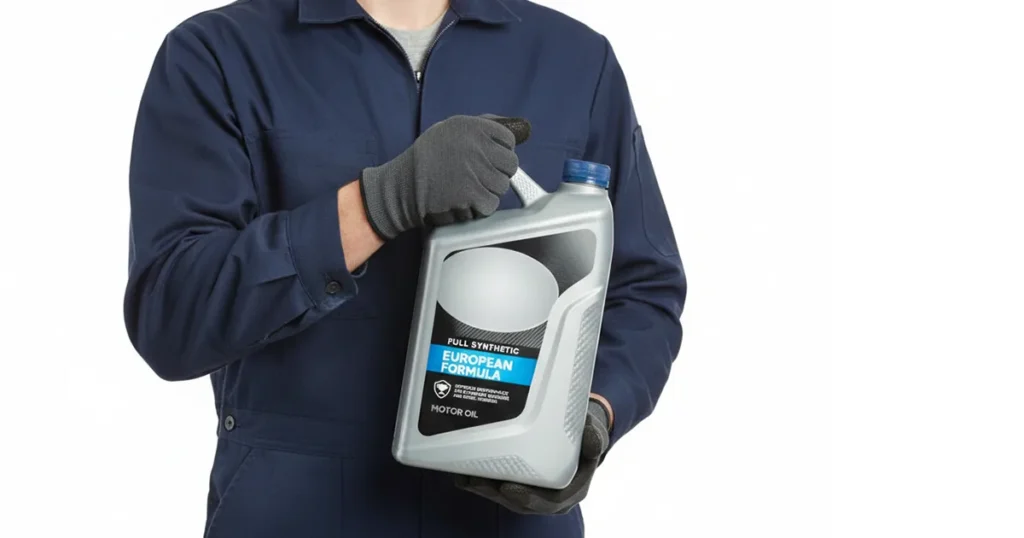
Modern engines keep evolving fast, which leaves many drivers unsure about which motor oil actually fits their vehicle. If you’ve ever wondered, “Can you use European oil in American cars?”, you’re definitely not alone. Many car owners see European oil formulas on shelves and aren’t sure whether these high-spec blends work for vehicles built in the U.S. The short answer: yes, you often can, but only when the oil meets your car’s required specifications.
As automotive experts, we’ve worked with dozens of oil standards and manufacturer requirements, and we know how confusing these labels can look. If you’re in Houston, scheduling an oil change in Houston at a trusted auto repair Houston shop ensures your car gets the right European or American oil, matched precisely to your engine’s needs.
By the end of this blog, you’ll know exactly when European oil is safe, when it’s not, and how to choose the right formula for your American-made engine.
If you’re searching for ‘auto repair near me,’ we’re here to help — book your service today.
Can You Use European Oil in American-Based Cars?
Yes, you can use European oil in American cars, but only if the oil meets the exact viscosity and specifications recommended in your owner’s manual. European oils follow different standards and additives, so it’s important to match the oil to your vehicle’s needs before pouring it in.
European formulas work well in many modern engines, especially turbocharged or high-performance vehicles. But using the wrong type, particularly formulas designed for diesel particulate filters or ACEA-specific needs, may reduce performance, affect engine cooling, or increase wear over time.
What Makes European Oil Different?
European motor oils follow ACEA standards, which differ from the API and ILSAC standards used in most American gasoline engines. ACEA oils often contain higher detergency, stronger resistance to heat, and additives meant for long-drain intervals common in European vehicles.
These oils also support:
- High-performance turbocharged engines
- Direct-injection systems
- Engines with strict emission components
- Longer oil change intervals
While these benefits sound great, they may not always match what your American car needs, especially if you perform frequent oil changes in the car or drive in extreme conditions.
European Oil vs. American Oil: Key Differences
When it comes to engine oil, not all oils are created equal. European and American oils are formulated to meet different standards, performance needs, and vehicle requirements. Understanding these differences helps ensure your car runs smoothly and maintains long-term engine health.
1. Oil Standards
- Europe: ACEA A/B, C-series
- U.S.: API SP, ILSAC GF-6A/GF-6B
European oils focus on high-heat protection and extended drain intervals, while U.S. oils lean toward fuel efficiency and low-ash formulas for catalytic converters.
2. Additive Packages
European oils include robust detergents and anti-wear additives to handle high-performance and turbocharged engines. While these additives protect against sludge and wear, they can be too strong for some American vehicles that require low-SAPS (sulfated ash, phosphorus, sulfur) formulas to protect emissions systems. Always check your car’s manufacturer’s recommendation before switching.
3. Viscosity Differences
Viscosity affects how oil flows at different temperatures. European cars often use thicker oils like 0W-40 or 5W-40 for high-temperature stability, whereas American cars typically require thinner oils like 0W-20 or 5W-20 to improve fuel efficiency. Using the wrong viscosity can impact engine performance and long-term durability.
When It’s Safe to Use European Oil in American Cars
You can confidently use European motor oil in your American vehicle when it meets these conditions:
- It matches the viscosity listed in your owner’s manual
- It carries the correct API or ILSAC certification
- It doesn’t conflict with your car’s catalytic converter or emissions system
- Your engine is turbocharged, high-heat, or performance-oriented
- Your vehicle allows a wider range of approved oil formulas
For example, many American-made performance cars, Corvettes, Mustangs, and Dodge SRT models can work well with high-quality European oils. Ensuring the right oil also prevents issues like car leaking oil or engine overheating.
When You Should NOT Use European Oil
Avoid using European oil if:
- It doesn’t meet your vehicle’s API/ILSAC requirement
- The viscosity doesn’t match what the manufacturer recommends
- The oil is labeled ACEA C1, C2, or C3 but your car requires a low-viscosity GF-6 formula
- You drive a hybrid or fuel-efficient American sedan requiring ultra-thin oils
Using the wrong oil can lead to higher engine wear, reduced fuel economy, or warranty issues.
How to Check If European Oil Works for Your Car
Check your owner’s manual and match the oil’s viscosity and certifications. If the European oil meets those specs, it’s safe to use.
How to Verify
Look for these on the bottle:
- API rating (SP, SN, SN Plus)
- ILSAC mark
- Manufacturer approvals (GM Dexos, Ford WSS-M2C930-A/B, Chrysler MS specs)
- Correct viscosity like 5W-30 or 0W-20
If the oil meets all these criteria, you can safely use it during your next oil change take or routine maintenance.
Benefits of Using European Oil in American Cars
If the oil is compatible, you can enjoy strong advantages, including:
- Better resistance to extreme heat
- Stronger protection for turbochargers
- Enhanced high-RPM stability
- Cleaner engine operation due to robust detergents
- Longer protection during extended drives
These benefits often appeal to drivers who push their engines harder or live in hotter climates.
Which American Cars Commonly Accept European Oil?
Many American models with high-performance or turbo engines accept ACEA-style oils, such as:
- Chevrolet Corvette
- Ford Mustang 5.0 or EcoBoost models
- Dodge Hellcat and SRT vehicles
- Jeep Grand Cherokee SRT or Trackhawk
- GM vehicles requiring Dexos2 5W-30
Always confirm by checking the oil cap or owner’s manual.
What Happens If You Use the Wrong Oil?
Using the wrong oil may not cause immediate engine failure, but it can lead to gradual problems over time. Incompatible European oils in American cars can break down faster, reduce fuel efficiency, and increase engine noise, affecting daily performance.
Long-term use may also cause carbon buildup in direct-injection engines and premature wear on timing components. Following your car manufacturer’s oil specifications ensures optimal protection, efficiency, and longevity for your engine.
Trust Eric’s Car Care to Find the Right Oil for Your Vehicle
Choosing the right oil for your car is essential for performance, fuel efficiency, and engine longevity. Using European oil in American cars can be safe in some cases, but only if the specifications match your vehicle’s requirements. Avoid costly mistakes by following manufacturer recommendations and understanding the differences between oil types.
At Eric’s Car Care, our experienced ASE-certified technicians provide personalized guidance to help you pick the perfect oil for your engine. Whether it’s European or American formulas, we make sure your car gets the protection it needs. Stop by or contact Eric’s Car Care today for expert advice and keep your engine running smoothly.