
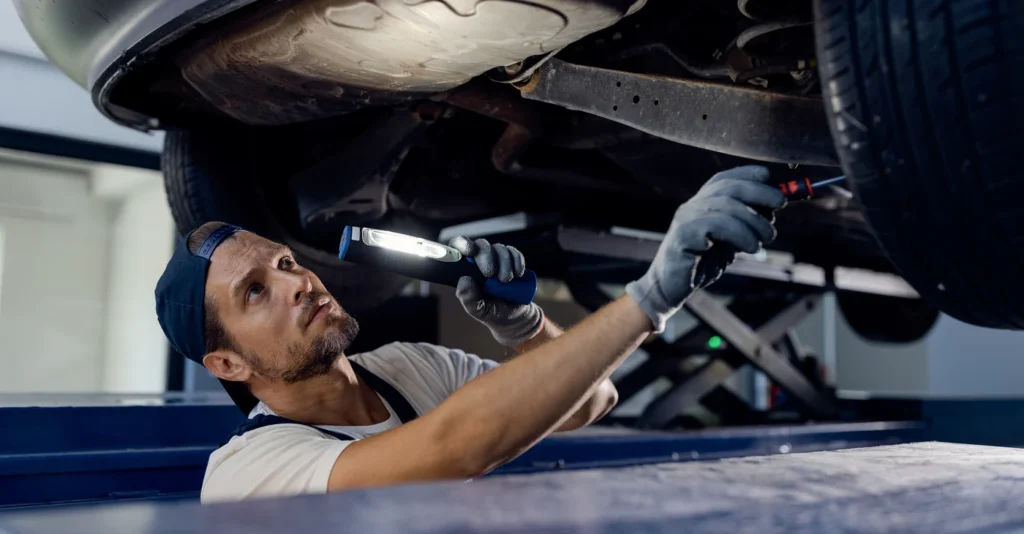
If you’ve noticed your car suspension squeaking every time you drive over bumps, potholes, or rough roads in Houston, you’re not alone. Suspension squeaks are one of the most common warning signs drivers hear before larger suspension problems develop. In some cases, the issue is minor, but worn suspension parts can also affect ride comfort, handling, and safety.
Ignoring the noise can lead to uneven tire wear, unstable steering, and expensive repairs down the road. If you’ve been searching for “suspension repair near me,” understanding the causes of suspension squeaks can help you know when it’s time to have your vehicle inspected by a trusted local mechanic.
What Causes Suspension to Squeak
Your suspension system includes several moving parts that absorb shocks and keep your ride smooth. Over time, these parts wear down, dry out, or lose lubrication, leading to squeaking noises when the suspension flexes over bumps. According to NHTSA, suspension problems can also contribute to uneven tire wear and reduced vehicle stability, especially during braking or turning.
1. Worn Suspension Bushings
Suspension bushings are rubber cushions placed between metal suspension parts to reduce friction and vibration. As they age, heat, moisture, and road debris cause the rubber to crack or dry out.
Common signs of worn bushings include:
- Squeaking over speed bumps
- Creaking noises during turns
- Excessive vibration while driving
- Rougher ride quality
2. Dry Ball Joints and Control Arms
Ball joints and control arms help your wheels move smoothly as the suspension absorbs bumps and road movement. These parts rely on proper lubrication to reduce friction between metal components. When the lubrication dries out or the parts begin to wear, you may start hearing squeaking noises while driving slowly or turning the steering wheel.
In more advanced cases, the suspension may produce clunking sounds over uneven roads, and the steering can start to feel loose or unstable. While a small squeak may not seem serious at first, worn ball joints can become a major safety concern if they are not repaired promptly.
3. Squeaky Shock Absorbers or Struts
Shocks and struts control how your vehicle reacts to bumps and road impacts. When internal seals wear out, or mounting hardware becomes loose, squeaking or creaking sounds can develop.
Bad shocks or struts may also cause:
- Excessive bouncing
- Nose-diving during braking
- Longer stopping distances
- Poor handling in wet conditions
The Car Care Council recommends having suspension components inspected regularly because worn shocks can reduce overall vehicle control.
Read More: Difference Between Shocks and Struts
4. Stabilizer Bar Links and Mounts
Stabilizer bars, also known as sway bars, help keep your vehicle balanced and stable while turning or driving on uneven roads. When sway bar links or bushings become worn or dry, they can create squeaking noises as the suspension moves.
Drivers often notice the sound most when turning corners, driving over potholes, entering parking lots, or crossing rough pavement. Although these components are relatively small, they play an important role in maintaining vehicle stability and reducing body roll during turns.
Read More: Bad Sway Bar Link Symptoms
5. Lack of Lubrication
Many suspension parts rely on lubrication to move smoothly and reduce friction. Over time, grease can dry out, wash away, or become contaminated with dirt and debris. When this happens, components such as ball joints, bushings, and sway bar links may begin to squeak as metal and rubber parts rub together. While re-lubrication can sometimes eliminate the noise, persistent squeaking may indicate underlying wear that requires repair or replacement.
Car Suspension Squeaking Warning Signs
A squeak is often the first warning sign of suspension trouble. As components wear further, other symptoms usually appear.
1. Clunking, Bouncing, or Uneven Tire Wear
Watch for these warning signs:
- Clunking noises over bumps
- Vehicle bouncing excessively after dips
- Uneven tire tread wear
- Front-end vibration at higher speeds
These symptoms often mean suspension parts are severely worn and need immediate attention.
2. Steering Feels Loose
Damaged suspension components can make steering feel less responsive. Your car may wander slightly on the highway or feel unstable during lane changes. Loose steering should never be ignored because it affects overall vehicle control and driver safety.
3. Car Pulls to One Side Over Bumps
If your car shifts or pulls after hitting bumps, the suspension or wheel alignment may be uneven. Worn control arms, bushings, or struts commonly cause this issue. In many cases, suspension problems and alignment issues are closely connected, so both systems should be inspected to identify the root cause.
How to Fix Squeaking Suspension
Fixing a squeaking suspension starts with identifying the source of the noise. While some squeaks can be resolved with simple maintenance, others may require replacing worn components. The following steps can help address the problem and restore a quieter, smoother ride.
Lubricate Dry Suspension Parts
- Step 1: Identify the source of the squeaking noise.
- Step 2: Inspect suspension components such as ball joints, bushings, and sway bar links for signs of dryness.
- Step 3: Apply the appropriate lubricant to the affected parts.
- Step 4: Test drive the vehicle to see if the noise improves.
Replace Worn Suspension Parts
- Step 1: Have the suspension system inspected for damaged or worn components.
- Step 2: Identify parts that need replacement, such as bushings, ball joints, shocks, or struts.
- Step 3: Replace the faulty components with quality replacement parts.
- Step 4: Verify that the squeaking noise is gone and the vehicle handles properly.
If the squeaking doesn’t go away, have your vehicle inspected by a professional. If you’re searching for auto repair near me, an expert can diagnose the issue and recommend the right repair before it gets worse.
Fix Car Suspension Squeaking at Eric’s Car Care
A squeaking suspension may seem minor at first, but it can quickly turn into larger steering, tire, or handling problems if left untreated. Whether the issue comes from worn bushings, failing struts, or dry ball joints, addressing car suspension squeaking early can help keep your vehicle safe, stable, and comfortable on the road.
If you’re in Houston or West University, Texas, Eric’s Car Care has been helping local drivers since 1970 with trusted suspension diagnostics and repairs. Our ASE-Certified technicians bring over 50 years of experience, and a 3-year/36,000-mile warranty backs every qualifying repair for added peace of mind. Visit our website today.