
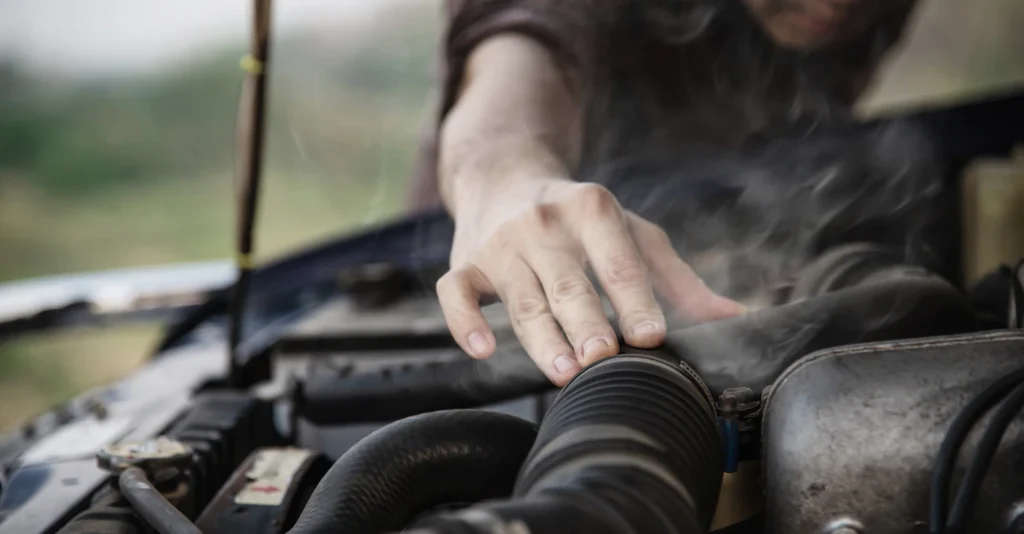
An engine misfire occurs when one or more cylinders fail to ignite the air-fuel mixture properly during the combustion process. Since every cylinder must fire at the correct time to produce smooth and consistent power, even a single misfire can cause your vehicle to idle roughly, hesitate during acceleration, lose power, or trigger the check engine light. Although some misfires are caused by simple maintenance issues, others may indicate developing engine or fuel system problems that require prompt attention.
Misfires can occur suddenly or develop gradually as vehicle components wear over time. Ignoring the warning signs may lead to poor fuel economy, increased emissions, and expensive engine repairs if the underlying issue continues to worsen. If your vehicle has begun running rough or showing signs of a misfire, scheduling an auto repair Houston service allows experienced technicians to accurately diagnose the problem and restore your vehicle’s performance before additional damage occurs.
What Causes an Engine Misfire?
Engine misfires can develop for several reasons, ranging from routine maintenance issues to more serious mechanical failures. Because modern engines depend on precise coordination between the ignition system, fuel system, air intake, and internal components, a fault in any of these areas can interrupt combustion.
1. Worn Spark Plugs or Faulty Ignition Coils
The ignition system is one of the most common sources of engine misfires. Spark plugs create the spark that ignites the air-fuel mixture, while ignition coils provide the electrical voltage needed for combustion. As these components wear with age and mileage, they may produce a weak or inconsistent spark that causes one or more cylinders to misfire. Replacing worn ignition components according to the manufacturer’s maintenance schedule helps maintain smooth engine operation.
2. Fuel Delivery Problems
Every cylinder requires the correct amount of fuel for efficient combustion. A clogged fuel injector, restricted fuel filter, or weak fuel pump can reduce fuel delivery, causing the engine to run lean and misfire. Dirty injectors may also spray fuel unevenly, preventing proper combustion and reducing engine performance. Routine fuel system maintenance helps keep fuel flowing consistently to every cylinder.
3. Vacuum Leaks and Air Intake Problems
The engine depends on a carefully balanced air-fuel mixture for efficient combustion. Vacuum leaks, cracked intake hoses, or a malfunctioning mass airflow (MAF) sensor can allow extra air into the engine or provide inaccurate airflow readings to the engine control module. When the air-fuel ratio becomes too lean or too rich, combustion becomes unstable, leading to rough idling, hesitation, and repeated engine misfires.
4. Faulty Engine Sensors
Modern engines continuously monitor operating conditions using sensors such as the oxygen (O2) sensor, crankshaft position sensor, camshaft position sensor, and mass airflow sensor. These sensors provide critical information that allows the engine control unit (ECU) to adjust fuel delivery and ignition timing. If a sensor sends incorrect data, combustion timing may be affected, increasing the likelihood of misfires and reduced engine efficiency.
5. Mechanical Engine Problems
Internal engine components must maintain proper compression for each cylinder to fire correctly. Worn piston rings, leaking valves, damaged head gaskets, or timing chain problems can reduce compression and prevent complete combustion. Unlike ignition or fuel system issues, mechanical failures often require more extensive diagnostics and repairs to restore proper engine performance.
6. Poor Maintenance and Contaminated Fuel
Neglecting routine maintenance can gradually increase the risk of engine misfires. Old spark plugs, dirty air filters, contaminated fuel, and overdue fuel filter replacements all place additional stress on the combustion process. Using high-quality fuel, following scheduled maintenance intervals, and addressing minor performance issues early can significantly reduce the chances of developing persistent engine misfires.
What Does an Engine Misfire Feel Like?
An engine misfire often causes noticeable changes in the way your vehicle starts, idles, accelerates, and drives. While the symptoms may begin mildly, they typically become more frequent as the problem worsens. Recognizing these signs early can help prevent additional engine damage and more expensive repairs.
- Rough Idling: Your engine may shake, vibrate, or run unevenly while the vehicle is stopped. Instead of maintaining a smooth idle, the engine may feel unstable as one or more cylinders fail to fire properly.
- Jerking or Hesitation During Acceleration: When you press the accelerator, your vehicle may hesitate, stumble, or jerk before gaining speed. This happens because the engine is not producing consistent power from every cylinder.
- Loss of Power: A misfiring engine often feels sluggish and may struggle to accelerate normally. You may especially notice reduced performance when climbing hills, merging onto highways, or carrying heavier loads.
- Noticeable Engine Vibrations: A misfire can create vibrations that are felt through the steering wheel, seats, or floor of the vehicle. These vibrations may become stronger as engine speed increases or while driving under load.
- Reduced Fuel Efficiency: Since the combustion process is incomplete, the engine must work harder to produce power. This often results in increased fuel consumption, causing you to visit the gas station more frequently.
- Check Engine Light Illuminates: Modern vehicles monitor engine performance continuously, and a misfire will often trigger the check engine light. If the light begins flashing instead of remaining steady, it may indicate a severe misfire that requires immediate professional attention.
What to Do When Your Engine Misfires?
Diagnosing an engine misfire involves identifying when the problem occurs, observing any accompanying symptoms, and performing a complete inspection of the engine’s ignition, fuel, and air intake systems. While some causes are relatively easy to identify, others require specialized diagnostic equipment to accurately locate the faulty component. Early diagnosis helps prevent unnecessary engine damage and reduces repair costs.
Pay Attention to When the Misfire Occurs
Notice whether the misfire happens while idling, accelerating, climbing hills, or starting the engine. Some ignition problems only appear under heavy engine loads, while fuel delivery issues may become more noticeable during acceleration. Recording these driving conditions provides valuable information that helps technicians narrow down the possible causes more efficiently.
Watch for Warning Lights and Performance Changes
An illuminated check engine light, reduced fuel economy, loss of power, or rough engine operation often accompany a misfire. These symptoms indicate that the engine is not operating efficiently and may point toward ignition, fuel, or sensor-related problems. Continuing to drive with these warning signs can increase the risk of more serious mechanical damage.
Inspect Common Ignition and Fuel Components
Many engine misfires are caused by worn spark plugs, faulty ignition coils, clogged fuel injectors, or damaged ignition wiring. A visual inspection may reveal worn or damaged components that require replacement. Keeping these systems properly maintained helps restore smooth engine performance and reduces the likelihood of future misfires.
Schedule a Professional Diagnostic Inspection
Some engine misfires originate from internal mechanical problems or electronic control systems that cannot be diagnosed through a simple visual inspection. Professional technicians use advanced diagnostic scanners, compression testing, and specialized equipment to identify the exact source of the misfire.
An experienced and reliable auto repair Houston can accurately diagnose the issue and recommend the appropriate repairs before further engine damage occurs.
When Should You Be Concerned About an Engine Misfire?
An occasional hesitation may not always indicate a major engine problem, but persistent or worsening misfires should never be ignored. If your vehicle begins losing power, the check engine light appears, or the engine runs noticeably rough, professional diagnostics should be scheduled as soon as possible.
The Check Engine Light Is Flashing
A flashing check engine light is one of the most serious warnings associated with an engine misfire. Unlike a steady warning light, a flashing light often indicates an active misfire that could damage the catalytic converter if driving continues. Reducing speed and having the vehicle inspected promptly helps prevent additional repairs.
Your Vehicle Has Lost Power
If your vehicle struggles to accelerate, hesitates while climbing hills, or feels unusually sluggish, the misfire may be affecting multiple cylinders or other engine systems. Reduced power makes driving less predictable and can create safety concerns when merging or passing other vehicles. A professional inspection should be performed before the problem worsens.
The Engine Is Running Rough Consistently
A persistent rough idle or continuous shaking while driving usually indicates that the misfire is no longer an occasional issue. Continuous combustion problems increase stress on internal engine components and may eventually lead to further mechanical damage. Early repairs help restore smooth operation and reduce unnecessary wear.
Fuel Economy Has Suddenly Decreased
Engine misfires often prevent complete combustion, forcing the engine to consume more fuel while producing less power. If you notice more frequent trips to the gas station without changes in your driving habits, a misfire may be reducing your engine’s efficiency. Correcting the underlying problem can improve both fuel economy and overall vehicle performance.
Don’t ignore the warning signs; having an engine misfire inspected early can help prevent more extensive and costly repairs.
What Happens If You Ignore an Engine Misfire?
Ignoring an engine misfire allows a relatively small problem to develop into a much larger mechanical issue over time. Because every misfire disrupts normal combustion, continued driving places additional stress on the engine, exhaust system, and emissions components. Prompt repairs help maintain reliable performance while avoiding unnecessary repair expenses.
- Catalytic Converter Damage: Unburned fuel produced during a misfire can enter the exhaust system and overheat the catalytic converter. Over time, excessive heat may permanently damage the converter, resulting in expensive repairs and reduced emissions performance.
- Accelerated Engine Wear: Incomplete combustion increases stress on pistons, valves, cylinder walls, and other internal engine components. Continuing to drive with a misfire may gradually reduce engine life and increase the likelihood of major mechanical failures.
- Reduced Performance and Fuel Efficiency: Misfires prevent the engine from producing its normal power output, leading to sluggish acceleration, rough operation, and increased fuel consumption. Repairing the problem early restores smoother performance and helps improve fuel economy.
- Higher Repair Costs: Many engine misfires begin with relatively inexpensive repairs, such as replacing spark plugs or ignition coils. Delaying service allows additional components to become damaged, often turning a simple repair into a much more costly one.
- Unexpected Vehicle Breakdowns: Severe or persistent misfires can eventually leave your vehicle unable to operate safely. Addressing the problem before components fail completely reduces the risk of roadside breakdowns and inconvenient repair situations.
How Can You Help Prevent Engine Misfires?
Most engine misfires develop gradually as ignition, fuel, and engine components wear with age and mileage. Following a regular maintenance schedule and correcting small performance issues early helps reduce the likelihood of combustion problems while extending the life of your engine.
- Replace Spark Plugs at Recommended Intervals: Spark plugs gradually wear with normal use and become less effective at igniting the air-fuel mixture. Replacing them according to your manufacturer’s maintenance schedule helps maintain consistent combustion and smooth engine performance.
- Maintain the Fuel and Air Intake Systems: Clean fuel injectors, fresh air filters, and properly functioning fuel pumps all contribute to efficient combustion. Routine inspections help ensure your engine receives the correct balance of fuel and air under all driving conditions.
- Address Check Engine Lights Promptly: Warning lights often provide the earliest indication of developing ignition, fuel, or sensor problems. Diagnosing trouble codes quickly allows technicians to repair small issues before they develop into persistent engine misfires.
- Schedule Routine Vehicle Inspections: Preventive inspections allow technicians to identify worn ignition components, failing sensors, vacuum leaks, and other developing problems before they affect engine performance.
If you’re searching for an auto repair shop near me, routine maintenance and professional diagnostics can help keep your engine operating smoothly while preventing costly repairs.
Trust Eric’s Car Care to Diagnose Engine Misfires
An engine misfire is your vehicle’s way of indicating that something within the combustion process is no longer operating correctly. Whether the problem is caused by worn spark plugs, faulty ignition coils, fuel delivery issues, sensor failures, or internal engine wear, identifying the cause early helps prevent larger repairs and keeps your vehicle running safely and efficiently. Ignoring a misfire can lead to reduced performance, poor fuel economy, and expensive damage to critical engine components.
If your vehicle is showing signs of an engine misfire, the ASE-certified technicians at Eric’s Car Care are ready to help. We proudly serve drivers throughout Houston and West University Place with accurate diagnostics, honest recommendations, and dependable repair services designed to restore your vehicle’s performance. Contact Eric’s Car Care today to schedule an inspection and get your engine running smoothly again.