
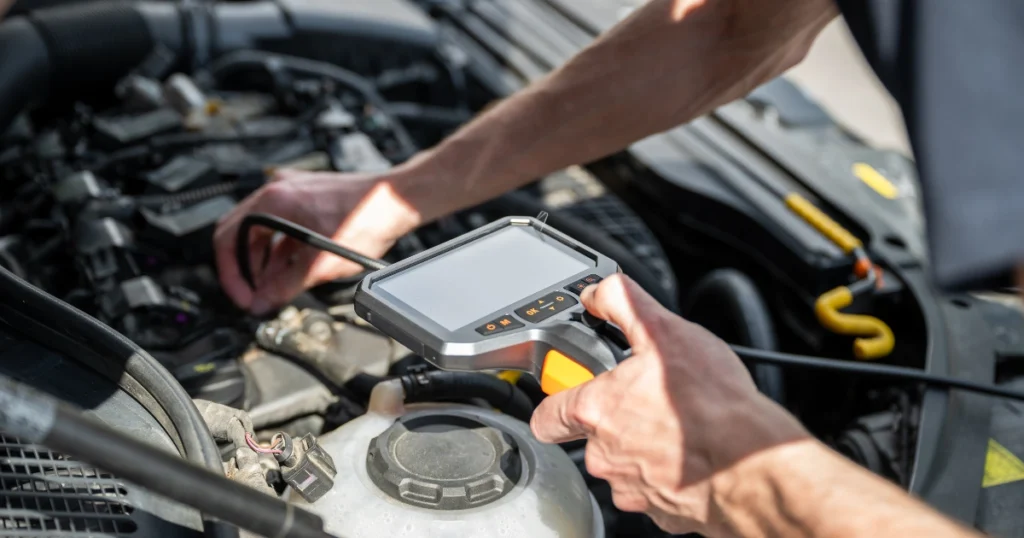
Modern vehicles rely on computers, sensors, and electronic control systems to monitor how different components are working. When a warning light appears, or your vehicle starts behaving differently, a diagnostic test can help identify where the problem may be coming from. For drivers looking for reliable auto repair Houston services, proper diagnostics can be an important first step toward identifying the right repair.
But what exactly does a Car Diagnostic Test check? From engine performance and sensors to electrical systems and emissions-related issues, diagnostic equipment can provide important information about your vehicle before repairs begin.
What Is a Car Diagnostic Test?
A car diagnostic test uses specialized equipment to communicate with your vehicle’s onboard computer and retrieve information about potential problems. The test can reveal stored trouble codes and other data related to systems the vehicle monitors.
However, a diagnostic code is only a starting point. A technician may need to perform additional inspections and tests to determine the actual cause of the problem and identify the appropriate repair.
What Does a Car Diagnostic Test Check?
A diagnostic test can provide information about several systems in your vehicle. The exact systems checked depend on the vehicle and the diagnostic equipment being used. If you are searching for auto repair near me, professional diagnostics can help identify the source of warning lights and performance concerns before repairs are recommended.
Engine Performance
A diagnostic test can check for faults that may affect how the engine starts, runs, or performs. The vehicle’s computer monitors different engine functions and can store codes when something operates outside expected parameters.
Diagnostic information can help technicians investigate concerns such as rough running, poor performance, or starting problems. Further testing may be needed to determine the exact cause.
Check Engine Light
When the check engine light comes on, the vehicle may store diagnostic trouble codes related to the condition that triggered the warning. A diagnostic scan can retrieve these codes and provide technicians with a starting point for further investigation.
The code does not necessarily mean a specific part has failed. Additional testing can help determine what is actually causing the warning.
Sensors
Modern vehicles use multiple sensors to monitor engine and vehicle functions. A diagnostic test can help identify sensor-related faults or abnormal readings stored by the vehicle’s computer.
Sensor problems can affect engine operation, fuel management, and other monitored systems. Technicians may use diagnostic data and additional testing to determine whether the sensor, wiring, or another component is responsible.
Transmission
A diagnostic scan can identify stored electronic faults related to transmission control and shifting. Modern transmissions use electronic controls and sensors to monitor and manage their operation.
If a vehicle experiences unusual shifting or a transmission warning light, diagnostic information can help technicians determine which system requires further inspection. Mechanical testing may also be necessary depending on the problem.
Electrical Systems
Diagnostic testing can help investigate electronic problems involving vehicle components, control modules, and other monitored electrical systems. Modern cars depend heavily on electronic communication between different systems.
Stored fault codes and diagnostic data can help narrow down potential electrical issues. Technicians may then inspect wiring, connections, fuses, or individual components to locate the underlying problem.
Emissions Systems
A vehicle’s computer monitors various systems that influence emissions and engine operation. A diagnostic scan can identify stored faults associated with monitored emissions components and systems.
An emissions-related code does not always identify the exact failed component. Additional inspection and testing may be required to determine why the fault occurred and what repair is appropriate.
How Does Diagnostic Testing Work
Diagnostic testing typically starts by connecting specialized equipment to the vehicle’s onboard computer system. The equipment communicates with the vehicle and retrieves stored trouble codes and other available data related to monitored systems.
After reviewing the diagnostic information, a technician may perform additional tests or inspections to determine what is causing the problem. This helps distinguish between a code indicating a potential issue and the actual component or system that needs attention.
Why Is a Car Diagnostic Test Important?
A diagnostic test can help identify potential vehicle problems before they become more difficult or expensive to address. It gives technicians useful information about warning lights, stored fault codes, and monitored vehicle systems.
Getting the problem diagnosed correctly can also help prevent unnecessary part replacements. Instead of guessing what is causing an issue, technicians can use diagnostic information along with further testing to determine the appropriate repair.
Signs Your Car May Need a Diagnostic Test
You do not always have to wait for your vehicle to stop working before getting it checked. Consider diagnostic testing if you notice:
- A check engine or other warning light.
- Difficulty starting the vehicle.
- Rough or inconsistent engine performance.
- Unusual loss of power.
- Changes in fuel economy.
- Transmission shifting problems.
- Electrical or electronic issues.
- Recurring problems that have not been resolved.
If a warning light appears alongside noticeable performance problems, having the vehicle inspected can help determine what may be causing the issue.
Does a Diagnostic Test Find Every Car Problem?
Not necessarily. A diagnostic scan is an important part of troubleshooting, but it does not replace a complete mechanical inspection.
Some problems are mechanical rather than electronic and may not generate a diagnostic trouble code. A technician may need to inspect components, test electrical circuits, monitor live data, or perform additional diagnostic procedures to find the actual cause.
Why Diagnostic Codes Do Not Always Mean a Part Is Bad
A common misconception is that a trouble code automatically means the related component needs to be replaced. In reality, a code generally points technicians toward a system or condition that requires further investigation.
For example, a sensor-related code could be associated with the sensor itself, wiring, connections, or another issue affecting that system. Proper testing helps determine why the code appeared instead of relying on the code alone.
What Happens After a Diagnostic Test?
Once the diagnostic information has been reviewed, the technician can explain the identified issue and recommend the appropriate next step. Depending on the results, this may involve additional testing, a component inspection, repair, or recalibration.
A proper diagnosis helps ensure that repairs address the actual problem instead of replacing parts based only on a warning code.
Get Professional Car Diagnostics at Eric’s Car Care
When a warning light appears, or your vehicle starts behaving differently, accurate diagnosis is an important first step toward finding the right repair. Professional diagnostic testing can help identify electronic, engine, sensor, transmission, and other system-related issues before unnecessary parts are replaced.
Eric’s Car Care provides diagnostic and repair services for drivers in Houston, with locations in the Medical Center and Rice Village. Its technicians use professional diagnostic equipment to investigate vehicle problems, identify potential causes, and determine the appropriate repair for your vehicle.
Frequently Asked Questions
How long does a car diagnostic test take?
The time can vary depending on the vehicle and the complexity of the problem. A basic scan may be relatively quick, while diagnosing an intermittent electrical or sensor issue can require additional testing.
Does a diagnostic test tell you exactly what is wrong?
A diagnostic scan provides codes and vehicle data that help identify potential problems. Additional testing may be necessary to determine the exact cause.
Can a diagnostic test detect engine problems?
Yes. Diagnostic systems can provide information about engine-related faults, including issues involving sensors, engine controls, and other monitored components.
Can a diagnostic test find electrical problems?
It can help identify electronic faults and stored errors, but some electrical problems require further testing of wiring, fuses, connections, and individual components.
Should I get a diagnostic test if the check engine light is on?
Yes. A diagnostic scan can help determine what system triggered the warning and guide the next steps for inspection and repair.