
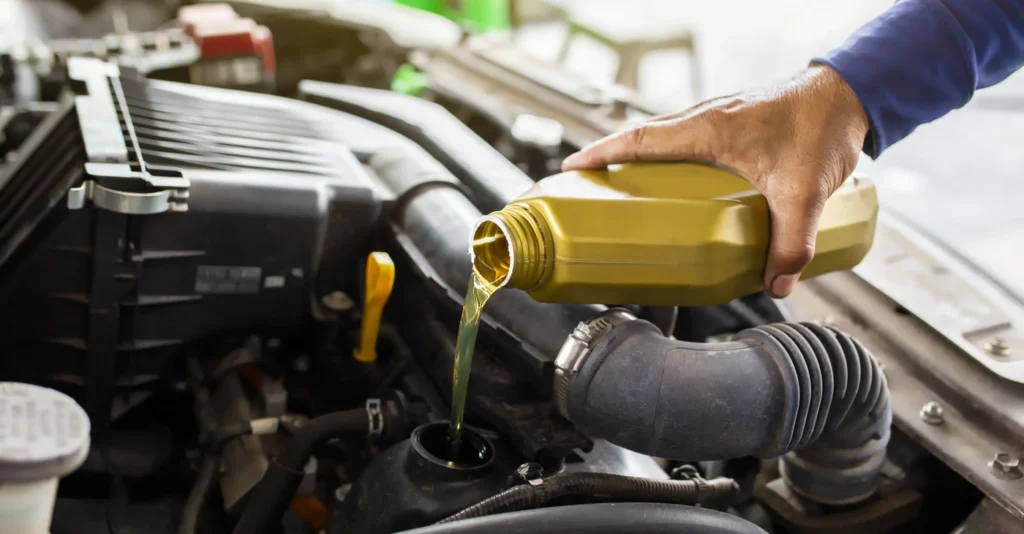
Determining how often to change synthetic oil is key to keeping your engine performing at its best. Synthetic oils provide superior protection compared to conventional oils, but they still need regular attention to maintain their benefits.
Following the proper synthetic oil change interval, including recommended synthetic oil mileage and synthetic oil change frequency, helps prevent engine wear, improve fuel efficiency, and extend your vehicle’s lifespan. For expert service and peace of mind, schedule your next oil change in Houston with our ASE-Certified Technicians. This guide will cover everything you need to stay on top of your car’s synthetic oil maintenance.
How Often Should Synthetic Oil be Changed
The synthetic oil life varies depending on your vehicle, driving habits, and the type of synthetic oil used.
According to AAA, on average, most synthetic oils can last between 7,500 to 10,000 miles, though some high-performance formulas may extend up to 15,000 miles. Regularly checking your oil and following the manufacturer’s recommended schedule ensures that your engine stays protected throughout the full synthetic oil lifespan.
Remember, driving in severe conditions like stop-and-go traffic, extreme heat, or frequent short trips can shorten the synthetic oil life, making timely changes even more important.
At Eric’s Car Care, our ASE-Certified Technicians make it easy to stay on top of routine maintenance with a professional oil change Houston, TX, for just $49.95. Keep your engine protected and performing at its best. Schedule your appointment today!
How to Check When You Need to Change Synthetic Oil
Keeping your synthetic oil in top condition is essential for engine health and performance. You don’t have to wait for problems to appear; regular checks and following your vehicle’s guidelines can help you stay ahead of potential issues. Here are the main ways to determine when it’s time for an oil change:
- Check the Oil Life Monitor: Many modern vehicles have an oil life monitoring system that alerts you when your synthetic oil life is nearing its end. This system calculates the synthetic oil lifespan based on driving conditions, engine temperature, and mileage.
- Follow Manufacturer’s Recommendations: Your vehicle’s manufacturer provides a recommended synthetic oil change interval in the owner’s manual. Following these guidelines ensures you maintain the full synthetic oil lifespan and avoid potential engine damage.
- Monitor Mileage: Most synthetic oils last between 7,500 to 10,000 miles, though high-performance formulas may go up to 15,000 miles. Keep track of your mileage to schedule timely oil changes.
- Inspect Oil Condition: Use the dipstick to check the oil’s color and consistency. Fresh synthetic oil is amber and clear. If it appears dark, gritty, or has a burnt smell, it’s time for a change, even if you haven’t reached the recommended mileage.
- Pay Attention to Engine Performance: Unusual engine noise, sluggish acceleration, or decreased fuel efficiency can signal that your synthetic oil life is over.
Factors That Affect Synthetic Oil Change Frequency
Several factors can influence how often you need a synthetic oil change. The synthetic oil change frequency depends not just on mileage, but also on your driving conditions, vehicle type, and the specific oil formula. Key factors include:
- Driving Habits: Frequent stop-and-go city driving, short trips, or aggressive acceleration can shorten synthetic oil life. Highway driving is generally easier on oil and may allow longer intervals.
- Vehicle Age and Engine Type: Older engines or high-performance engines may require more frequent oil changes to maintain optimal synthetic oil lifespan.
- Climate and Temperature: Extreme heat, cold, or dusty environments can affect oil viscosity and performance, impacting how long your synthetic oil lasts.
- Oil Quality and Type: High-quality full synthetic oils typically last longer than blends, extending the synthetic oil change interval.
- Load and Towing: Regularly carrying heavy loads or towing can increase engine stress, reducing synthetic oil life.
Can You Overdo Synthetic Oil Changes?
While staying on top of your synthetic oil change frequency is important, changing synthetic oil too often generally isn’t harmful but may be unnecessary. Synthetic oils are designed to last longer than conventional oils, offering extended synthetic oil life and synthetic oil lifespan.
Overly frequent changes won’t improve engine performance and can lead to extra costs and wasted resources.
The best approach is to follow the manufacturer’s recommended synthetic oil change interval and monitor your synthetic oil life through mileage, oil condition, and your vehicle’s oil life monitor. This ensures your engine remains well-protected without unnecessary oil changes.
Read Related: Synthetic or Conventional Oil: What’s Best for Your Car?
Schedule Your Next Synthetic Oil Change with Us
Maintaining the right synthetic oil change interval and monitoring your synthetic oil life are essential for keeping your engine healthy and performing at its best. Staying on top of your synthetic oil change frequency helps prevent wear, improve efficiency, and extend your vehicle’s lifespan.
At Eric’s Car Care, our ASE-Certified Technicians ensure your synthetic oil is changed on time, using high-quality products tailored to your car’s needs. Drive with confidence knowing your engine is protected. Schedule your next synthetic oil change with Eric’s Car Care today!