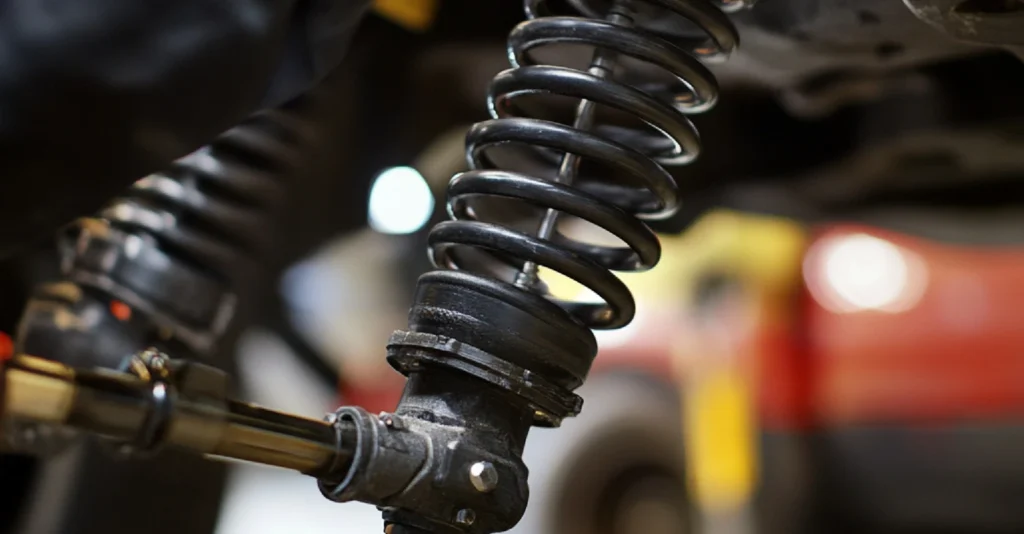
A control arm is a suspension component that connects your vehicle’s wheels to the frame, allowing for smooth movement and stable handling. It plays a key role in keeping your tires properly aligned while absorbing road shocks.
Without a functioning control arm, your vehicle would struggle to maintain stability, especially over bumps or while making turns. Over time, control arms and their components can wear out, affecting your ride quality and safety. If you notice unusual noises or steering issues, finding a trusted Auto Repair near me shop and getting your suspension inspected as soon as possible is the smartest step you can take before the problem worsens.
What Does a Control Arm Do?
The control arm allows your wheels to move up and down while keeping them aligned with your vehicle’s body. It connects to the frame through bushings and to the wheel assembly through a ball joint.
When you drive over uneven surfaces, the control arm helps absorb impact and maintain tire contact with the road, ensuring better control and comfort.
Control Arm and Suspension Movement
The suspension system relies on flexible movement to keep your ride smooth. The control arm works with shocks and struts to manage this movement effectively. If you are experiencing rough rides or poor handling, getting suspension repair near me from a qualified technician can restore your vehicle’s stability and comfort quickly.
As your wheels encounter bumps, the control arm pivots at its bushings, allowing controlled motion while preventing excessive vibration. This ensures your vehicle remains stable and responsive.
Why Is a Control Arm Important?
The control arm is important because it directly affects your vehicle’s handling, steering, and overall safety. A properly functioning control arm ensures that your tires remain in contact with the road at all times.
If the control arm or its components fail, it can lead to poor alignment, uneven tire wear, and reduced control while driving. Regular inspections can help prevent these issues and keep your vehicle performing reliably.
What Is a Control Arm Used For?
Control arms are used in your vehicle’s suspension system to:
- Maintain proper wheel alignment
- Allow controlled vertical wheel movement
- Support vehicle weight and stability
- Improve steering response and handling
In modern vehicles, control arms also support overall suspension geometry, which is essential for safe and predictable driving performance.
What Does a Control Arm Look Like?
A control arm is typically a metal component shaped like a straight bar or the letter “A” (also called an A-arm). It connects the vehicle frame to the wheel hub and includes rubber bushings and a ball joint.
Types of Control Arms
Control arms come in different designs depending on the vehicle’s suspension system and performance needs. Each type plays a specific role in controlling wheel movement, maintaining alignment, and ensuring a smooth driving experience. Understanding these variations can help you better identify potential issues and choose the right replacement when needed.
1. Upper Control Arm
Found in double-wishbone suspension systems, it helps control upper wheel movement. It plays a key role in maintaining proper wheel alignment and stability, especially during turns and uneven road conditions. Upper control arms are commonly used in trucks and performance vehicles where enhanced suspension control is required.
2. Lower Control Arm
More common in modern vehicles, it supports most of the load and connects directly to the wheel assembly. It absorbs significant impact from the road and works closely with shocks or struts to provide a smooth ride. Because it handles more stress, the lower control arm is more prone to wear and may require replacement sooner than the upper control arm.
3. Wishbone (A-Arm)
Shaped like an “A,” this design offers improved strength and stability. The two mounting points provide better control over wheel motion, reducing flex and improving handling. This design is widely used in vehicles that require precise steering and enhanced suspension performance.
Does a Control Arm Go Bad?
Yes, control arms can wear out over time. The most common points of failure are the bushings and ball joints, which can degrade due to constant movement, road conditions, and age.
Driving on rough roads, hitting potholes, or normal wear and tear can all contribute to control arm damage. Even if you don’t drive frequently, these components can still deteriorate over time.
Signs of a Bad Control Arm
A failing control arm can affect your vehicle’s performance and safety. If you notice any of the warning signs below, scheduling a control arm replacement near me inspection as soon as possible is the safest step you can take before the problem affects your handling and safety on the road.
- Clunking or knocking noises when driving over bumps
- Uneven or excessive tire wear
- Steering wheel vibration
- Vehicle pulling to one side
- Loose or unstable steering feel
When Should You Replace a Control Arm?
There’s no exact mileage for replacement, but control arms should be inspected regularly and replaced when necessary.
You may need a replacement if:
- Bushings are cracked or worn
- Ball joints are loose or damaged
- Handling and steering feel unstable
In many cases, replacing the entire control arm assembly is recommended for better durability and performance.
What Happens When a Control Arm Breaks?
When a control arm breaks, it can severely impact your vehicle’s stability and make driving unsafe. Since the control arm connects the wheel assembly to the frame, any failure can disrupt proper wheel alignment and suspension movement.
A broken control arm may cause:
- Loss of steering control, especially during turns.
- Sudden pulling of the vehicle to one side.
- Loud clunking or snapping noises.
- Uneven or collapsed wheel positioning.
- Increased risk of tire damage or blowouts.
In extreme cases, the wheel can shift out of place, making the vehicle undrivable. This is why a damaged or broken control arm should never be ignored.
If you experience any of these issues, it’s important to get your vehicle inspected immediately. Professional technicians can diagnose suspension problems and recommend whether a repair or full replacement is needed to restore safe driving conditions.
Schedule a Suspension Inspection at Eric’s Car Care
Your suspension system plays a critical role in your vehicle’s safety and comfort. Understanding how the control arm works and recognizing early warning signs can help you avoid costly repairs.
If you’re experiencing suspension issues, Eric’s Car Care proudly serves drivers with expert diagnostics and repairs. Their experienced technicians can inspect your control arms and ensure your vehicle stays safe and smooth on the road.
FAQs
How long do control arms last?
Control arms usually last between 90,000 and 100,000 miles, depending on driving habits and road conditions. Rough roads, potholes, and aggressive driving can shorten their lifespan. Regular inspections help detect wear early and avoid costly repairs. Replacing worn components on time ensures better handling and suspension performance.
Can I drive with a bad control arm?
Driving with a faulty control arm is not recommended, as it can impact steering and vehicle stability. It may cause uneven tire wear and poor handling, especially at higher speeds. Ignoring the issue can lead to more serious safety risks over time. Getting it inspected early helps prevent further damage and costly repairs.
Do control arms affect alignment?
Yes, worn or damaged control arms can lead to improper wheel alignment and uneven tire wear. This can reduce handling precision and overall driving comfort. Timely replacement helps maintain proper alignment and extends tire life. Proper alignment also improves fuel efficiency and ensures a smoother ride.