
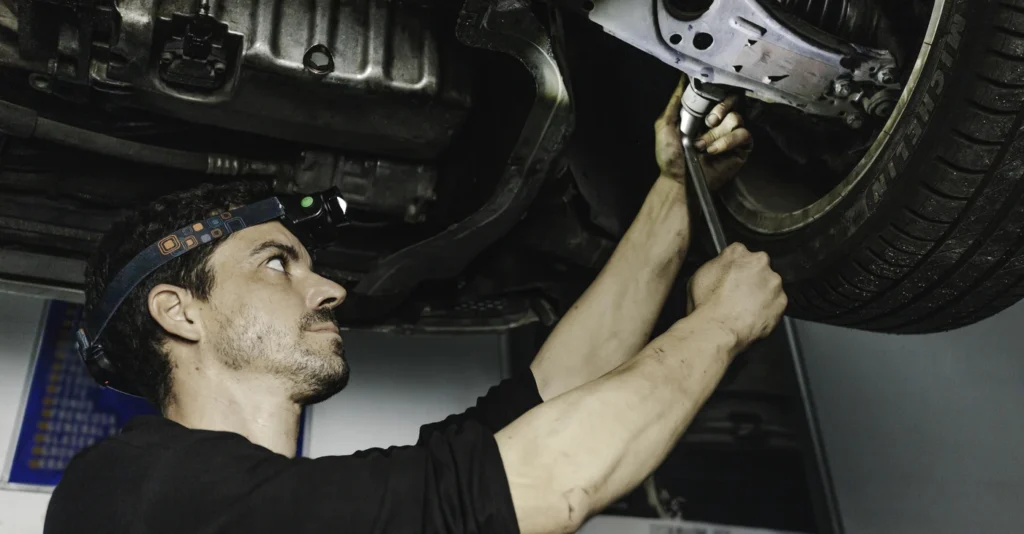
Struts are key suspension components that support your vehicle’s weight, absorb shocks, and ensure a smooth, stable ride. They help reduce the impact of bumps, potholes, and uneven roads while also improving steering control and overall vehicle stability.
Unlike basic shock absorbers, struts combine multiple functions into a single unit, including shock absorption, coil-spring support, and structural strength. This design helps maintain proper wheel alignment and consistent tire contact with the road. Because of their critical role, worn or damaged struts can negatively affect both ride comfort and driving safety, and getting them inspected at a trusted Auto Repair Houston shop as soon as symptoms appear is always the smartest move.
What Do Struts Do?
Struts perform several important functions that impact both comfort and safety:
- Absorb impact from bumps and rough roads.
- Support the vehicle’s structure and weight.
- Maintain tire contact with the road.
- Improve steering stability and control.
When struts are working properly, your vehicle feels smooth and responsive. When they begin to fail, you may notice reduced handling and a rougher ride.
Struts vs Shocks: What’s the Difference?
Many drivers confuse struts with shocks because they perform similar functions in a vehicle’s suspension system. However, they are designed differently and play distinct roles in how your car handles, rides, and maintains stability.
Structural Role of Struts
Struts are load-bearing components that support the vehicle’s weight and form an important part of the suspension structure. They also help maintain proper wheel alignment, which directly impacts steering control and overall driving stability.
Function of Shocks
Shock absorbers are designed mainly to control suspension movement and reduce bouncing. Unlike struts, they do not support the vehicle’s weight or affect alignment. Their primary job is to improve ride comfort by maintaining consistent tire contact with the road.
Key Difference in Simple Terms
Struts combine multiple suspension functions into one unit, including structural support and damping. Shocks only manage motion control because of this, most vehicles are designed to use either struts or shocks at each wheel, not both together.
How Many Struts Are on a Car?
Most vehicles have two or four struts, depending on the suspension design:
- Many front-wheel-drive cars have two struts in the front.
- Some vehicles have struts on all four wheels.
The number of struts depends on your vehicle type, but they always play a key role in ride quality and handling.
Signs of Bad Struts
Worn or damaged struts can affect your driving experience and safety. If you notice any of the warning signs below, getting your vehicle checked at a trusted suspension repair Houston shop right away can prevent further damage and keep you safe on the road.
- Bumpy or rough ride: A failing strut can no longer absorb road impacts effectively, making every bump feel more intense. This reduces overall driving comfort and stability, especially on uneven roads.
- Nose-diving when braking: If your vehicle dips forward sharply when braking, it’s a clear sign the struts are losing their damping ability. This can increase stopping distance and reduce braking efficiency.
- Uneven tire wear: Bad struts can cause poor wheel alignment and uneven pressure on tires. This leads to faster tire wear and reduced tire lifespan. Ignoring this issue may result in frequent tire replacements and higher maintenance costs.
- Vehicle bouncing excessively: When the struts are worn out, the vehicle may continue to bounce after hitting bumps rather than stabilize quickly. This makes the ride unstable and harder to control.
- Poor steering response: Damaged struts reduce steering precision, making the vehicle feel loose or unresponsive. You may notice difficulty in maintaining a straight line or controlling turns. This can become dangerous at higher speeds.
- Knocking or clunking noises: Worn strut components often produce unusual noises when driving over bumps or rough surfaces. These sounds usually indicate loose or damaged internal parts. Early inspection can prevent further suspension damage.
What Happens If You Drive with Bad Struts?
Driving with worn struts can lead to serious problems, including:
- Reduced braking performance.
- Loss of vehicle control.
- Increased tire wear.
- Damage to other suspension components.
Ignoring these issues can result in more expensive repairs and unsafe driving conditions.
Car Struts Replacement: When Is It Needed?
Struts do not last forever. While there is no exact replacement interval, many vehicles need new struts around 50,000 to 100,000 miles, depending on driving conditions. If any of the following apply to your vehicle, searching for a trusted shocks and struts repair near me shop and scheduling an inspection right away is the right move.
You may need a car strut replacement if:
- Your ride becomes noticeably rough: This usually indicates that the struts are no longer absorbing road shocks effectively. You may feel every bump and vibration more intensely than before. It’s often one of the earliest signs of strut wear.
- Your vehicle feels unstable: If the car sways, leans, or feels loose during driving, the struts may be failing. This instability can affect control during turns or sudden maneuvers. It may also reduce overall driving confidence.
- You notice fluid leaks from the strut assembly: Visible oil or fluid leaking from the struts is a strong sign of internal damage. Once the seal is broken, the strut loses its damping ability. This issue typically requires replacement rather than repair.
- A mechanic confirms wear during inspection: A professional inspection can detect wear that may not be obvious while driving. Mechanics check for damage, leaks, and performance issues in the suspension system. Early detection helps prevent more costly repairs later.
Replacing struts in pairs (both front or both rear) is usually recommended for balanced performance and safer handling. This ensures even suspension response on both sides of the vehicle and helps maintain proper alignment.
Schedule a Strut Inspection at Eric’s Car Care
Regular strut inspections are an important part of maintaining your vehicle’s suspension health. Even if you don’t notice obvious symptoms, internal wear can still develop over time and affect performance. Having your suspension checked by professionals helps catch issues early and prevents costly repairs later.
Eric’s Car Care focuses on delivering reliable suspension diagnostics and repairs to keep your vehicle safe and comfortable. Their technicians carefully evaluate struts, shocks, and related components to ensure everything is functioning correctly. This thorough approach helps improve ride quality, stability, and long-term vehicle performance.