
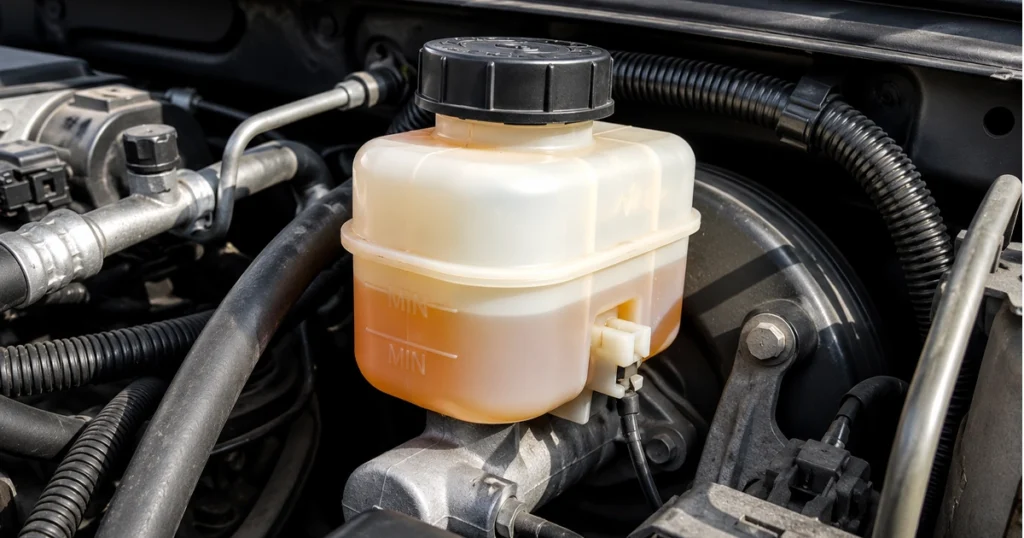
Brake fluid is a hydraulic fluid that transfers the force from your brake pedal to the braking components, allowing your vehicle to slow down and stop safely. Without it, your braking system cannot generate the pressure needed for reliable stopping power.
Over time, brake fluid can absorb moisture and become contaminated, which may reduce braking performance and put your safety at risk. If you have noticed brake issues or want to keep your vehicle performing at its best, scheduling a professional inspection is a smart step. For expert help from trusted technicians, consider searching for Auto Repair near me to have your braking system checked and serviced before small problems become major repairs.
What Does Brake Fluid Do?
Brake fluid transfers force from the brake pedal to the brakes at each wheel, allowing your vehicle to slow down and stop safely. When you press the brake pedal, the fluid moves through the brake lines, creating hydraulic pressure that activates the brake calipers or wheel cylinders.
Brake fluid also helps ensure consistent braking performance by distributing pressure evenly throughout the braking system. This allows your vehicle to respond quickly and predictably every time you apply the brakes.
Brake Fluid and Hydraulic Pressure
Hydraulic systems rely on fluid because liquids do not compress easily. When you apply pressure to the brake pedal, that force travels through the brake fluid almost instantly. The pressure then activates the brake calipers, which press the brake pads against the rotors to slow the vehicle.
This simple but effective design allows drivers to stop vehicles safely with relatively little effort. However, the entire process depends on maintaining the correct amount and quality of brake fluid.
Why Is Brake Fluid Important?
Brake fluid is important because it allows your vehicle’s braking system to transfer the force from the brake pedal into the pressure needed to stop the wheels. Without brake fluid, your brakes would not function properly, putting your safety at risk.
Modern brake fluids are designed to withstand high temperatures and maintain consistent braking performance, even in heavy Houston traffic. According to the NHTSA, moisture contamination can lower a brake fluid’s boiling point, reduce braking effectiveness, and contribute to corrosion. Scheduling regular brake repair Houston, TX inspections is the most reliable way to catch fluid contamination early and keep your braking system performing safely year-round.
What Is Brake Fluid Used For?
Brake fluid is used to operate hydraulic braking systems in cars, trucks, and SUVs. It allows the braking system to create the pressure needed to stop the vehicle while maintaining a smooth and predictable brake response.
In many modern vehicles, brake fluid also supports systems such as Anti-Lock Braking Systems (ABS), traction control, and electronic stability control. These advanced safety features depend on proper hydraulic pressure to function correctly. Because brake fluid plays such a critical role in multiple vehicle systems, routine inspections at a trusted auto repair shop in Houston can help identify issues before they affect your safety.
What Does Brake Fluid Look Like?
Fresh brake fluid is usually clear or light amber in color. It should appear clean and free of debris when viewed in the reservoir. The exact shade may vary depending on the type of fluid used.
As brake fluid ages, it often becomes darker. Brown, dark amber, or nearly black fluid may indicate contamination, moisture absorption, or internal wear within the braking system. While color alone does not determine fluid condition, it can provide a helpful visual clue.
What Color Should Brake Fluid Be?
Healthy brake fluid generally appears:
- Clear to light amber when new
- Slightly darker as it ages
- Free of visible particles or debris
If the fluid looks extremely dark, dirty, or contaminated, it may be time for an inspection. A professional brake fluid change can help maintain proper braking performance and protect your brake system from premature wear.
Read More: What Color Is Brake Fluid?
Types of Brake Fluid
Not all brake fluids are the same. Vehicle manufacturers specify different fluid types based on the design and performance requirements of the braking system.
1. DOT 3 Brake Fluid
DOT 3 fluid is one of the most commonly used brake fluids in passenger vehicles. It is glycol-based and provides reliable performance for many standard braking systems. DOT 3 fluid absorbs moisture over time, so regular maintenance remains important.
2. DOT 4 Brake Fluid
DOT 4 brake fluid is similar to DOT 3 but offers a higher boiling point. This makes it a popular choice for newer vehicles and vehicles that experience higher braking temperatures. Many modern cars require DOT 4 fluid to meet manufacturer specifications.
3. DOT 5 Brake Fluid
DOT 5 is a silicone-based fluid that does not absorb moisture like glycol-based fluids. It is commonly used in certain specialties and classic vehicles. However, it is generally not compatible with systems designed for DOT 3 or DOT 4 fluid.
4. DOT 5.1 Brake Fluid
DOT 5.1 is glycol-based despite its similar name to DOT 5. It provides higher performance and higher boiling points than DOT 3 and DOT 4 fluids. It is often used in vehicles that demand greater braking performance.
Does Brake Fluid Go Bad?
Yes, brake fluid does go bad over time. Most brake fluids are hygroscopic, which means they absorb moisture from the surrounding air. As moisture levels increase, the fluid’s boiling point decreases, and its effectiveness can decline.
This moisture contamination can also contribute to corrosion inside brake lines, calipers, and other hydraulic components. Even if you do not drive frequently, brake fluid can still absorb moisture and deteriorate with age, which is why scheduling a brake fluid change near me at regular intervals is one of the simplest ways to protect your braking system long term.
Read More: How often should brake fluid be changed?
Low Brake Fluid Symptoms
Low brake fluid can create noticeable changes in the way your vehicle responds. Ignoring these warning signs may increase the risk of brake system damage or reduced stopping ability.
Watch for these common symptoms:
- Brake warning light on the dashboard
- Soft or spongy brake pedal
- Longer stopping distances
- Reduced brake responsiveness
- Difficulty maintaining consistent braking performance
If you notice any of these symptoms, schedule an inspection as soon as possible. A qualified technician can determine whether low fluid, a leak, or another brake issue is causing the problem.
Schedule a Brake Fluid Change at Eric’s Car Care
Brake fluid is essential for safe and reliable braking. Understanding how it works, recognizing signs of low or contaminated fluid, and following recommended maintenance schedules can help keep your braking system performing at its best.
If you need a brake inspection or brake fluid service, Eric’s Car Care proudly serves drivers in Houston and West University Place, Texas. With over 50 years of experience and ASE-Certified technicians, their team can help ensure your brake fluid and braking system remain in top condition.
FAQs
How Often Should You Change Brake Fluid?
Most manufacturers recommend changing brake fluid every 2–3 years or according to your vehicle’s maintenance schedule. Regular replacement helps maintain braking performance and prevent moisture-related issues.
Is It Necessary to Change Brake Fluid?
Yes, brake fluid absorbs moisture over time, which can reduce braking effectiveness and contribute to corrosion within the brake system. Replacing it helps keep your brakes operating safely.
Can I Mix Different Types of Brake Fluid?
Not always. Some brake fluids are compatible, while others are not, so you should always follow your vehicle manufacturer’s recommendations before mixing fluids.
What Happens When Brake Fluid Is Low?
Low brake fluid can cause a soft brake pedal, reduced braking performance, longer stopping distances, and trigger the brake warning light on your dashboard.
How Do I Know If My Car Needs Brake Fluid?
Signs may include a low fluid level in the reservoir, a brake warning light, a spongy brake pedal, or reduced braking responsiveness. A professional inspection can confirm whether service is needed.