
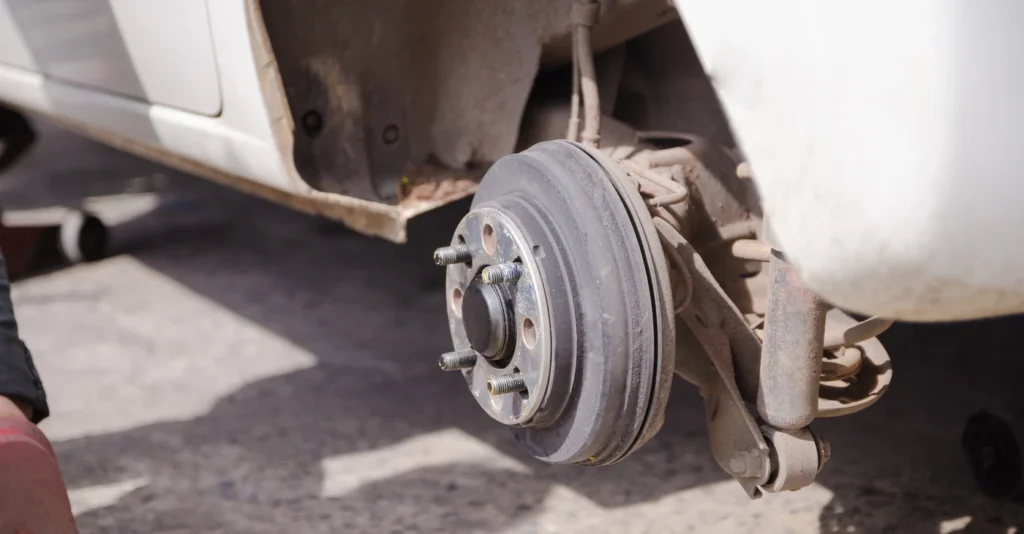
Brake fade is one of the most dangerous brake problems a driver can experience because it reduces your vehicle’s stopping power when you need it most. It often happens during heavy braking, towing, driving down steep hills, or sitting in stop-and-go traffic for long periods. When the brakes overheat, they may stop responding properly, increasing the risk of accidents and expensive brake repairs.
Understanding what causes brake fade, the warning signs to watch for, and how to prevent it can help keep you safer on the road. Regular brake inspections and timely brake repair near me services can also help prevent overheating issues before they become dangerous. In this blog, we’ll explain everything drivers should know about brake fade in simple terms.
What Is Brake Fade?
Brake fade is a temporary loss of braking performance caused by excessive heat buildup in the braking system. When brake components get too hot, the brakes cannot create enough friction to slow the vehicle effectively.
Modern braking systems are designed to handle normal driving conditions, but repeated hard braking or extreme driving situations can push the system beyond its limits. As temperatures rise, brake pads, rotors, and brake fluid may stop working as efficiently as they should.
Many people think brake fade only happens in race cars, but it can also affect everyday vehicles during mountain driving, towing heavy loads, aggressive driving, or long downhill descents.
What Causes Brake Fade
Brake fade usually happens when the braking system generates more heat than it can release. The extra heat reduces braking efficiency and can affect several parts of the system.
1. Overheated Brake Pads and Rotors
Every time you press the brake pedal, friction is created between the brake pads and rotors. During repeated hard braking, this friction creates excessive heat. If the temperature gets too high, the brake pads lose some of their ability to grip the rotors.
This is one of the most common causes of brake fade, especially during aggressive driving or sudden repeated stops.
2. Riding the Brakes on Long Downhill Drives
Keeping constant pressure on the brake pedal while driving downhill can quickly overheat the brakes. Many drivers unknowingly “ride” the brakes instead of using lower gears to help slow the vehicle.
This continuous braking creates nonstop heat buildup that can lead to brake fade within minutes.
3. Old or Contaminated Brake Fluid
Brake fluid absorbs moisture over time. When contaminated brake fluid gets too hot, it can boil and create air bubbles inside the brake lines. Because air compresses more easily than fluid, the brake pedal may start to feel soft or spongy, reducing braking performance.
4. Worn Brake Components
Worn brake pads, glazed rotors, sticking calipers, or damaged hardware can all increase the chances of brake fade. Older components struggle to handle heat properly and may wear unevenly.
Ignoring regular brake maintenance can make the problem worse and reduce overall braking safety.
Types of Brake Fade
There are several different types of brake fade, and each one affects braking performance in a slightly different way.
1. Brake Pad Fade (Friction Fade)
Brake pad fade, also called friction fade, occurs when overheated brake pads lose their ability to generate sufficient friction against the rotors. In this situation, the brake pedal may still feel normal, but the vehicle takes much longer to stop.
2. Brake Fluid Fade
Brake fluid fade occurs when brake fluid overheats and begins to boil. This creates vapor bubbles inside the hydraulic system, reducing pressure. Drivers often notice a soft or spongy brake pedal when this type of fade occurs.
3. Green Fade on New Brakes
Green fade can occur with newly installed brake pads that have not yet been fully broken in. Excess heat causes gases to form between the pads and rotors, temporarily reducing stopping power. This issue usually disappears after the brake pads complete the proper break-in process.
4. Mechanical Brake Fade
Mechanical brake fade is more common in drum brake systems. Excessive heat can cause brake drums and other components to expand, reducing braking effectiveness. Although less common in modern vehicles, it can still happen under severe driving conditions.
Signs of Brake Fade
Brake fade often develops gradually, which is why many drivers do not notice the problem right away. Paying attention to early warning signs can help you react quickly, avoid further brake damage, and stay safer on the road.
- Burning smell near the wheels: Overheated brake pads or brake fluid often create a strong burning odor.
- Brake pedal feels soft or spongy: Reduced hydraulic pressure can make the pedal feel less responsive.
- Longer stopping distances: The vehicle may take much longer to slow down, even when pressing the brake pedal firmly.
- Smoke coming from the brakes: Visible smoke is a serious warning sign that the brakes are overheating and need immediate attention.
Does Brake Fade Go Away?
Mild brake fade may temporarily improve once the brakes cool down. However, that does not mean the problem should be ignored. Repeated overheating can permanently damage brake pads, rotors, calipers, and brake fluid.
In some cases, the damaged parts may need replacement to restore safe braking performance. If brake fade happens more than once, it is important to have the braking system inspected by a professional technician.
Brake Fade vs. Brake Failure: What’s the Difference?
Brake fade and brake failure are not the same thing.
Brake fade is usually temporary and happens when excessive heat reduces braking performance. The brakes still work, but they become less effective.
Brake failure, on the other hand, is a complete loss of braking ability. This can happen because of hydraulic leaks, broken brake lines, severe component damage, or total system failure.
Even though brake fade is temporary, it can still become extremely dangerous if ignored.
What to Do During Brake Fade
If you notice signs of brake fade while driving, staying calm and reacting safely is extremely important.
- Reduce speed gradually: Avoid slamming on the brakes. Instead, slow the vehicle carefully using controlled braking and lower gears.
- Pull over and let the brakes cool: Continuing to drive with overheated brakes can cause additional damage and increase accident risk.
- Have the brake system inspected: A professional inspection, or searching for a trusted auto repair near me service, can identify damaged brake pads, rotors, calipers, or contaminated brake fluid.
How To Prevent Brake Fade
Preventing brake fade is much easier and less expensive than dealing with damaged brake components later. A combination of safe driving habits, regular brake maintenance, and high-quality parts can help keep your braking system working properly under high temperatures.
- Avoid aggressive or repeated hard braking: Smooth driving reduces heat buildup and helps extend brake life.
- Use engine braking on steep hills: Downshifting helps reduce pressure on the braking system during long descents.
- Replace brake fluid at recommended intervals: Fresh brake fluid handles heat better and maintains proper hydraulic pressure.
- Schedule regular brake inspections: Routine inspections can catch worn pads, damaged rotors, and fluid issues before they become serious.
- Install high-quality brake components: Premium brake pads and rotors are designed to handle heat more effectively and improve overall braking performance.
Brake Fade Warning Signs? Get Professional Help at Eric’s Car Care
Brake fade should never be ignored because reduced stopping power can quickly become a serious safety hazard. If you notice a burning smell, a soft brake pedal, longer stopping distances, or other warning signs, it’s important to have your brakes checked as soon as possible.
Professional brake service can quickly diagnose issues like worn brake pads, damaged rotors, or contaminated brake fluid before they turn into expensive repairs or unsafe driving conditions.
For drivers in Houston and West University, Texas, trusted help is available at Eric’s Car Care. With over 50 years of experience since 1970, ASE-Certified technicians, and a 3-year/36,000-mile warranty, our team provides dependable brake inspections, brake pad replacement, fluid service, and full brake repair to keep your vehicle safe on the road.