
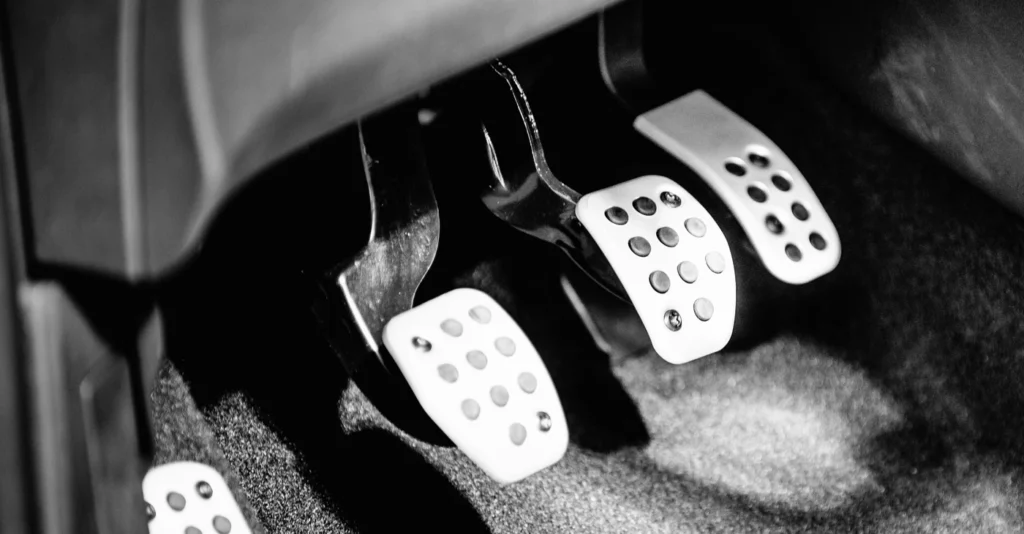
If your brake pedal goes to the floor while driving, it usually means your braking system is losing hydraulic pressure somewhere in the system. This can happen because of low brake fluid, air in the brake lines, a failing master cylinder, or worn brake components. No matter the cause, this problem should never be ignored because it can seriously reduce your ability to stop safely.
Drivers in Houston and West University often notice the issue during stop-and-go traffic or sudden braking situations. If your brake pedal feels soft, spongy, or suddenly drops without resistance, it is important to schedule a professional brake repair houston tx service before the problem gets worse.
How Do Car Brakes Work?
Your vehicle’s brake system uses hydraulic pressure to slow and stop the car. When you press the brake pedal, brake fluid travels through the brake lines and sends pressure to the calipers or wheel cylinders. That pressure pushes the brake pads against the rotors to create friction and stop the wheels.
Modern braking systems are designed to maintain constant pressure. If pressure drops because of leaks, trapped air, or failed parts, the brake pedal travels to the floor instead of stopping the vehicle normally.
What Happens When You Press the Brake Pedal?
The brake pedal connects to the master cylinder, which pushes brake fluid through sealed brake lines. The fluid transfers force evenly to all four wheels.
According to the National Highway Traffic Safety Administration, brake system failures can significantly increase stopping distance and raise the risk of collisions. That is why even a small change in pedal feel should be inspected quickly.
What Does It Mean When the Brake Pedal Goes to Floor?
A brake pedal that sinks to the floor usually means the hydraulic braking system cannot hold pressure properly. In many cases, the problem starts gradually and becomes worse over time.
Common warning signs include:
- Soft or spongy brake pedal
- Longer stopping distances
- Brake warning light on the dashboard
- Needing to pump the brakes
- Brake pedal went to floor while stopped at a light
Causes of a Brake Pedal Goes to Floor
When your brake pedal suddenly feels soft or drops lower than normal, the problem usually comes from a loss of hydraulic pressure somewhere in the braking system. Because modern brakes rely on sealed fluid pressure to work correctly, even a small issue can affect pedal feel and stopping performance.
Some causes develop slowly over time, while others happen suddenly and create an immediate safety risk. Below are the most common reasons a brake pedal may feel weak, soft, or go all the way to the floor while driving.
1. Low Brake Fluid
Low brake fluid is one of the first things mechanics check when diagnosing brake problems. Your braking system depends on brake fluid to transfer pressure from the pedal to the wheels. If the fluid level drops too low, the system cannot maintain enough pressure to stop the vehicle properly.
Brake fluid usually becomes low because of leaks somewhere in the hydraulic system. Common leak locations include:
- Brake hoses
- Steel brake lines
- Calipers
- Wheel cylinders
- ABS hydraulic units
- Master cylinder seals
2. Air in the Brake Lines
Your brake system is designed to work with fluid only. Unlike brake fluid, air compresses easily under pressure. When air enters the brake lines, some of the pedal force gets absorbed instead of being transferred directly to the brakes.
This is one of the most common reasons drivers experience a spongy or inconsistent brake pedal. In many cases, the pedal may feel normal at first, but then slowly sinks during longer stops.
Air can enter the brake system through:
- Brake fluid leaks
- Recently replaced brake parts
- Improper brake bleeding
- Low master cylinder fluid levels
- Damaged brake hoses
3. Bad Master Cylinder
The master cylinder is the heart of the hydraulic braking system. It creates and distributes brake pressure every time you press the pedal. Inside the master cylinder are rubber seals that hold fluid pressure under extremely high force.
Over time, those seals can wear out, crack, or fail internally. When that happens, brake fluid bypasses the seals inside the cylinder instead of traveling through the brake lines correctly.
Unlike external leaks, internal master cylinder failure may not leave visible fluid underneath the vehicle. That is why this issue is sometimes harder for drivers to identify early.
A failing master cylinder commonly causes:
- The brake pedal is slowly sinking while stopped
- Inconsistent pedal pressure
- Brake warning lights
- Delayed braking response
- Fluid contamination
- The brake pedal went to the floor unexpectedly
Many drivers first notice the problem while sitting at a traffic light with steady pressure on the brake pedal. Instead of holding firm, the pedal gradually drops lower toward the floor.
According to the Car Care Council, regular brake inspections are important because hydraulic parts naturally wear over time and may fail without obvious warning signs.
4. Worn Brake Pads, Rotors, or Rear Drum Brakes
Worn brake components can also increase brake pedal travel and reduce stopping efficiency. As brake pads become thinner, the calipers must travel farther before the pads contact the rotors. This extra movement can make the pedal feel lower than normal.
5. ABS Module Problems
Modern vehicles use Anti-lock Braking Systems (ABS) to help maintain control during hard braking situations. The ABS contains sensors, valves, pumps, and a hydraulic control module that rapidly adjusts brake pressure when wheel slip is detected.
If the ABS hydraulic module develops internal problems, it may interfere with normal brake pressure throughout the system. In some vehicles, faulty ABS components can cause intermittent pedal drop issues that seem to come and go unexpectedly.
Will a Bad Brake Booster Cause the Pedal to Go to the Floor?
A bad brake booster usually does not cause the brake pedal to go to the floor. Instead, it makes the pedal feel very hard and difficult to press because it loses vacuum assistance. You may also hear a hissing sound or notice you need extra force to stop the vehicle.
If the pedal is actually sinking, the issue is more likely related to brake fluid loss or a failing master cylinder rather than the booster itself.
Is It Safe to Drive When the Brake Pedal Goes to the Floor?
No. Driving with a brake pedal that drops to the floor can be extremely dangerous. Reduced hydraulic pressure means your vehicle may not stop within a safe distance.
You should:
- Pull over safely as soon as possible
- Avoid highway driving
- Call for towing if braking feels unreliable
- Schedule a professional brake inspection immediately
If you are searching for reliable auto repair near me, choose a shop experienced in brake diagnostics and hydraulic system repairs.
What to Do If Your Brake Pedal Goes to Floor
Brake problems can feel frightening, but staying calm helps you maintain control of the vehicle.
- Pump the Brake Pedal: Quickly pumping the pedal may temporarily rebuild hydraulic pressure. This sometimes helps if air is trapped in the lines or fluid pressure is low.
- Use the Parking Brake Carefully: Apply the parking brake slowly and gradually. Pulling it too hard can lock the rear wheels and cause skidding.
- Shift to Lower Gears and Pull Over Safely: If driving an automatic vehicle, shift into a lower gear to reduce speed using engine braking. Then move to a safe location away from traffic.
- Check Brake Fluid Levels: Once parked safely, inspect the brake fluid reservoir under the hood. Very low fluid may indicate a serious leak that requires immediate repair.
Schedule Brake Repair at Eric’s Car Care
A brake pedal problem rarely fixes itself. In most cases, delaying repairs only increases safety risks and repair costs. Whether the issue is low brake fluid, a bad master cylinder, or air in the lines, early diagnosis helps prevent complete brake failure.
If your brake pedal goes to the floor, trust the experienced team at Eric’s Car Care serving Houston and West University, Texas. Founded in 1970, Eric’s Car Care has over 50 years of experience, ASE-Certified technicians, and a 3-year/36,000-mile warranty on qualifying repairs. From brake inspections to full hydraulic system repairs, our team can help restore your vehicle’s stopping power and keep your family safe on the road.