
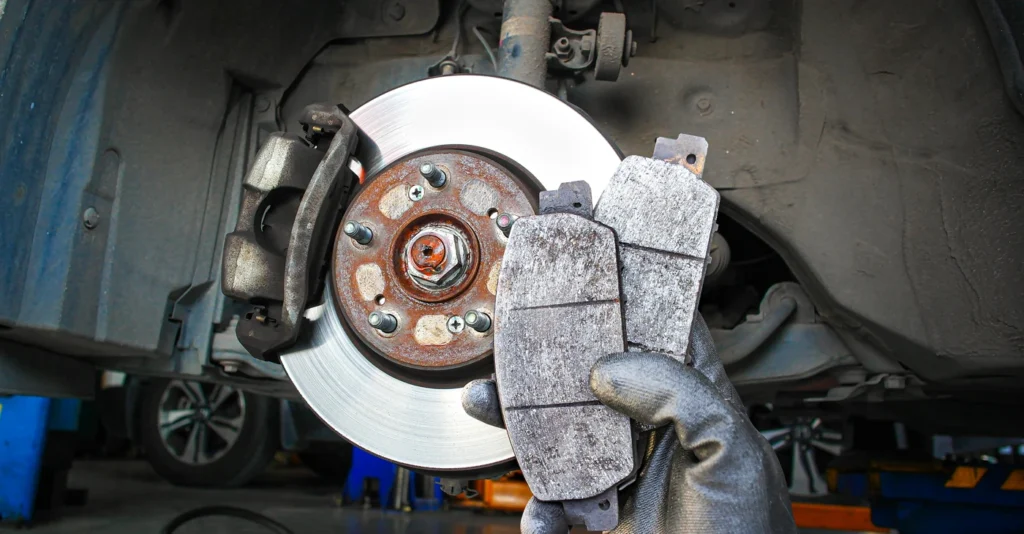
Your vehicle’s braking system is one of its most critical safety components, making regular brake pad inspection essential for safe driving. Learning how to inspect brake pads helps you catch early signs of wear, prevent costly repairs, and maintain optimal stopping performance. Whether you’re hearing unusual noises or simply following routine maintenance, knowing how to check brake pads properly can extend the life of your brakes and give you confidence every time you’re on the road.
In this blog, we will first examine the signs that indicate your brake pads need to be changed. Then, we will discuss how to check the brake pads with and without removing the wheel.
If you are searching for brake repair Houston, trust Eric’s Car Care, a trusted auto repair Houston shop offering inspections and reliable brake pad replacement backed by certified technicians.
Signs Your Brake Pads Need Inspection
Knowing when to schedule a brake pad inspection can help you avoid unsafe driving conditions and expensive repairs.
- High-pitched squealing or grinding noise
- When your wheels start staying unusually clean
- Reduced braking performance
- Vibrating brake pedal
- Dashboard warning light
- Vehicle pulling to one side when braking
- Brakes feeling less responsive
- Pads should be inspected if less than 1/4 inch thick.
Read Related: When to change brake pads
Tools You Need to Inspect Brake Pads
Before you begin inspecting your brake pads, it’s important to have the right tools on hand to ensure the process is safe, accurate, and efficient.
- Flashlight
- Jack and jack stands
- Lug wrench
- Gloves and safety glasses
- Brake Pad Gauge or Ruler
- Brake inspection mirror (optional)
How to Inspect Brake Pads Without Removing the Wheel
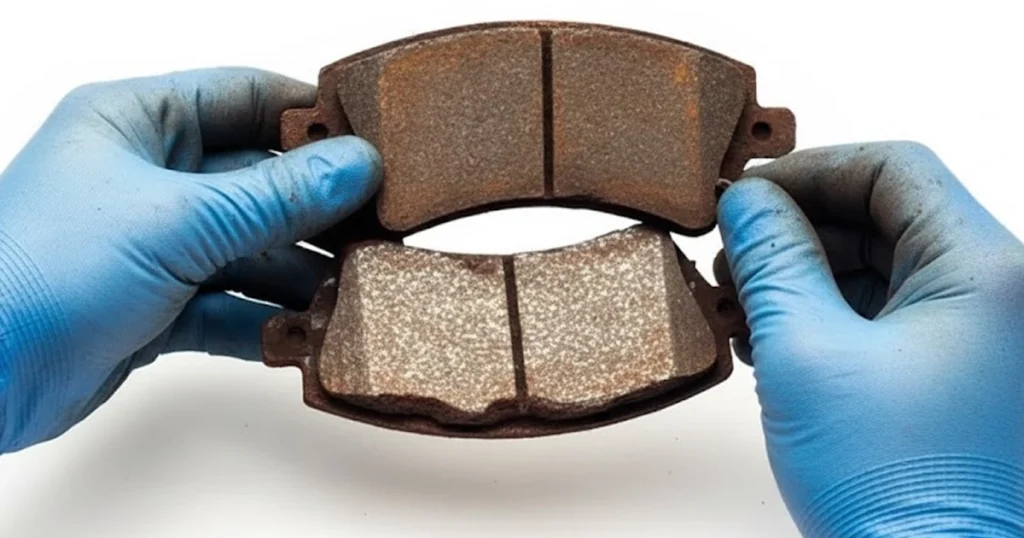
You can inspect brake pads without removing the wheel by following a few simple steps, making this a quick and beginner-friendly brake pad inspection method.
Step #1:
First, park your car on a flat surface, turn off the engine, and engage the parking brake. Use a flashlight to look through the spaces in the wheel or rim. Many alloy wheels allow you to see the brake caliper and pads inside. Shine the light toward the brake caliper and locate the brake pad pressed against the rotor.
Step #2:
Next, check the thickness of the brake pad material. If the pad looks less than about ¼ inch thick, it may be worn and need replacement. You can also use a small inspection mirror to get a better angle if visibility is limited.
While this method helps you inspect brake pads quickly, it’s best used as a visual check. For a more accurate brake pad inspection, removing the wheel or visiting a trusted auto repair near me service is recommended if you notice noise, vibrations, or reduced braking performance.
How to Inspect Brake Pads by Removing the Wheel
To inspect brake pads more accurately, removing the wheel gives you a clear view of the brake components and makes brake pad inspection easy to understand, even for beginners.
Start by parking your car on a flat surface, turning off the engine, and engaging the parking brake. Loosen the lug nuts slightly, then use a jack to lift the vehicle and secure it with jack stands. Once the car is safely raised, remove the lug nuts and take off the wheel.
Next, locate the brake caliper and rotor. The brake pads sit inside the caliper on both sides of the rotor. Visually check the thickness of the brake pad material—if it’s less than about ¼ inch, the pads are worn and should be replaced. Also look for uneven wear, cracks, or signs of damage.
After completing the brake pad inspection, reinstall the wheel, tighten the lug nuts securely, and lower the vehicle. This method allows you to inspect brake pads thoroughly and helps you decide whether maintenance or replacement is needed.
Other Manual Methods for Brake Pad Inspection
Here are a few other simple manual methods you can use to inspect brake pads and perform a basic brake pad inspection, even if you’re not a professional:
- Listen for brake noises: Pay attention to squealing, grinding, or scraping sounds when braking. These noises often signal that brake pads are wearing thin.
- Check the brake pedal feel: Press the brake pedal while driving at low speed. If it feels soft, spongy, or vibrates, it may indicate worn or uneven brake pads.
- Look through the caliper opening: Some vehicles have a small opening in the brake caliper. Using a flashlight, you can manually check the pad thickness without removing parts.
- Inspect the brake dust buildup: Excessive black dust on wheels can be a sign that brake pads are wearing down faster than normal.
- Observe braking behavior while driving: If the car takes longer to stop or pulls to one side when braking, it’s a strong indicator that a brake pad inspection is needed.
Read more: DIY Guide: How to check brake pads for wear and tear
Schedule Your Brake Pad Inspection with Eric’s Car Care Today
Regularly taking the time to inspect brake pads is one of the simplest ways to stay safe on the road and avoid costly repairs. From visual checks to hands-on methods, knowing how to check brake pads helps you spot early warning signs before bad brake pads compromise your braking performance.
When it’s time for a professional inspection, Eric’s Car Care delivers trusted expertise and proven reliability. Our team of ASE-Certified Technicians performs a detailed evaluation to accurately diagnose brake issues and recommend only what your vehicle truly needs—no unnecessary upsells. Visit Eric’s Car Care today.