
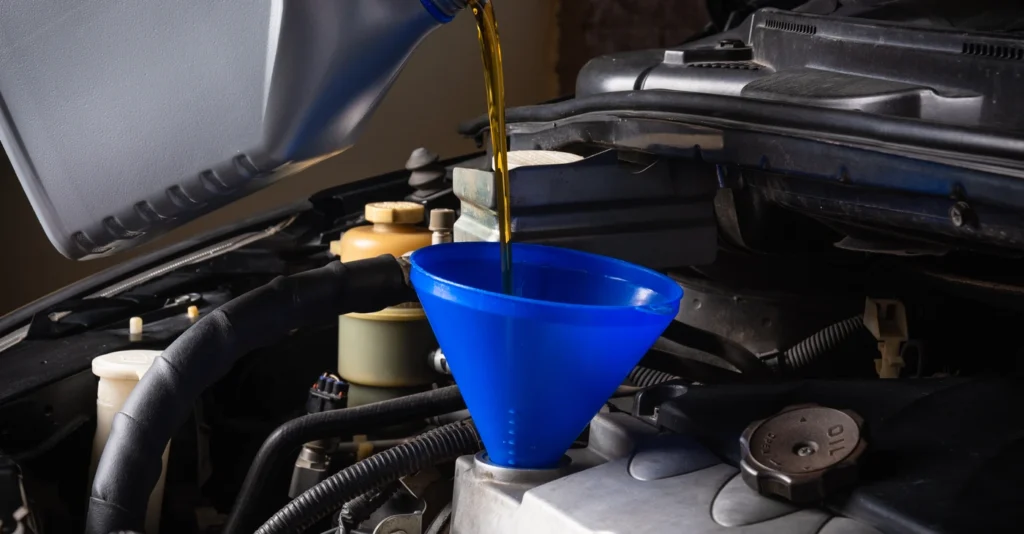
Yes, motor oil does expire. It doesn’t spoil like food, but it breaks down over time and loses its ability to protect your engine properly.
If you’ve ever wondered if engine oil expires, this is a common concern for drivers in Houston and West University. Motor oil can degrade even while sitting in a bottle, which is why regular oil change service matters.
Old or degraded oil reduces engine protection, especially in Texas heat and stop-and-go traffic. If you’re unsure about your oil condition, a quick check at a trusted shop can help prevent costly engine damage.
How Long Does Motor Oil Last?
Motor oil shelf life depends heavily on how it’s stored and whether the container has been opened. Most modern oils don’t have a strict “expiration date,” but manufacturers typically recommend using them within a few years for best performance.
According to the American Petroleum Institute (API), oil quality depends on additive stability over time, even in sealed containers API Engine Oil Information. Once those additives begin to weaken, protection levels drop gradually.
1. Unopened Motor Oil Shelf Life
Unopened oil can usually last 3–5 years if stored in a cool, dry place away from sunlight. However, heat and humidity (common in Houston garages) can slowly reduce oil performance even before it’s used.
The key issue is additive breakdown. These additives help with cleaning, cooling, and engine protection, and they become less effective over time, even if the bottle is sealed.
2. Opened Motor Oil Storage Life
Once opened, motor oil is exposed to air and moisture, which speeds up degradation. For best results, it should be used within 6–12 months after opening. Always tighten the cap properly and store it upright. Even small contamination from dust or water can affect engine performance when the oil is reused.
Read Related: How Long Does Synthetic Oil Last?
Does Motor Oil Go Bad Sitting in an Engine?
Yes, oil can degrade even while sitting inside your engine. This is especially common among drivers who don’t use their cars often or who only drive short distances. If your car sits too long, moisture and fuel residue can mix with the oil and reduce its effectiveness over time.
Read More: What Happens If You Don’t Change Your Oil?
What Happens When Oil Sits Too Long
When oil stays in an engine for months, it can slowly turn thick and dirty. This leads to sludge formation, which restricts oil flow and reduces engine protection.
The Car Care Council notes that regular oil changes are one of the most important steps in preventing engine damage and extending vehicle life.
Short trips make this worse because the engine doesn’t fully heat up. That prevents moisture from evaporating, allowing contamination to build up faster. If your vehicle has been parked for long periods, it’s smart to schedule a quick inspection at a trusted auto repair near me before driving long distances.
Read More: How to find a trustworthy Auto Repair Shop?
Does Motor Oil Degrade Over Time?
Motor oil doesn’t stay chemically stable forever. Heat, oxygen, and contaminants slowly break it down, even if you’re driving regularly. This is why oil changes are based on both mileage and time—not just how far you drive.
Heat and Oxidation Breakdown
Engine heat causes oil oxidation, which thickens the fluid and reduces its ability to lubricate moving parts. Over time, this increases engine friction and wear. In high-temperature climates like Texas, this process can happen faster than expected, especially in heavy traffic.
Contamination from Fuel, Dirt, and Water
During normal driving, small amounts of fuel, dirt, and moisture enter the oil system. Over time, this contamination reduces oil quality and creates sludge buildup. This is why even “clean-looking” oil may still need to be changed based on time intervals.
Synthetic vs Conventional Oil: Which One Lasts Longer?
Not all oils age the same way. Synthetic oil is designed for better stability and longer life compared to conventional oil. This difference matters for drivers dealing with extreme heat, towing, or frequent stop-and-go traffic.
1. Synthetic Motor Oil Lifespan
Synthetic oil resists breakdown better under heat and pressure. Most synthetic oils can last longer between changes, often up to 7,500–10,000 miles, depending on driving habits. It also flows better in extreme temperatures, making it a strong choice for Texas drivers.
2. Conventional Oil Limitations
Conventional oil breaks down faster because it contains fewer refined additives. It typically requires more frequent changes, especially in older engines or harsh driving conditions. If oil changes are delayed, engine wear increases significantly over time.
How to Tell If Engine Oil Is Bad
You don’t always need a mechanic to spot bad oil. A few simple checks can tell you a lot about its condition.
1. Color, Smell, and Texture Changes
Fresh oil is usually amber and smooth. If it looks very dark, gritty, or smells burnt, it’s likely no longer protecting your engine properly. Thick or sludgy oil is a clear warning sign that a change is needed soon.
2. Dipstick Check Method
Pull out the dipstick and wipe it clean, then check the oil again. If the oil looks dirty or feels sticky, it’s time for a change. Low oil levels combined with dark color may also indicate leaks or engine wear.
When Should You Change Your Oil?
Most vehicles follow a 3,000 to 7,500-mile oil change interval, but time matters just as much as mileage. Even if you don’t drive much, oil should still be replaced at least once or twice a year. AAA recommends following the manufacturer’s guidelines and adjusting based on driving conditions like heat, traffic, and short trips. For Houston drivers, heat and congestion often mean oil breaks down faster than average.
Read more: How Often Should You Change Your Oil?
How to Check Engine Oil Expiry Date
Motor oil usually doesn’t have a clear “expiry date,” but you can still gauge its age by checking a few simple things.
- Look at the manufacturing date on the bottle. Most oils are best used within a few years of production.
- If the bottle is old or has been stored in heat or direct sunlight, it may not perform as intended.
- Follow the storage and usage guidelines printed by the manufacturer for the safest results.
- When you’re unsure, replacing old oil is always safer than risking engine damage.
Protect Your Engine with Motor Oil Services at Eric’s Car Care
So, does motor oil expire? The answer is yes, over time, it loses strength whether it’s in a bottle or inside your engine. Heat, moisture, and contamination all reduce its ability to protect your engine.
Staying on top of oil condition and regular maintenance is one of the easiest ways to avoid costly engine repairs and keep your vehicle running smoothly.
For drivers in Houston and West University, Eric’s Car Care has been a trusted name since 1970. With ASE-Certified technicians and a 3-year/36,000-mile warranty, they make it easy to keep your engine protected and reliable. Learn more at our website and schedule your next visit before small oil issues turn into major repairs.