
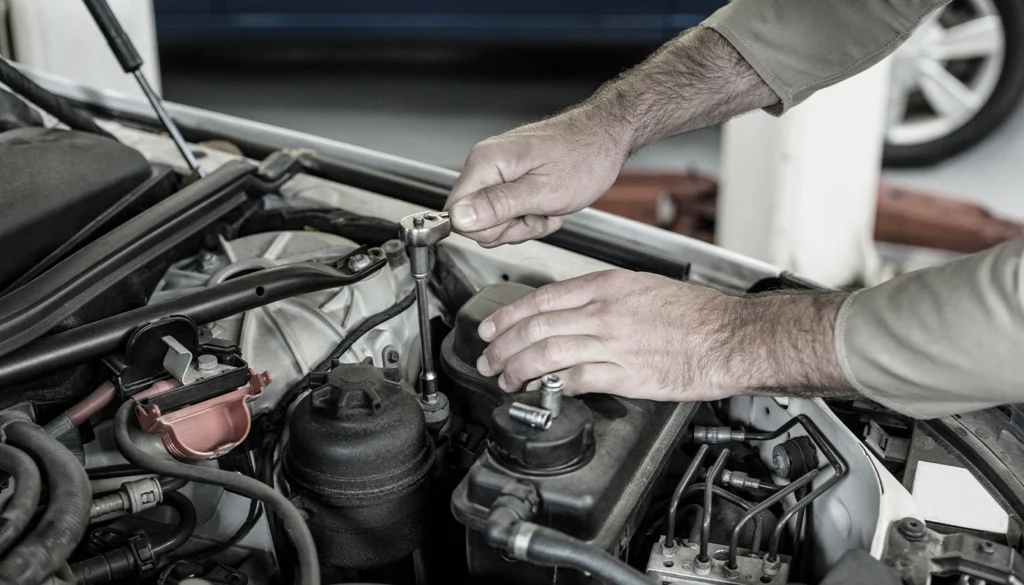
If you notice an oil pressure warning light, unusual engine noises, rising engine temperature, or other signs of low oil pressure, your vehicle may have an oil pump problem. The symptoms of a bad engine oil pump can develop gradually or appear suddenly, and continuing to drive with inadequate oil pressure can cause severe internal engine damage. The oil pump is responsible for circulating engine oil through critical moving parts, so proper diagnosis should not be delayed.
For Houston and Texas drivers, it is important to understand that low oil pressure does not always mean the oil pump itself has failed. Low oil level, oil leaks, a clogged pickup, an incorrect oil filter, a faulty pressure sensor, or internal engine wear can produce similar symptoms. A professional inspection through Auto Repair Houston can help identify the actual cause before unnecessary repairs are performed.
What Does an Engine Oil Pump Do?
The engine oil pump circulates oil from the oil pan through the engine’s lubrication system. It helps deliver oil under pressure to components such as bearings, camshafts, valve-train components, and other moving parts that depend on adequate lubrication.
Engine oil does more than reduce friction. It also helps carry heat away from internal components and transports contaminants toward the oil filter. The U.S. Environmental Protection Agency explains that motor oil can accumulate dirt, metal particles, water, and other contaminants during normal use, which is why used oil eventually needs to be replaced.
When the oil pump cannot maintain sufficient flow or pressure, critical engine components may not receive the lubrication they need.
What Are the Symptoms of a Bad Engine Oil Pump?
The most common symptoms of a bad engine oil pump involve low oil pressure and inadequate oil circulation. However, none of these symptoms alone proves that the pump has failed.
1. Oil Pressure Warning Light Comes On
The oil pressure warning light is one of the most important signs to take seriously. If it stays illuminated after the engine starts or comes on while driving, the engine may not have adequate oil pressure.
A low oil level can trigger the same warning, as can a sensor or lubrication-system problem. NHTSA-published vehicle guidance warns drivers not to continue operating an engine when low oil pressure is present because serious mechanical damage can occur quickly.
If the warning light appears, safely pull over, turn off the engine, and check the oil level according to the vehicle manufacturer’s instructions.
2. Ticking, Tapping, or Knocking Sounds
Unusual engine noises can occur when oil does not reach internal components properly. A ticking or tapping sound may come from the valve train, while deeper knocking can indicate more serious internal engine problems.
These sounds can also have causes unrelated to the oil pump. For that reason, noise should be evaluated together with oil level, oil pressure, engine temperature, and other symptoms.
3. Low Oil Pressure
Low oil pressure is a key warning sign of a possible lubrication-system problem. A failing pump may not create enough pressure to circulate oil effectively, but a technician should also check for low oil level, restrictions, leaks, worn engine components, or a faulty pressure sensor.
An accurate oil pressure test can help determine whether the engine is actually experiencing low pressure and how severe the problem may be.
4. Engine Runs Hotter Than Normal
Engine oil helps lubricate and transfer heat away from certain internal components. If oil circulation is reduced, some parts may operate with insufficient lubrication and cooling.
However, overheating can also result from coolant leaks, thermostat problems, radiator issues, cooling fan failures, or other cooling-system faults. When overheating occurs together with an oil pressure warning, shut the engine down and have it inspected.
5. Reduced Engine Performance
A lubrication problem can sometimes be accompanied by rough running, reduced performance, or unusual engine behavior. These symptoms are not specific to oil pump failure, however.
Ignition problems, fuel-system issues, timing concerns, restricted airflow, and internal engine damage can also reduce performance. A combination of reduced performance and an oil pressure warning deserves prompt attention.
6. Increased Engine Noise at Idle
Some lubrication problems become more noticeable when the engine is idling because oil pressure can vary with engine speed. If the engine becomes noticeably noisier at idle and the oil pressure warning light appears, the vehicle should be inspected rather than driven until the noise disappears.
What Causes an Engine Oil Pump to Fail?
Several conditions can contribute to engine oil pump problems. Identifying the underlying cause is important because replacing the pump alone may not correct the problem.
Normal Wear and Internal Damage
Like other mechanical components, an oil pump can wear over time. Internal wear may reduce the pump’s ability to maintain the pressure required by the engine.
The severity and likelihood of wear depend on the vehicle, engine design, maintenance history, mileage, oil condition, and operating conditions.
Low or Incorrect Oil Level
An engine needs an adequate supply of oil for the pump to circulate. If the oil level becomes too low, the pump may not be able to maintain normal oil flow and pressure.
Overfilling is also undesirable. Drivers should follow the vehicle manufacturer’s recommended oil type and capacity instead of adding oil based only on a generic recommendation.
Sludge and Contaminated Oil
Old or contaminated oil can contain deposits and particles that interfere with lubrication-system operation. The EPA notes that used oil can collect contaminants during normal engine operation.
Regular oil and filter service helps maintain the lubrication system and gives technicians an opportunity to identify leaks or other problems.
Blocked Oil Pickup or Filter
The oil pump draws oil through the pickup system before circulating it through the engine. A restriction in the pickup or lubrication system can interfere with oil flow and create symptoms that resemble pump failure.
A restricted or incorrectly installed oil filter can also affect lubrication-system performance depending on the vehicle’s design.
How Is a Bad Oil Pump Diagnosed?
A bad oil pump should be diagnosed through testing rather than symptoms alone. A technician typically checks the oil level and condition first, then investigates the actual oil pressure and related components.
What Does an Oil Pressure Test Check?
A mechanical oil pressure test measures actual pressure at the engine and allows the technician to compare the reading with manufacturer specifications. Additional inspection may include the oil filter, pickup tube, pressure sensor, wiring, pump, and internal engine components.
A warning light does not automatically mean the pump is defective. NHTSA-published material also shows that an oil pressure warning can indicate that oil is not circulating properly and may be associated with low oil or another system problem.
Why Should the Cause Be Confirmed Before Repair?
Replacing an oil pump without confirming the source of low pressure can result in unnecessary expense. If the actual problem is low oil, a restricted pickup, a sensor fault, or excessive internal engine clearance, installing a new pump may not resolve the condition.
For drivers researching oil pump repair Houston services, choosing a shop that performs proper oil pressure testing can help ensure the repair addresses the underlying problem.
Can You Drive With a Bad Oil Pump?
You should not continue driving when an oil pressure warning remains illuminated or when low oil pressure has been confirmed. Low oil pressure can prevent adequate lubrication and lead to rapid internal engine wear or damage.
NHTSA-published vehicle guidance instructs drivers to safely park, shut off the engine, check the oil level, and seek service if the low oil pressure indicator remains on.
What Should You Do When the Oil Pressure Light Comes On?
Follow these basic steps:
- Safely move the vehicle away from traffic when possible.
- Turn off the engine.
- Allow the vehicle to sit safely before checking the oil.
- Check the oil level according to the owner’s manual.
- Add the correct oil only if the level is low and the manufacturer’s instructions permit it.
- If the warning remains, avoid driving and arrange professional inspection.
- Have the oil pressure and lubrication system tested before assuming the pump needs replacement.
If you need routine maintenance after addressing the warning, an oil change in houston tx can help keep the lubrication system properly serviced.
How Can Houston Drivers Prevent Oil Pump Problems?
Oil pump failure cannot always be prevented, but consistent maintenance can reduce avoidable lubrication problems.
Follow the Manufacturer’s Oil Change Schedule
Use the oil viscosity and specification recommended for your vehicle. Do not automatically follow a generic mileage interval if your owner’s manual specifies a different schedule.
The EPA explains that used oil becomes contaminated during normal use and eventually needs replacement or re-refining.
Check Your Oil Level Regularly
Checking the oil level periodically can help identify leaks or excessive consumption before they contribute to low oil pressure. Always park the vehicle as recommended by the manufacturer and use the correct procedure for checking the level.
Pay Attention to Warning Signs
Do not ignore an oil pressure warning, new engine noise, or repeated need to add oil. Early diagnosis may help prevent a minor lubrication-system issue from developing into major engine damage.
The EPA also recommends properly managing used motor oil because it can contain contaminants and should not be disposed of improperly.
Houston Driving Conditions and Engine Maintenance
Houston drivers regularly deal with hot weather, heavy traffic, stop-and-go driving, and long commutes. These conditions can place additional demands on vehicles, making consistent maintenance particularly important.
If you need to stop because of an oil pressure warning or another mechanical problem, plan your route carefully and use current road information before getting back on the road. The Texas Department of Transportation’s DriveTexas service provides real-time information about traffic, closures, construction, road damage, and weather-related conditions across Texas.
Practical Maintenance Checklist
Use this checklist to stay ahead of potential lubrication problems:
- Check engine oil at the intervals recommended by the manufacturer.
- Use the correct oil specification and viscosity.
- Replace the oil filter when required.
- Look underneath the vehicle for signs of oil leakage.
- Respond immediately to an oil pressure warning light.
- Pay attention to new ticking, tapping, or knocking noises.
- Do not assume every low-pressure warning means the oil pump has failed.
- Have abnormal oil pressure professionally tested.
- Keep records of oil and filter services.
- Dispose of used motor oil responsibly if you perform maintenance yourself. The EPA provides guidance on proper used-oil handling and recycling.
Schedule Engine Inspection
Keep Your Engine Protected From Oil Pump Failure
The symptoms of a bad engine oil pump can include an oil pressure warning light, low oil pressure, ticking or knocking sounds, abnormal engine temperature, increased engine noise, and changes in engine performance. These signs should not automatically be blamed on the oil pump because several other lubrication and engine problems can produce similar symptoms.
For Houston drivers, the safest approach is to respond quickly to an oil pressure warning, check the oil level as instructed by the vehicle manufacturer, and arrange a professional diagnosis when the warning remains or other symptoms develop. Proper testing can determine whether the issue involves the oil pump, oil supply, filter, pressure sensor, pickup system, or internal engine components.
If you are experiencing possible oil pump symptoms or another vehicle maintenance concern, Eric’s Car Care is available to help you identify the problem and determine the appropriate repair.
Book Your Repair Today
Key Takeaways
- The most important symptoms of a bad engine oil pump include low oil pressure and a persistent oil pressure warning light.
- Ticking, tapping, knocking, overheating, and reduced performance can accompany lubrication problems.
- Low oil level, leaks, restrictions, sensor problems, and engine wear can mimic oil pump failure.
- A mechanical oil pressure test can help confirm whether pressure is actually below specifications.
- Driving with confirmed low oil pressure can cause serious engine damage.
- Regular oil changes, correct oil levels, and proper oil specifications support engine lubrication.
- Houston drivers should address oil pressure warnings promptly rather than continuing to drive and hoping the warning disappears.