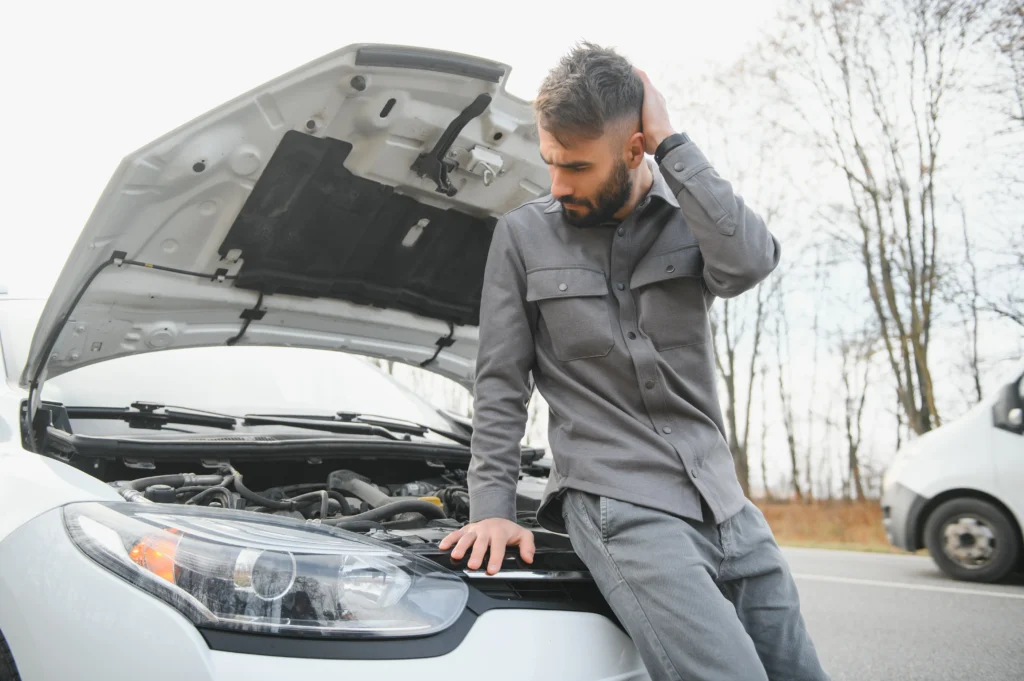
Cars make plenty of normal sounds, but a high-pitched whistle coming from the engine bay is not one of them. A whistling noise under the hood usually means air, fluid, or a moving part is not behaving the way it should. Sometimes the cause is minor, like a loose hose clamp. Other times, it points to a failing belt, a turbocharger problem, or trouble with your air conditioning system. If the sound gets louder when your AC is on, scheduling Houston AC repair can stop a small problem before summer heat makes it worse.
In this guide, we walk through the most common reasons for a whistle under the hood, how to narrow it down, and when to bring your car in. Book a diagnostic with Eric’s Car Care if the noise does not go away.
7 Common Causes Of An Engine Bay Whistle
1. Vacuum Leaks
Your engine relies on vacuum hoses to manage airflow. A cracked hose or loose connection can create a whistle, especially at idle. Vacuum leaks may also cause a rough idle, poor fuel economy, or a check engine light.
2. Worn Or Loose Serpentine Belt
A belt that is glazed, stretched, or not tensioned correctly may squeal or whistle, often when starting the car or turning on accessories like the AC.
3. Failing Pulleys Or Tensioner
Worn bearings in idler pulleys or the belt tensioner can produce a whistling or chirping sound that changes with engine speed.
4. Air Intake Leaks
A loose air filter housing or cracked intake duct can let air rush in around the filter, creating a whistle and allowing dirt into the engine.
5. Turbocharger Problems
On turbocharged engines, some spool sound is normal. A louder whistle or siren-like noise, especially with lost power, may point to a boost leak or worn turbo bearings.
6. AC Compressor Or Clutch Issues
If the whistle starts when you turn on the air conditioning, you may have a failing AC compressor or a worn clutch. Low refrigerant can also make the system work harder and produce unusual noises.
7. Cooling System Pressure
A faulty radiator cap or small leak can cause hot coolant to escape with a hiss or whistle. This may be accompanied by rising engine temperature.
How To Narrow Down The Source
- Whistle at idle that changes with RPM: This is often a vacuum leak or a pulley problem.
- Whistle only when AC is on: This is often the AC compressor or belt.
- Whistle under acceleration: This may point to a turbo or intake leak.
- Whistle after the engine is hot: This may point to the cooling system.
- Whistle with a check engine light: This may indicate a vacuum or air leak.
Is It Safe To Keep Driving?
A faint whistle may not be an emergency, but it should be checked soon. If the noise comes with overheating, steam, a burning smell, loss of power, or a warning light, pull over and have the car inspected before driving further. A broken belt can disable your power steering, alternator, and water pump at the same time.
What Happens During A Diagnostic?
Our technicians listen to the engine at different speeds, inspect belts and hoses, perform smoke tests to find vacuum leaks, check boost pressure on turbo engines, and test AC system pressures. Finding the exact source helps avoid unnecessary repairs. For drivers looking for honest auto repair Houston, TX, a clear diagnosis is the first step.
When Is AC Compressor Replacement Needed?
If the compressor bearings are failing, the clutch is slipping, or the compressor no longer builds pressure, it may need to be replaced. Ignoring a noisy compressor can lead to metal debris contaminating the entire AC system, which makes repairs more expensive. In Houston’s long, hot summers, timely AC compressor replacement keeps your cabin cool and protects other system parts.
Tips To Prevent Engine Bay Noises
- Inspect belts and hoses at every oil change.
- Replace the serpentine belt at recommended intervals.
- Keep the air filter housing secure after filter changes.
- Run your AC regularly, even in cooler months, to keep seals lubricated.
Engine Noise Diagnostics At Eric’s Car Care
Strange noises are your car’s early warning system. Eric’s Car Care has helped Houston drivers for decades, with locations near the Medical Center and Rice Village. Our technicians diagnose whistles, squeals, and hisses quickly and explain your options clearly. Contact us today to schedule an inspection.
Frequently Asked Questions
Can Low Oil Cause A Whistling Noise?
Low oil more often causes ticking or knocking, but it can affect turbo bearings and lead to whistling on turbocharged engines. A turbo spins at very high speeds and relies on a steady supply of clean oil for lubrication and cooling. If you notice a whistle along with an oil pressure warning light, check your oil level right away and have the system inspected before the turbo is damaged.
Why Does My Car Whistle When I Accelerate?
Common causes include intake leaks, turbo issues, or vacuum leaks that change with engine load. When you press the gas, the engine pulls in more air and builds more pressure, so a small leak or worn part that stays quiet at idle can start to whistle. If the sound also comes with hesitation, lost power, or a check engine light, a technician can run a smoke test or check boost pressure to find the exact source.
Is A Whistling Noise Expensive To Fix?
Many causes, such as a cracked hose, are inexpensive. Turbo or compressor repairs cost more. The cost depends on which part is failing and how much labor is needed to reach it, so a proper diagnosis is the best way to get an accurate estimate. Fixing a small leak or loose belt early can also prevent a larger repair later.
Key Takeaways
- A whistle is not a normal engine sound. It usually means air, fluid, or a moving part is not behaving correctly.
- Vacuum and air intake leaks are common causes. They often whistle at idle or change with engine speed.
- Belts and pulleys can whistle too. A worn serpentine belt or tensioner often makes noise when you start the car or turn on the AC.
- Turbo and AC compressor problems cost more. A louder, siren-like whistle or a noise that starts with the AC needs a prompt check.
- Notice when the whistle happens. Idle, acceleration, AC use, or a hot engine each point to different causes.
- Do not keep driving if it comes with warning signs. Overheating, steam, a burning smell, or lost power means pull over.
- Regular maintenance prevents most noises. Inspect belts and hoses at every oil change, and replace the serpentine belt on schedule.