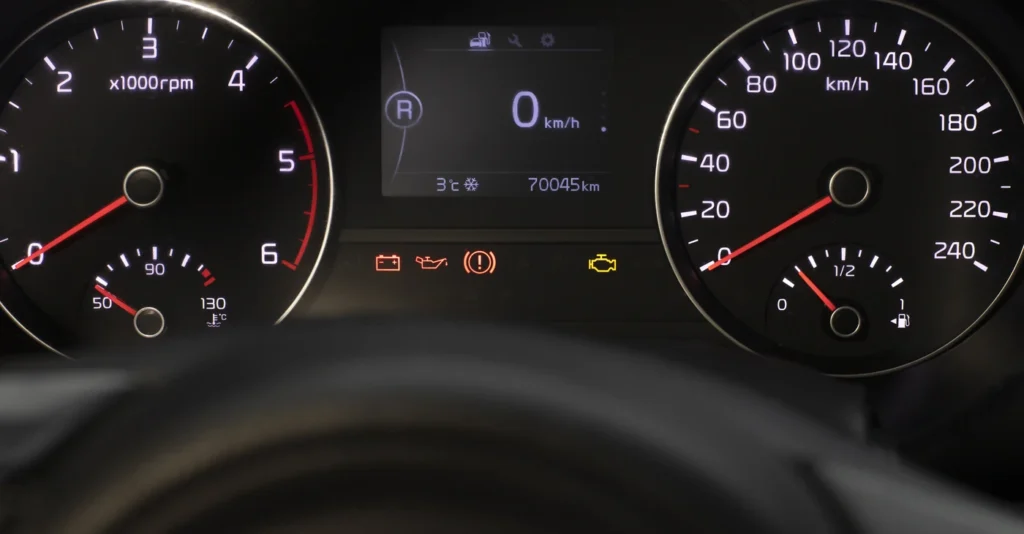
Dashboard warning lights in European cars are designed to alert drivers about potential problems before they become serious mechanical failures. Vehicles from brands like BMW, Mercedes-Benz, Audi, Volkswagen, and Volvo use advanced onboard diagnostic systems that monitor engine performance, braking systems, emissions, battery health, coolant temperature, and more. Some warning lights simply indicate scheduled maintenance, while others signal urgent issues that require immediate attention to avoid costly repairs or safety risks.
Understanding what these alert lights mean can help you respond quickly and prevent further vehicle damage. Flashing engine lights, oil pressure warnings, overheating alerts, or brake system indicators should never be ignored, especially in European vehicles with complex electronic systems. If you are unsure about a warning symbol or your car begins performing unusually, searching for Auto Repair near me can help you find experienced technicians who specialize in diagnosing and repairing European vehicles properly.
What Do Dashboard Lights Mean?
Dashboard lights are your car’s earliest line of defense against small problems becoming breakdowns. For European cars like BMW, Mercedes-Benz, Audi, Volkswagen, Volvo, and others these lights often signal advanced systems working behind the scenes: turbocharging, diesel particulate filters, stability control, and sophisticated emission controls. A single glowing icon can mean anything from a low-voltage battery to a failing turbocharger. Recognizing the difference between a soft warning (service due) and a hard-alert (stop immediately) can protect you and save costly repairs.
Common European Car Warning Lights
- Check Engine / Malfunction Indicator Lamp (MIL): This is the most common light. It can indicate minor issues like a loose gas cap or major problems like misfires, oxygen sensor failure, or turbo faults. Diesel European models may also trigger this when the DPF needs regeneration.
- Diesel Particulate Filter (DPF) / Glow Plug Indicator: Diesel vehicles show specific warnings related to the DPF or glow plugs. If you see a DPF light, avoid low-speed, short trips; a forced regeneration or professional cleaning may be required.
- Oil Pressure Light: When the oil pressure light illuminates, stop driving as soon as safely possible. Low oil pressure risks severe engine damage. European engines, especially performance models, can be sensitive to oil quantity and quality.
- Battery / Charging System: This indicates the battery isn’t being charged. It could be a failing alternator, belt issue, or battery nearing end of life. European cars often have smart batteries and charging systems that require proper diagnostics tools.
- ABS / Brake Warning: ABS or brake lights can indicate wheel sensor issues, low brake fluid, or worn pads. Some models combine ABS with traction control faults, so the vehicle’s handling may change.
- Coolant Temperature / Overheat: A high-temp warning is urgent. Pull over safely and check coolant levels only after the engine cools. European engines sometimes run hotter; low coolant, leaks, or a failed thermostat can cause rapid overheating.
- Traction Control / ESP (Electronic Stability Program): This light often flashes during slippery conditions. If it stays on, a sensor or module may be faulty. Driving without ESP can be less safe in poor conditions.
- Airbag / SRS Warning: A lit airbag light means the restraint system may not deploy in a crash. Don’t ignore this safety systems must be functional.
- Tire Pressure Monitoring System (TPMS): Low tire pressure affects fuel economy, handling, and tire life. Some European cars are particular about recommended pressures; check and re-inflate to spec.
- Service Due / Maintenance Reminder: Many European manufacturers include interval reminders tied to onboard diagnostics. These are usually informational but should prompt scheduled maintenance to prevent long-term issues.
Initial Checks vs. Professional Diagnostics
When a warning light appears on your dashboard, performing a few basic checks can help you determine whether the issue is minor or requires immediate professional attention. Some alerts are temporary and may clear after restarting the vehicle, while others indicate serious mechanical or safety-related problems. Understanding the difference between simple inspections and advanced diagnostics can help prevent unnecessary repairs and costly breakdowns.
| Warning Sign or Issue | Initial Check You Can Do | When to Seek Professional Help |
| Check Engine Light | Restart vehicle and check fuel cap | Flashing light or reduced performance |
| Oil Pressure Light | Check engine oil level | Light stays on while driving |
| Coolant Temperature Warning | Inspect coolant level after engine cools | Engine overheating or coolant leaks |
| Battery Warning Light | Check battery terminals for corrosion | Vehicle struggles to start or loses power |
| TPMS / Tire Pressure Light | Check and inflate tires to recommended PSI | Light stays on after correcting pressure |
| ABS / Brake Warning | Check brake fluid level | Braking feels unsafe or warning persists |
| DPF Warning (Diesel Models) | Avoid short trips and drive at highway speed | Forced regeneration or cleaning needed |
| AC or Electrical Faults | Restart system and inspect visible wiring | Burning smell, flickering lights, or system failure |
For complex diagnostics, look for a trusted european car repair Shop near me or call a european auto repair Houston who uses OEM-level scan tools. Modern European vehicles often require manufacturer-specific diagnostic software to read advanced modules like transmission, air suspension, and engine control units accurately.
Why Choose a European Specialist?
European cars benefit from technicians trained on the nuances of each brand: lubricant specs, software updates, and calibration processes. Independent shops that focus on European auto repair services can offer OEM-quality work at better value than dealers, but confirm they have up-to-date tools and access to parts.
Need Help Now?
If you drive a European vehicle in Houston and need expert attention, check out European Auto Repair Houston for experienced, local care. For comprehensive service and honest diagnostics, consider trusted providers like Eric’s Car Care, they specialize in European makes and can help diagnose and fix complex dashboard alerts.