
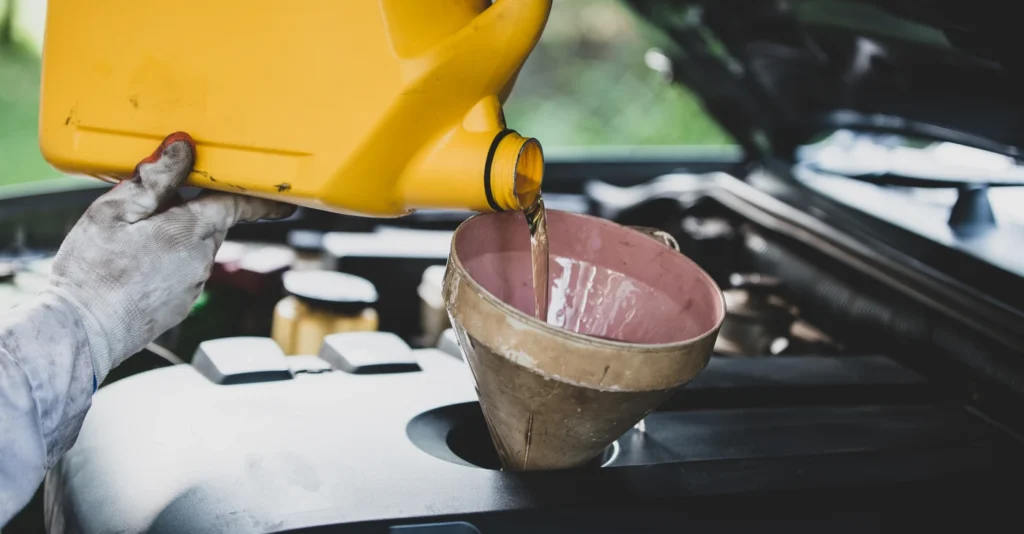
An oil pan leak is one of the most common yet often overlooked engine problems that can lead to serious damage if ignored. Whether it’s caused by wear and tear, road debris, or age-related corrosion, an oil leak from the oil pan gasket can allow engine oil to escape and leave you dealing with low oil levels and potential engine failure. The deep part of an oil pan is called the oil sump, and when you notice a leaking oil sump, it’s a clear sign that something isn’t sealed or protected properly.
In this blog, we’ll break down the main causes behind oil pan leaks and explain the most effective fixes to keep your engine properly lubricated and running safely.
If you prefer to trust the experts, simply search auto repair near me and visit our trusted auto repair Houston shop. If you need to repair an oil pan leak right away, visit our oil change Houston page to have it handled with care by experienced technicians.
What Is an Oil Pan and What Does It Do?
An oil pan is a metal container located at the bottom of your car’s engine. Its main job is to store engine oil when it’s not circulating through the engine. The oil pan holds this oil safely so it can be pumped to different engine parts to keep them lubricated, cool, and running smoothly.
The deeper section of the oil pan, called the oil sump, is where most of the oil collects. From here, the oil pump pulls oil and sends it through the engine to reduce friction and prevent overheating. In simple terms, the oil pan acts like a storage tank for your engine oil—without it, your engine wouldn’t get the lubrication it needs to stay healthy.
What Causes an Oil Pan Leak?
An oil pan leak happens when engine oil escapes from the oil pan, which can lead to low oil levels and serious engine problems if ignored. Here’s why it usually happens:
- Worn or Damaged Gasket: The gasket is a thin rubber or silicone seal that sits between the oil pan and the engine. Over time, heat and age can make it brittle or cracked. When this happens, oil starts to seep out, which is often called an oil leak from the oil pan gasket.
- Loose or Stripped Bolts: The oil pan is held in place by bolts. If these bolts become loose or stripped, the seal between the oil pan and the engine isn’t tight anymore. This allows oil to leak out slowly.
- Cracked or Dented Oil Pan: The oil pan sits at the bottom of the engine and can get damaged if you hit a rock, speed bump, or debris on the road. Even a small crack or dent can cause a leaking oil sump, letting oil drip onto the ground.
- Corrosion or Rust: Over time, water, salt, and road chemicals can cause the oil pan to rust, especially in older cars. Rust can create tiny holes, which let engine oil escape.
- Overtightened Bolts: While loose bolts cause leaks, bolts that are too tight can also be a problem. They can warp the oil pan or damage the gasket, leading to oil escaping from the pan.
- Faulty Drain Plug: The drain plug is the small bolt at the bottom of the oil pan used during oil changes. If it’s worn, stripped, or not sealed correctly, it can let oil leak out. Even a tiny leak here can reduce oil levels over time.
Read more: Why is my car leaking oil?
Symptoms of an Oil Pan Leak
If you suspect an oil pan leak, it’s important to watch for early warning signs. Recognizing these symptoms quickly can help you prevent serious engine damage and costly repairs.
- Puddles of Oil Under Your Car: The most obvious sign is spotting oil on the ground where you park. A damaged oil pan will let oil drip out, creating visible puddles.
- Low Engine Oil Levels: If you notice that your oil level drops quickly even after topping it up, it’s a strong sign of an oil leak.
- Burning Oil Smell: Oil leaking onto hot engine parts can produce a strong, burning smell. This often happens if the oil drips onto the exhaust or other hot components.
- Smoke from the Engine: If leaking oil touches the exhaust system, you might see blue or gray smoke coming from under the hood or from the tailpipe.
- Warning Lights on Dashboard: Many modern cars have an oil pressure or check engine light. A drop in oil level caused by a leak can trigger these alerts.
- Unusual Engine Noise: Oil keeps the engine lubricated. If the oil level gets too low because of a leak, you might hear knocking or ticking sounds from the engine.
If you’re experiencing any of these symptoms and prefer not to fix it yourself, visit our trusted auto repair Houston shop to have the problem diagnosed and repaired by professionals.
How to Fix an Oil Pan Leak: Step-by-Step
If your car is dripping oil, it can be worrying, but fixing an oil pan leak doesn’t have to be confusing. Think of it as a journey: first, you identify the problem, then tackle its source, and finally ensure your engine is safe and running smoothly. Here’s how to go about it:
1. Start by Identifying the Leak
The first step is to know exactly where the oil is coming from. Park your car on a flat surface and place a clean sheet of cardboard under the engine overnight. Check the next day for oil spots. Most oil pan leaks come from:
- A worn or damaged oil pan gasket
- A loose or faulty drain plug
- A cracked or dented oil pan
Noticing where the oil is dripping helps you decide the right fix.
2. Check the Drain Plug
Once you’ve found the leak, inspect the drain plug at the bottom of the oil pan. Sometimes a leak is caused by a loose or faulty drain plug. Here’s what to do:
- Make sure it’s tightened to the proper torque.
- If the washer is worn or damaged, replace it.
- If the plug itself is stripped or cracked, replace it with a new one.
Fixing the drain plug is the simplest solution and can often stop the leak immediately.
3. Focus on the Gasket
If the leak continues after checking the drain plug, the next culprit is usually the oil pan gasket. Replacing it is called changing the oil pan gasket, and it requires a few steps:
- Drain all the engine oil safely.
- Remove the bolts holding the oil pan.
- Carefully take off the oil pan and remove the old gasket.
- Clean the surfaces to remove any oil residue.
- Install a new gasket and reattach the oil pan.
- Refill the engine with fresh oil.
This step solves most oil pan leaks caused by age or wear.
4. Repair or Replace the Oil Pan
Sometimes, the oil pan itself is damaged, possibly due to cracks, bending, or rust. In this case, the leak won’t stop until the pan is repaired or replaced. Replacing the oil pan is usually the safest option and ensures a long-lasting fix.
5. Finish by Testing Your Fix
After replacing the gasket, tightening the drain plug, or swapping the oil pan:
- Refill the engine with the correct type and amount of oil.
- Start the car and let it run for a few minutes.
- Check under the car for any signs of fresh oil.
If your car is no longer dripping oil, congratulations! You’ve successfully fixed the leak.
Pro Tip: Even after fixing an oil pan leak, it’s a good idea to monitor and check the oil level for the next few days. This ensures everything is sealed properly and your engine stays protected.
Protect Your Engine with Expert Oil Leak Repairs
An oil pan leak may start small, but if left unchecked, it can lead to low oil levels and serious engine damage. From worn gaskets to damaged pans, catching and fixing leaks early is the key to protecting your engine.
At Eric’s Car Care, we specialize in inspecting and repairing oil leaks with precision and care. Our ASE-Certified Technicians know exactly how to diagnose the problem and recommend the right solution, whether it’s a repair or a complete oil change in Houston. When it comes to keeping your engine safe and leak-free, you can count on Eric’s Car Care to do it right the first time.