
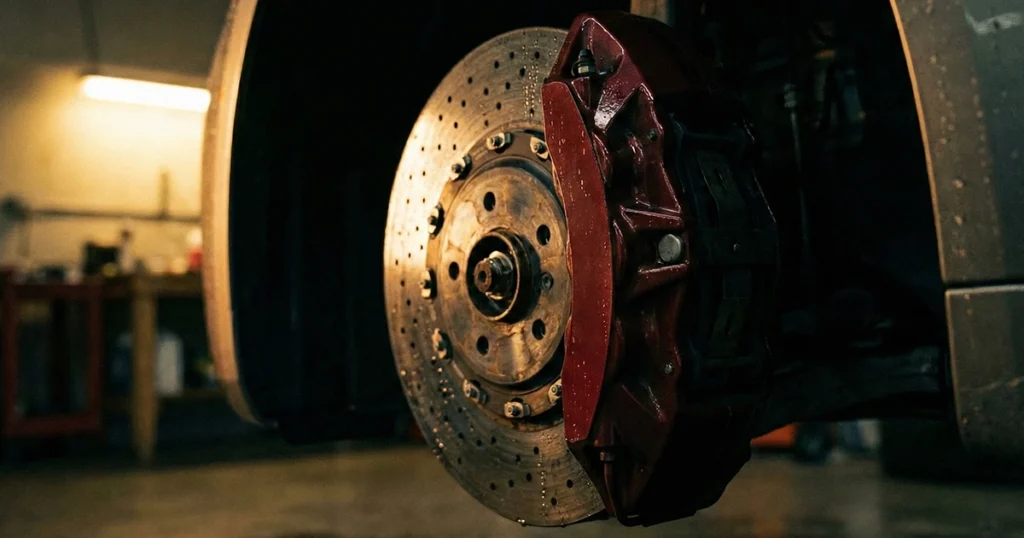
A brake caliper is a critical hydraulic, metal clamping component and a key part of the disc brake system that holds the brake pads and applies pressure to them when you press the brake pedal, helping slow or stop your vehicle. Simply put, the car caliper converts hydraulic pressure into mechanical force, creating friction against the brake rotor to ensure smooth and reliable braking every time you drive.
In this blog, we’ll explore how it works, its role in the car’s braking system, and the different types and main parts that ensure safe and reliable braking and if you notice signs that your caliper needs immediate replacement, search brake repair Houston and visit Eric’s Car Care, a trusted auto repair Houston shop with Neighborhood FAVE Awards, offering reliable brake caliper replacement backed by ASE-Certified Technicians who put your safety first.
How Does a Brake Caliper Work and What Is Its Role?
A brake caliper works by turning the pressure from your brake pedal into the force that slows your car down. When you press the brake pedal, brake fluid is pushed through the brake lines to the calipers. This hydraulic pressure causes the caliper to squeeze the brake pads against the brake rotor, creating friction that slows or stops the wheel.
In most vehicles, the front brake caliper does most of the braking because the car’s weight shifts forward when slowing down. The rear brake caliper also plays an important role by helping maintain balance, stability, and smooth stopping. Together, both calipers ensure even braking, better control, and safer driving every time you hit the brakes.
Types of Brake Calipers
Brake calipers come in different types, each designed to work with specific braking needs and vehicle designs. Here’s a simple breakdown of the main types of brake calipers and how they work:
1. Fixed Brake Caliper
A fixed caliper stays in one position and does not move. It usually has pistons on both sides of the brake rotor, which press the brake pads evenly when you apply the brakes. Fixed calipers offer strong, consistent braking and are commonly found on performance or heavy-duty vehicles.
2. Floating (Sliding) Brake Caliper
This is the most common type used in everyday cars. A floating caliper has pistons on only one side of the rotor and moves (or slides) back and forth on guide pins. When the piston pushes one brake pad, the caliper slides to pull the other pad against the rotor, creating even pressure.
Main Parts of a Brake Caliper
The brake caliper is made up of several important parts that work together to help your car stop safely and smoothly. Here are the key components explained in a simple way:
- Caliper Body: This is the main metal housing that holds all the other parts together. It fits over the brake rotor and supports the brake pads.
- Brake Pads: Brake pads sit inside the caliper and press against the brake rotor when you apply the brakes. The friction they create is what slows down your vehicle.
- Caliper Piston: The piston is a small metal cylinder inside the caliper. When you press the brake pedal, brake fluid pushes the piston outward, forcing the brake pads against the rotor.
- Brake Caliper Slide Pins (Guide Pins): These pins allow the caliper to slide back and forth evenly. This helps apply equal pressure to both brake pads for smooth and even braking.
- Brake Hose / Brake Line Connection: This is where brake fluid enters the caliper. The fluid pressure is what activates the piston.
- Caliper Seals and Dust Boots: Seals keep brake fluid from leaking, while dust boots protect the piston and internal parts from dirt, water, and debris.
Keep Your Braking System Reliable With Eric’s Car Care
Now that you understand what a brake caliper is and how this essential car caliper helps create the stopping power your vehicle relies on, it’s clear why keeping every brake component in top condition matters. From smooth braking to even pad and rotor wear, a healthy system helps protect your safety on the road.
If you’re noticing signs of wear or need expert brake caliper replacement or brake rotor service, trust Eric’s Car Care for reliable brake repair in Houston. If you are searching for Auto Repair near me, our ASE-Certified Technicians use high-quality OEM-compatible parts to deliver precise, long-lasting repairs you can count on. Drive with confidence knowing your brakes are in expert hands.