
If you’re noticing unusual handling or noise, understanding bad sway bar link symptoms can help you avoid bigger suspension problems and unsafe driving conditions. These small parts play a big role in keeping your vehicle stable, especially on Houston roads filled with potholes and uneven surfaces. If things feel “off,” it may be time to look into a suspension repair near me before the issue spreads to other components.
What Are Sway Bar Links?
Sway bar links are small connector parts that attach your vehicle’s sway bar to the suspension on each wheel. Their job is to help both sides of the suspension work together when you turn or drive over uneven roads. Without these links working properly, your vehicle can feel unstable or “loose,” especially during turns. Even though they are small and inexpensive parts, they have a big impact on control and comfort.
What Does a Sway Bar Do?
The sway bar (also called an anti-roll bar) helps reduce body lean when your car turns. It keeps the vehicle more level, so you stay stable during cornering or sudden lane changes. According to the National Highway Traffic Safety Administration (NHTSA), stability systems that help control vehicle roll and traction can reduce the risk of fatal single-vehicle crashes. When sway bar components weaken, that stability is reduced, making the vehicle feel less controlled during everyday driving.
Bad Sway Bar Link Symptoms In a Car
The most common symptoms of bad sway bar links usually show up while driving over bumps or turning. These signs often start small but become more noticeable over time.
1. Clunking Noises
One of the earliest and most noticeable signs is a clunking or rattling sound coming from the front or rear suspension. This usually happens when driving over potholes, speed bumps, or uneven roads. The noise comes from a loose or worn-out joint inside the sway bar link that no longer holds tight under pressure. Instead of moving smoothly with the suspension, the metal parts shift and hit against each other.
2. Loose or Wandering Steering Feel
When sway bar links wear out, the steering can start to feel less stable than usual. You may notice the car slightly drifting or feeling “light” in your hands, especially at higher speeds. This happens because the suspension is no longer keeping the tires firmly balanced during movement. Even small steering inputs may feel delayed or less precise than normal.
3. Excessive Body Roll
Body roll refers to how much your car leans when you take a corner. With worn sway bar links, the vehicle leans more than it should, making turns feel less controlled. This happens because the sway bar is not properly transferring force between both sides of the suspension. As a result, one side compresses more than the other, causing that noticeable “tilting” feeling.
4. Uneven Tire Wear
Bad sway bar links can also contribute to uneven tire wear over time. When the suspension is not stable, the tires do not maintain consistent contact with the road surface. This leads to certain areas of the tire wearing down faster than others. You might notice one side of the tire looking more worn or rough compared to the other. If ignored, this can shorten tire life and lead to more frequent replacements.
Read More: Stay In Line: The Effects of Misalignment on Your Car and Tires
5. Vibration or Shaking
Some drivers report feeling small vibrations or shaking through the steering wheel or front of the vehicle. This usually becomes more noticeable when driving over uneven pavement or at moderate speeds. While vibrations can come from multiple suspension issues, worn sway bar links are a common cause. The loosened components allow extra movement in the suspension, which translates into subtle shaking inside the cabin. It may start light but gradually become more noticeable over time.
Read More: Why Is My Steering Wheel Shaking?
6. Loose Steering Response
Another common sign is a steering feel that becomes soft, vague, or less responsive. When you turn the wheel, the vehicle may not react as sharply as it normally does. This happens because the suspension is no longer keeping the chassis stable during directional changes. As a result, lane changes and quick steering adjustments can feel less controlled.
What Does a Bad Sway Bar Link Sound Like?
The most common noise is a sharp clunking or knocking sound coming from the front or rear suspension. It usually happens when driving over bumps, speed bumps, or uneven pavement. This sound is caused by loosened joints inside the link moving back and forth under pressure. Many drivers confuse it with other suspension issues, which is why proper diagnosis matters.
It’s also important to know that not all suspension noises are the same. For example, worn bushings usually create more of a squeaking sound, while sway bar links often create sharper metal-on-metal noises.
What Causes Sway Bar Links to Go Bad Over Time?
Sway bar links don’t usually fail all at once. Instead, they wear down slowly as the suspension moves through normal driving conditions day after day. Over time, small amounts of stress build up and weaken the internal joints and bushings until symptoms start to show.
- Normal Wear and Tear: Every time you turn or hit a bump, the links move slightly. Over thousands of miles, this constant motion wears down internal joints.
- Rough Roads and Impact Damage: Driving on rough Houston roads, potholes, or construction zones can speed up damage significantly.
- Rust and Corrosion: Moisture, road grime, and humidity can weaken metal components over time, especially in areas with frequent rain.
- Heavy Loads and Driving Habits: Frequent heavy loads or aggressive driving puts extra stress on suspension parts, leading to faster wear.
Can You Drive with Bad Sway Bar Links?
You may still be able to drive with worn sway bar links, but it is not recommended for long periods. The vehicle will feel less stable, especially during turns or emergency maneuvers.
The Car Care Council reports that 1 in 3 vehicles on the road needs some type of maintenance or repair that could affect safety or performance. Ignoring suspension issues can increase stopping distance, reduce handling control, and place extra stress on other suspension parts. For drivers in Houston, where traffic and road conditions change quickly, delaying repair can increase safety risks.
How Long Do Sway Bar Links Last?
Most sway bar links last anywhere between 50,000 and 100,000 miles, depending on driving conditions and vehicle type. Rough roads, heavy loads, and frequent stop-and-go driving can shorten their lifespan. In places like Houston, where road wear is common, inspection during routine maintenance is strongly recommended.
How Sway Bar Link Replacement Works
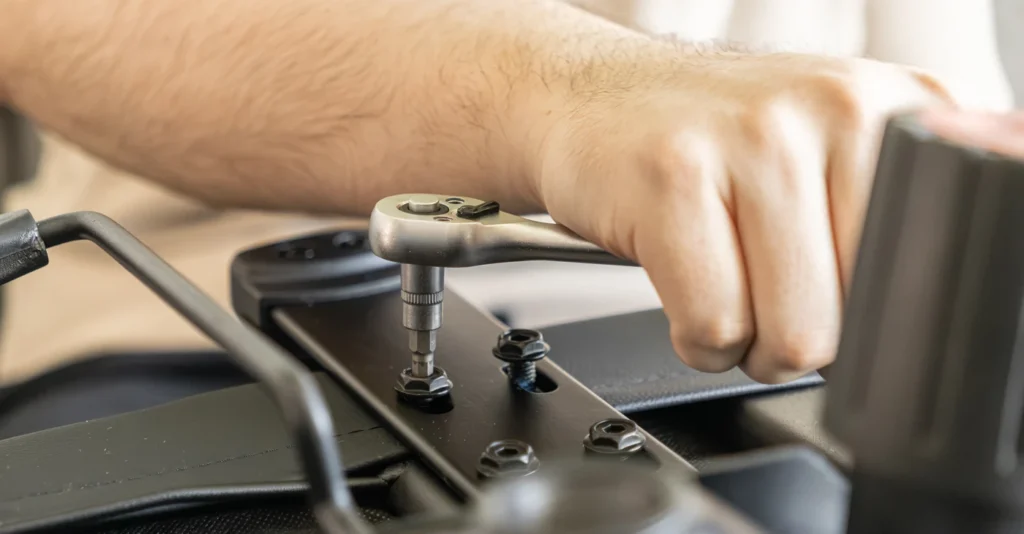
Replacing sway bar links is a fairly straightforward suspension repair when done by a professional.
- The vehicle is lifted and secured
- The worn links are removed from the sway bar and suspension
- New links are installed and tightened to spec
- The system is checked for proper movement and safety
You can take help from a professional shop offering auto repair Houston services, which can also inspect surrounding suspension parts to ensure no additional damage exists.
Get Trusted Sway Bar Link Replacement at Eric’s Car Care
Understanding bad sway bar link symptoms early can save you from costly repairs and unsafe driving conditions. Strange noises, poor handling, or excessive body roll are all warning signs that should not be ignored.
At Eric’s Car Care, drivers in Houston and West University get expert suspension diagnostics backed by over 50 years of experience, ASE-certified technicians, and a 3-year/36,000-mile warranty. Whether it’s a simple link replacement or a full suspension inspection, the goal is to keep your vehicle safe, stable, and comfortable on the road.
If your car is showing any of these signs, it’s time to have it checked before the problem gets worse.
Frequently Asked Questions
How Many Sway Bar Links Does A Car Have?
Most cars have two sway bar links in the front and two in the rear, but some vehicles only have them on one axle, depending on the suspension setup.
How Tight Should Sway Bar Links Be?
Sway bar links should be tight enough to eliminate any play, but not over-tightened. Over-tightening can damage the joint or bushings.
What Is The Purpose Of A Sway Bar Link?
A sway bar link connects the sway bar to the suspension and helps reduce body roll during turns, improving stability and control.
How Much To Replace Sway Bar Links?
Replacement usually costs around $100 to $300 per axle on most vehicles, depending on parts quality and labor rates.