
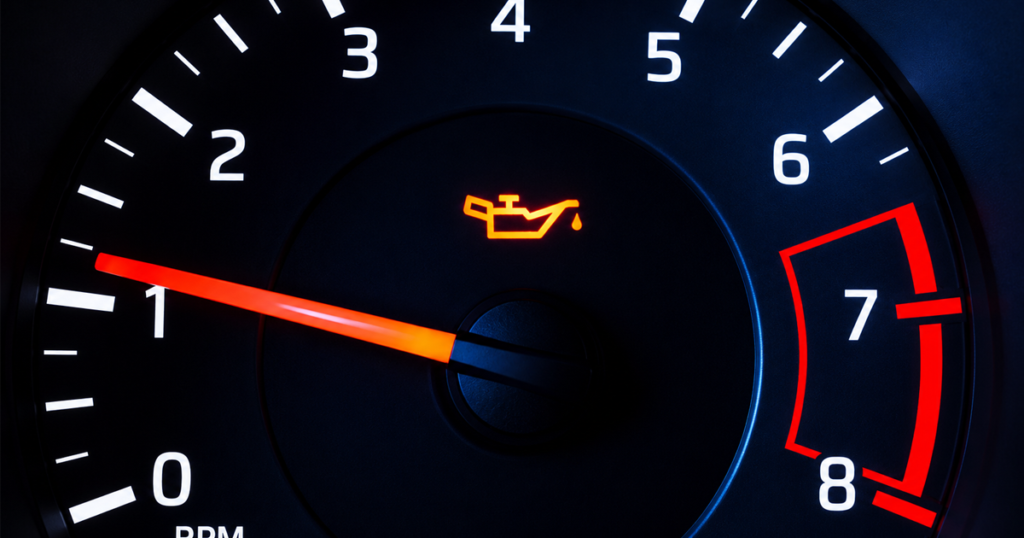
Seeing the oil pressure warning light on your dashboard can be alarming, and for good reason. This warning often signals that your engine is not getting the oil pressure it needs to keep critical components lubricated and protected. Ignoring it could lead to severe engine damage and expensive repairs.
If your vehicle is due for maintenance or you’re concerned about low oil levels, scheduling an oil change houston service is a smart first step. Understanding what this warning light means can help you act quickly and protect your engine before a minor issue turns into a major repair.
What Is the Oil Pressure Warning Light?
The oil pressure warning light is a dashboard indicator that alerts you when your engine’s oil pressure falls below a safe level. It usually appears as a red oil can symbol and should never be ignored.
Many drivers assume this light only means low oil. However, the warning often indicates a pressure problem within the lubrication system. Without proper oil pressure, oil cannot circulate through the engine effectively, causing increased friction and heat.
According to automotive experts at AA1Car, low or zero oil pressure can severely damage an engine if the vehicle continues running.
Why Is My Oil Pressure Light On?
The oil pressure warning light turns on when your vehicle detects that oil is not circulating through the engine at the proper pressure. Since engine oil lubricates moving parts, removes heat, and reduces friction, any drop in oil pressure can quickly lead to costly engine damage. While some causes are relatively simple, others may indicate a serious mechanical problem that requires immediate attention.
1. Low Engine Oil Level
Low oil is one of the most common reasons the oil pressure warning light comes on. When there isn’t enough oil in the system, the oil pump cannot maintain the pressure required to properly lubricate engine components.
Oil levels may become low because of:
- Oil leaks from seals, gaskets, or the oil pan
- Burning oil inside the engine
- Delayed oil changes
- Normal oil consumption in older vehicles
If the oil level drops too far, metal components may begin rubbing together, causing excessive wear and potential engine failure.
2. Failing Oil Pump
The oil pump is responsible for circulating oil throughout the engine. If the pump becomes worn or damaged, it may not deliver enough oil pressure to protect critical engine parts.
Common signs of a failing oil pump include:
- Oil pressure light flickering or staying on
- Ticking, knocking, or rattling engine noises
- Rising engine temperatures
- Reduced engine performance
Because the oil pump plays a vital role in lubrication, a malfunctioning pump should be diagnosed and repaired as soon as possible to avoid severe engine damage.
3. Clogged Oil Filter or Oil Passages
As oil moves through the engine, it collects dirt, carbon deposits, and other contaminants. Over time, these particles can clog the oil filter or restrict internal oil passages.
When oil flow becomes restricted, pressure may drop below safe levels, triggering the warning light. In some cases, sludge buildup can become severe enough to starve certain engine components of lubrication.
Regular oil changes and quality oil filters help keep the lubrication system clean and reduce the risk of pressure-related issues.
Read More: Signs of a Clogged Oil Filter
4. Faulty Oil Pressure Sensor
Not every oil pressure warning light points to an actual lubrication problem. Sometimes, the oil pressure sensor or sending unit fails and sends inaccurate readings to the dashboard.
A faulty sensor may cause:
- An illuminated oil pressure light
- Intermittent warning light operation
- Incorrect oil pressure readings
If the oil level is correct and the engine shows no symptoms of low oil pressure, a technician can test the sensor and wiring to determine whether the warning is genuine or sensor-related.
Read More: Oil Pressure Sensor Replacement
5. Wrong Engine Oil Viscosity
Using the wrong type of motor oil can affect how oil flows through the engine. Oil that is too thick may not circulate efficiently during cold starts, while oil that is too thin may struggle to maintain proper pressure under normal operating conditions.
This issue is more common after:
- DIY oil changes
- Incorrect oil recommendations
- Switching oil grades without manufacturer approval
Always use the viscosity grade specified in your owner’s manual to ensure proper lubrication, engine protection, and oil pressure performance.
What to Do If the Low Oil Pressure Light Comes On
If the oil pressure warning light comes on while you’re driving, don’t ignore it or assume it will go away on its own. Low oil pressure can damage critical engine components within minutes. Taking the right steps immediately can help prevent expensive repairs and keep your vehicle safe.
1. Pull Over Safely and Turn Off the Engine
As soon as the warning light appears, find a safe place to pull over and shut off the engine. Continuing to drive with low oil pressure can cause severe damage because engine parts may no longer receive adequate lubrication.
If you notice any of the following symptoms, stop driving immediately:
- Knocking or ticking noises from the engine
- Burning oil smells
- Engine overheating
- Loss of power
2. Check the Engine Oil Level
Once the vehicle has cooled for several minutes, check the oil level using the dipstick. Make sure the vehicle is parked on level ground for the most accurate reading.
If the oil level is below the recommended range:
- Add the manufacturer-recommended oil
- Recheck the dipstick
- Start the engine and monitor the warning light
If the light turns off, low oil may have been the cause. However, you’ll still need to determine why the oil level dropped in the first place.
Read
3. Look for Visible Oil Leaks
Oil leaks are a common cause of low oil pressure and low oil levels. Before driving further, inspect the area beneath your vehicle and under the hood for signs of leaking oil.
Common leak locations include:
- Valve cover gaskets
- Oil pan gasket
- Oil filter housing
- Front and rear crankshaft seals
- Drain plug area
Fresh oil spots on the driveway or a burning oil smell can also indicate a leak that requires attention.
4. Avoid Driving if the Light Stays On
If the oil level is normal but the warning light remains illuminated, do not continue driving. The problem could involve a failing oil pump, clogged oil passages, internal engine wear, or a faulty oil pressure sensor.
Driving with an unresolved oil pressure issue can lead to:
- Accelerated engine wear
- Bearing damage
- Engine overheating
- Complete engine failure
In many cases, towing the vehicle is safer and far less expensive than risking major engine repairs.
5. Schedule a Professional Diagnosis
An oil pressure warning light often requires specialized testing to identify the exact cause. A professional technician can measure actual oil pressure, inspect the lubrication system, and determine whether the issue involves low oil, a mechanical failure, or an electrical problem.
If you’re searching for an auto repair near me, choose a trusted repair shop that can diagnose oil pressure issues before they result in costly engine damage.
Is It Safe to Drive With the Oil Pressure Warning Light On?
In most cases, no. The oil pressure warning light is one of the most serious dashboard warnings. Unlike maintenance reminders, it often indicates an active problem that could damage your engine. If the light stays on, avoid driving until the issue is diagnosed.
Oil Change Light vs. Oil Pressure Light
Many drivers mistake the oil change light and the oil pressure warning light for the same thing. While both relate to your vehicle’s lubrication system, they serve very different purposes.
1. Oil Change Reminder Light
This light is a maintenance reminder based on mileage, driving habits, or a preset service interval. It simply indicates that it’s time for a routine oil change service to keep your engine running efficiently.
In most cases, your vehicle is safe to drive for a short period, although scheduling maintenance promptly is recommended.
2. Oil Pressure Warning Light
This warning indicates that your engine may not be receiving adequate oil pressure for proper lubrication. Low oil pressure can cause increased friction, overheating, and rapid wear of internal engine components.
Unlike a maintenance reminder, this warning requires immediate attention because continued driving could result in serious engine damage or complete engine failure.
Common Symptoms of Low Oil Pressure
Recognizing these symptoms early can help you avoid major engine damage and costly repairs. If you notice any of the following issues along with the warning light, schedule a professional inspection as soon as possible.
Watch for these symptoms:
- Engine knocking or ticking sounds
- Burning oil smell
- Engine overheating
- Reduced performance
- Rough engine operation
- Oil leaks under the vehicle
Oil Pressure Warning Light On? Visit Eric’s Car Care
The oil pressure warning light is one dashboard alert you should never ignore. Whether the cause is low oil, a failing pump, a clogged filter, or a faulty sensor, quick action can help prevent costly engine repairs.
If you’re in Houston or West University, Eric’s Car Care has been helping local drivers since 1970. With more than 50 years of experience, ASE-Certified technicians, and an industry-leading 3-year/36,000-mile warranty, our team can accurately diagnose and repair oil pressure problems before they turn into major engine damage. When your vehicle needs trusted care, Eric’s Car Care is ready to help keep you safely on the road.